The word “craft” appears on a growing number of gin bottles, but it is not always immediately clear what it means.
For someone looking to buy craft gin in Singapore, the term can be useful, but it should not be treated as a simple measure of quality. Craft gin can refer to a producer’s approach to making the spirit, the scale of production, the attention given to ingredients, or the way a particular gin has been developed.
Understanding what sits behind the word can make it easier to look beyond the label and understand the bottle itself.
Craft Is About More Than the Bottle
A distinctive bottle and carefully designed packaging can make a gin stand out on a shelf, but they do not necessarily explain what makes the gin a craft product.
The more useful questions are about the production itself.
Who makes the gin? Where is it produced? What botanicals are used? How is it distilled? Is the producer working in relatively small batches, or is the product manufactured on a much larger scale?
These details provide more meaningful context than the word “craft” on its own.
The Role of the Producer
One of the interesting aspects of craft gin is the relationship between the producer and the product.
Smaller producers may have more room to experiment with botanical combinations, production methods and recipes. A particular gin might be developed around a specific idea or flavour profile rather than being designed simply to fit an established category.
That does not mean every small producer follows the same approach.
Craft gin covers a broad range of producers, and their methods can differ considerably. The useful point is to look at what the individual producer is actually doing rather than making assumptions based on the word “craft.”
Botanicals Can Tell Part of the Story
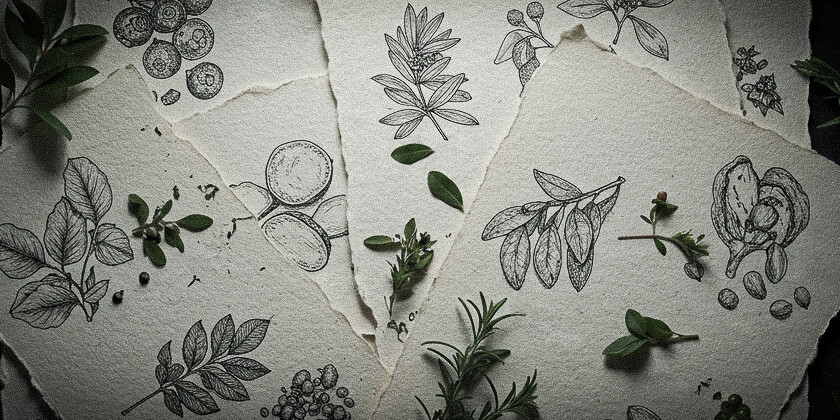
Botanicals are central to gin, and craft producers may place particular emphasis on the ingredients they select.
Juniper remains fundamental to gin, while other botanicals can contribute citrus, spice, herbs and different aromatic characteristics.
Some producers provide detailed information about their botanical selection. Others may keep certain aspects of their recipe private.
When exploring a craft gin, the botanical description can therefore be a useful starting point. It can give you an idea of the direction of the spirit and help explain why one bottle may taste quite different from another.
But a list of botanicals should not be viewed as a complete description of flavour. The production process and proportions also influence the final result.
Production Method Matters
Distillation is another part of the story.
Different producers can approach distillation in different ways, and the equipment, process and recipe can all contribute to the character of the finished gin.
For someone unfamiliar with gin production, technical descriptions can sometimes feel complicated. There is no need to understand every detail before buying a bottle.
Instead, look for clear information about how the gin is produced and what the producer considers important about the process.
That can tell you considerably more than a general marketing phrase.
Does Small-Batch Gin Always Mean Better?
Not necessarily.
Small-batch production can allow a producer to work closely with individual recipes and production runs, but scale alone does not determine whether a gin will suit your taste.
A larger producer may have extensive experience and carefully controlled production, while a smaller producer may take a more experimental approach.
The important distinction is that craft does not automatically mean better. It describes an approach or set of characteristics that may appeal to people interested in the story and production behind a spirit.
Taste remains personal.
Look for Specific Information
When shopping for craft gin in Singapore, it can be useful to look past broad descriptions and search for specific details.
Information about the producer, country of production, gin style, botanicals, alcohol strength and recommended serves can all help build a clearer picture.
If a producer explains why particular ingredients were selected or describes how the gin is made, that information can be more useful than a collection of general words such as “premium,” “luxury” or “handcrafted.”
The more you understand about the bottle, the easier it becomes to decide whether it matches your preferences.
Craft Gin Can Be About Experimentation
One of the reasons people are drawn to craft gin is the variety of approaches available.
Producers can experiment with different botanicals, flavour combinations and production techniques. This can result in gins that feel quite different from one another even when they share the same broad category.
For someone who already enjoys gin, this variety can make craft gin particularly interesting.
Instead of buying the same style repeatedly, you can explore bottles from different producers and compare how they approach the spirit.
Consider How You Intend to Drink It
The way you plan to serve the gin should also influence your choice.
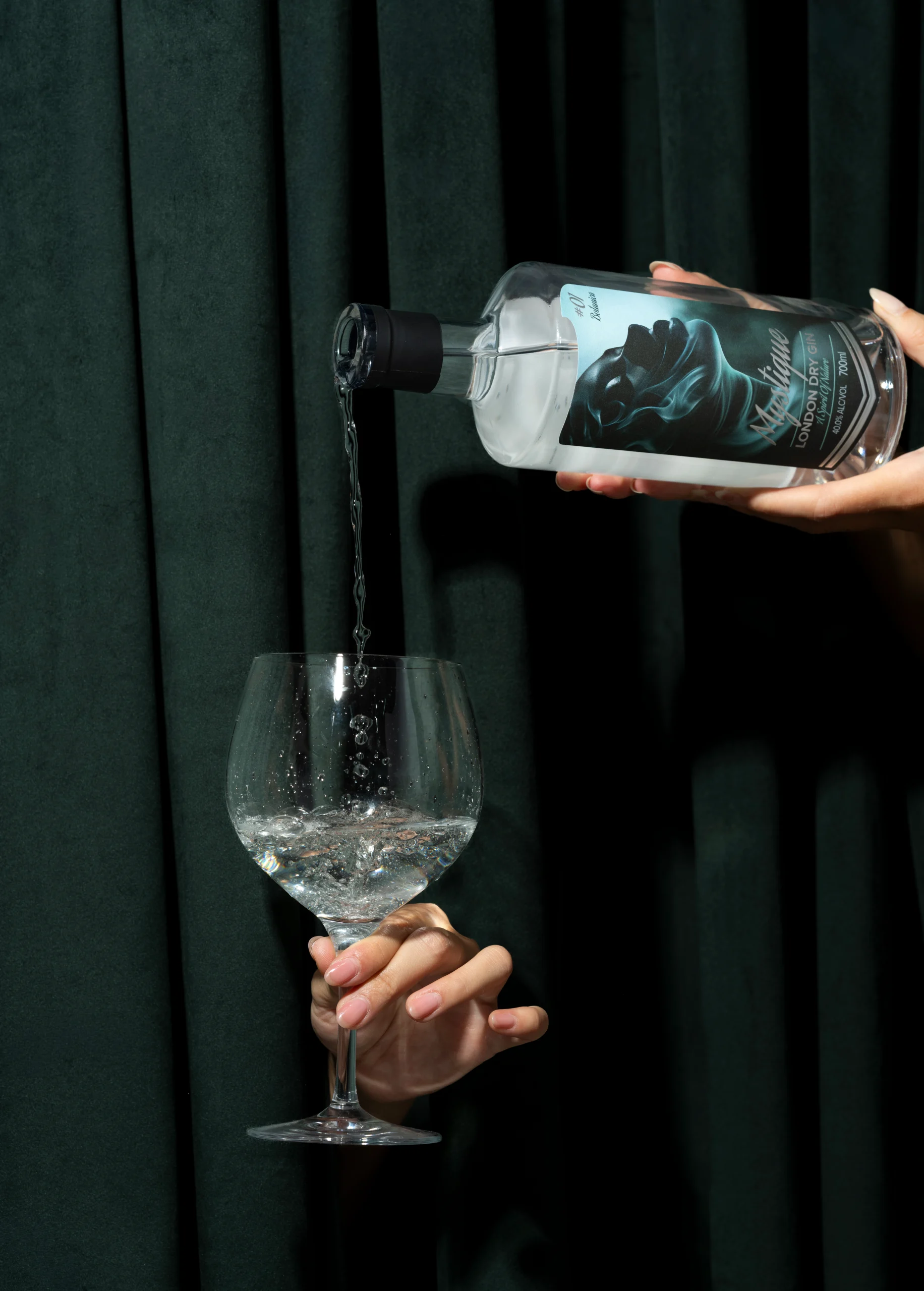
Some craft gins may be particularly interesting when tasted on their own, while others may work naturally in a gin and tonic or cocktail.
If you prefer a simple gin and tonic, consider how the botanical character might interact with the tonic you normally drink. If cocktails are your preference, look at whether the producer recommends particular serves.
There is no single correct way to enjoy craft gin.
The point is to understand the bottle well enough to find a serving style that suits it and suits you.
Craft Gin and the Importance of Origin
Origin can add another layer to understanding a craft gin.
Different producers work within different local environments and traditions. Ingredients, production facilities and the producer’s own background can all influence how a gin is developed.
For Singapore consumers, this means the craft gin category can open the door to spirits produced in different parts of the world.
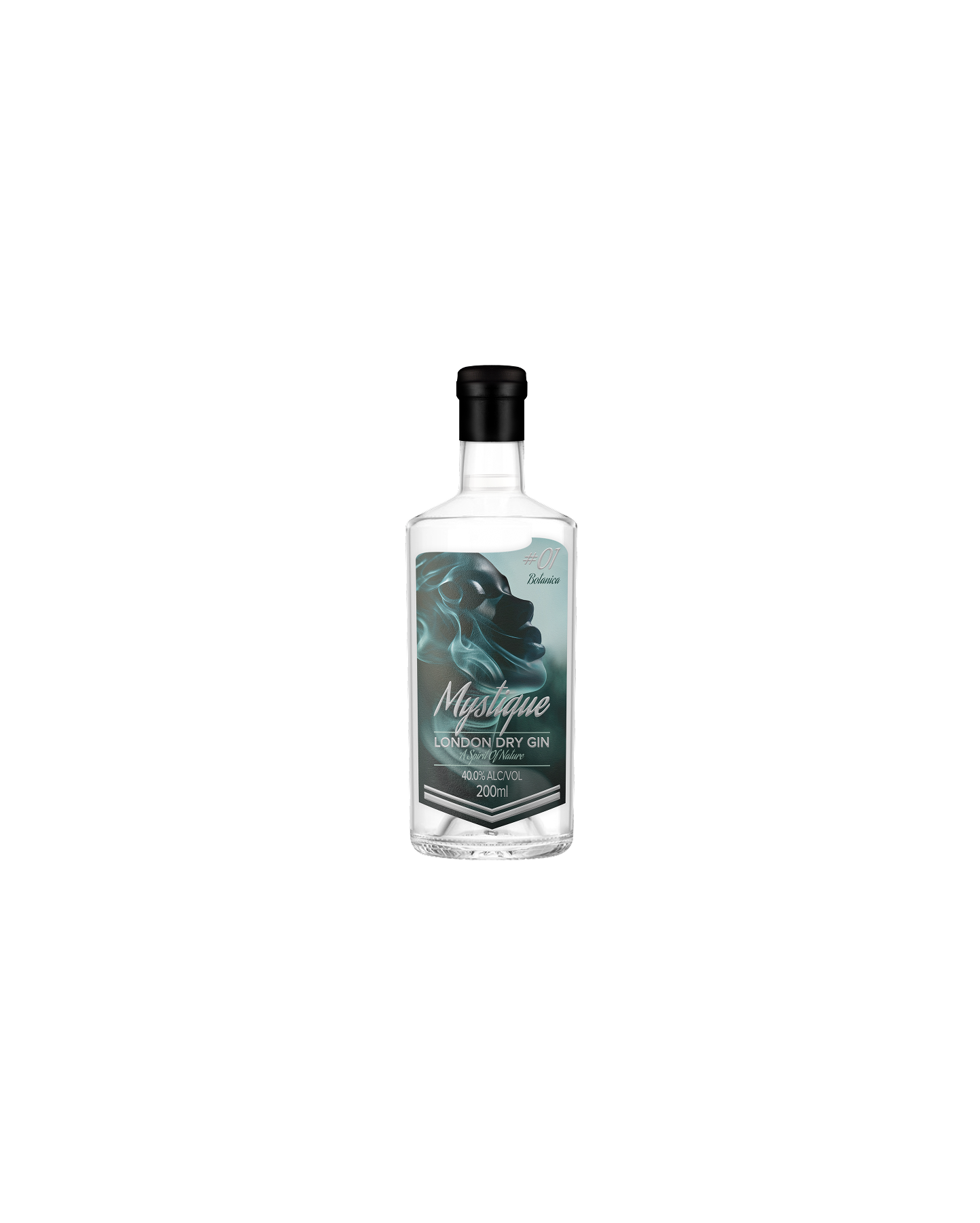
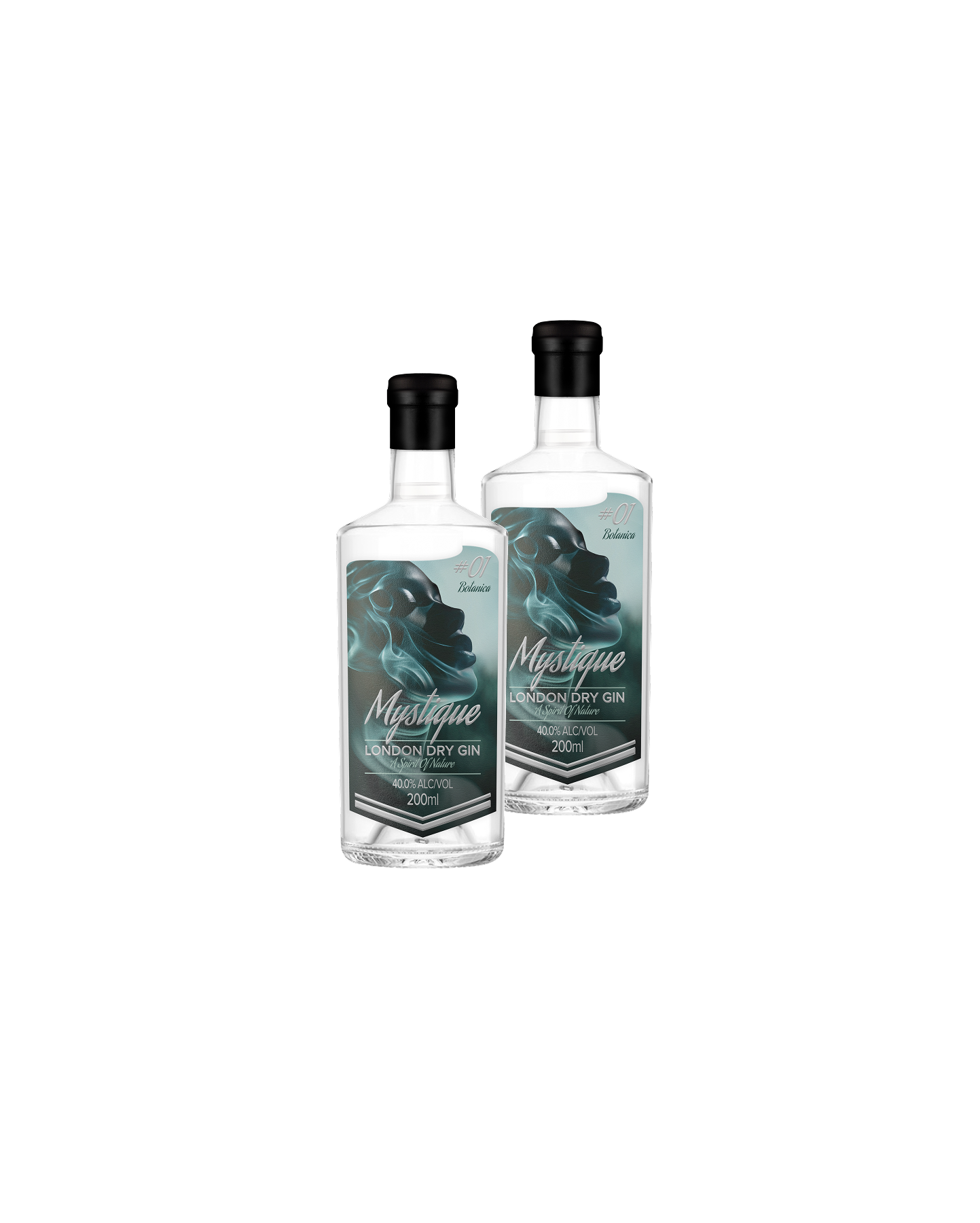
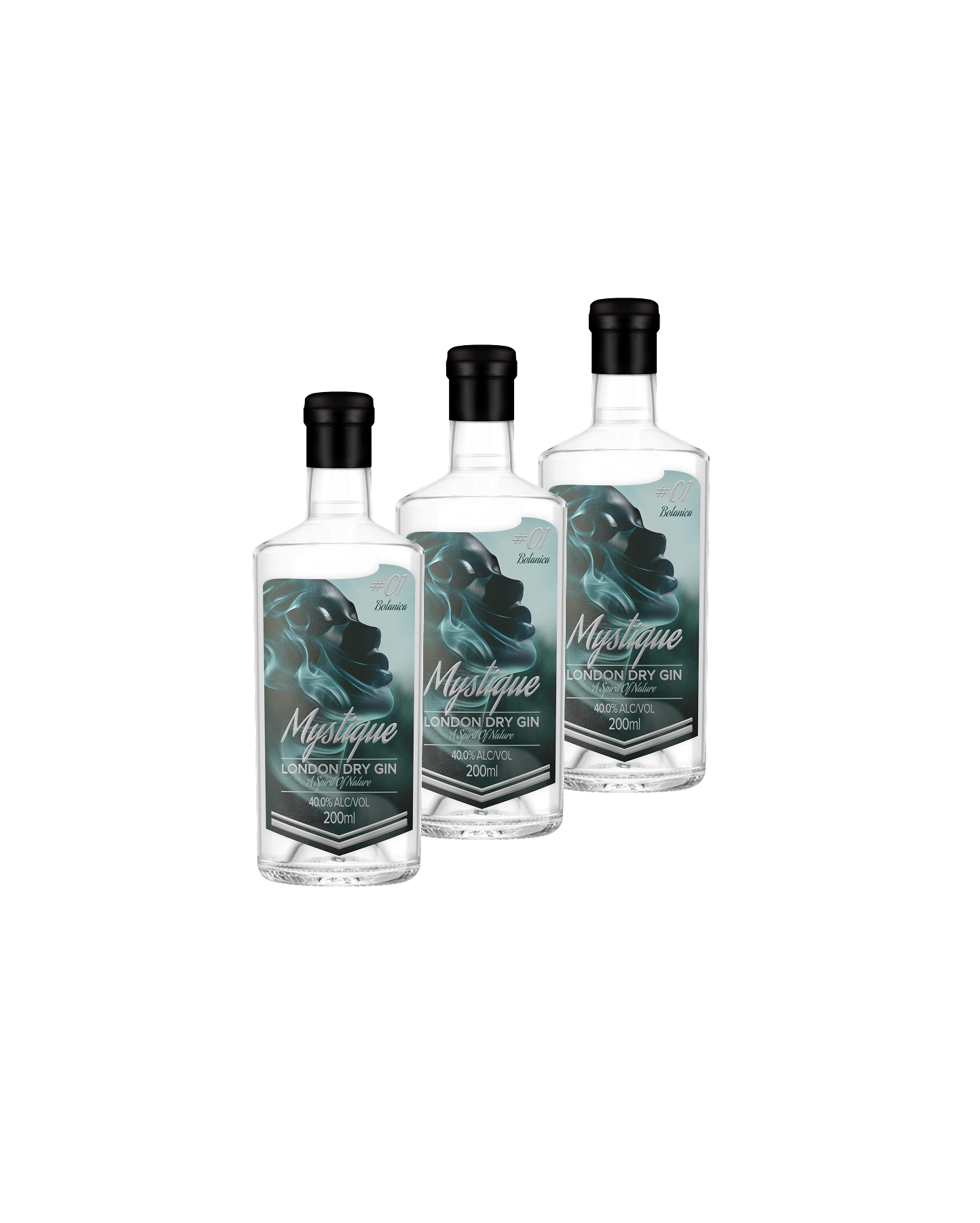
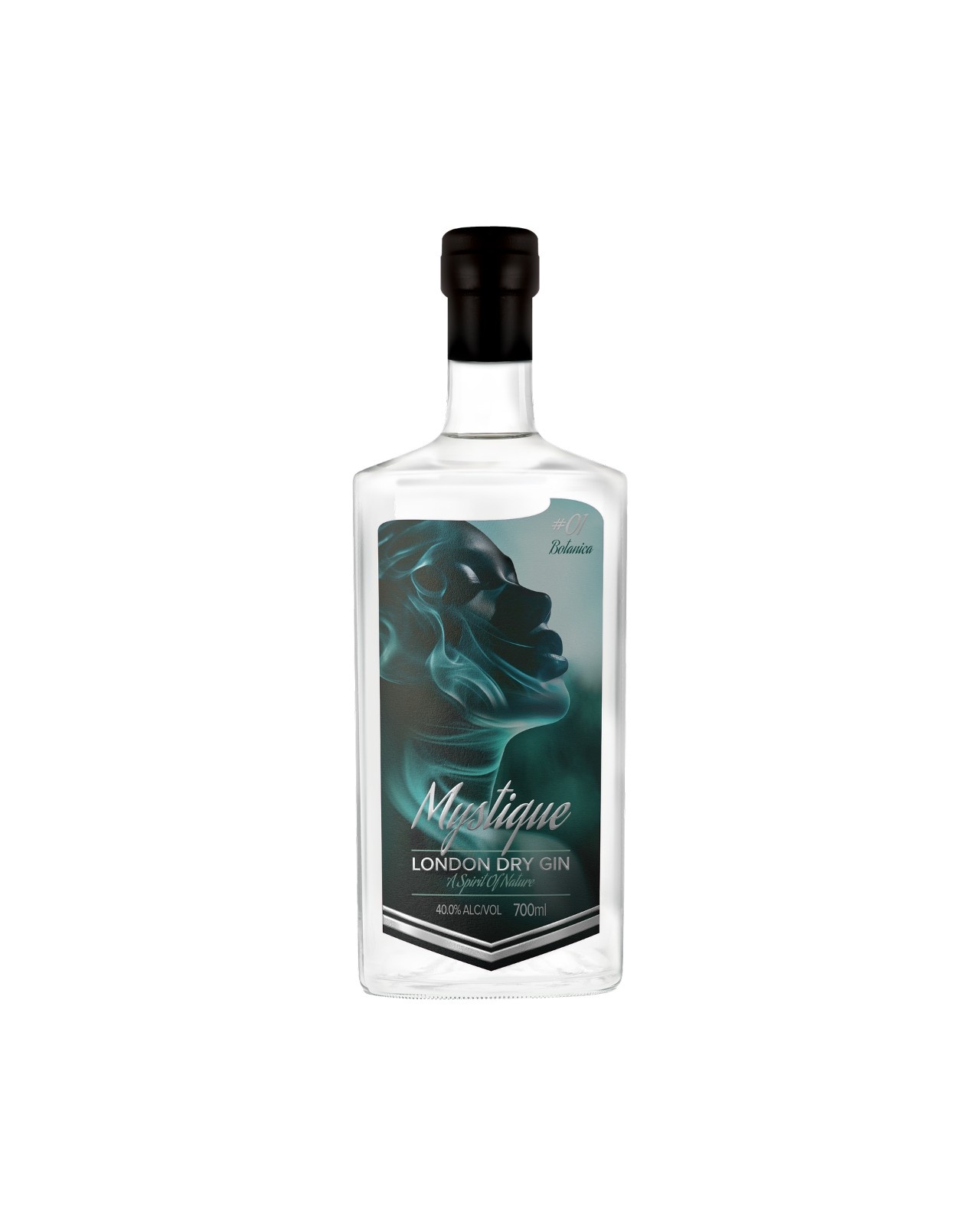
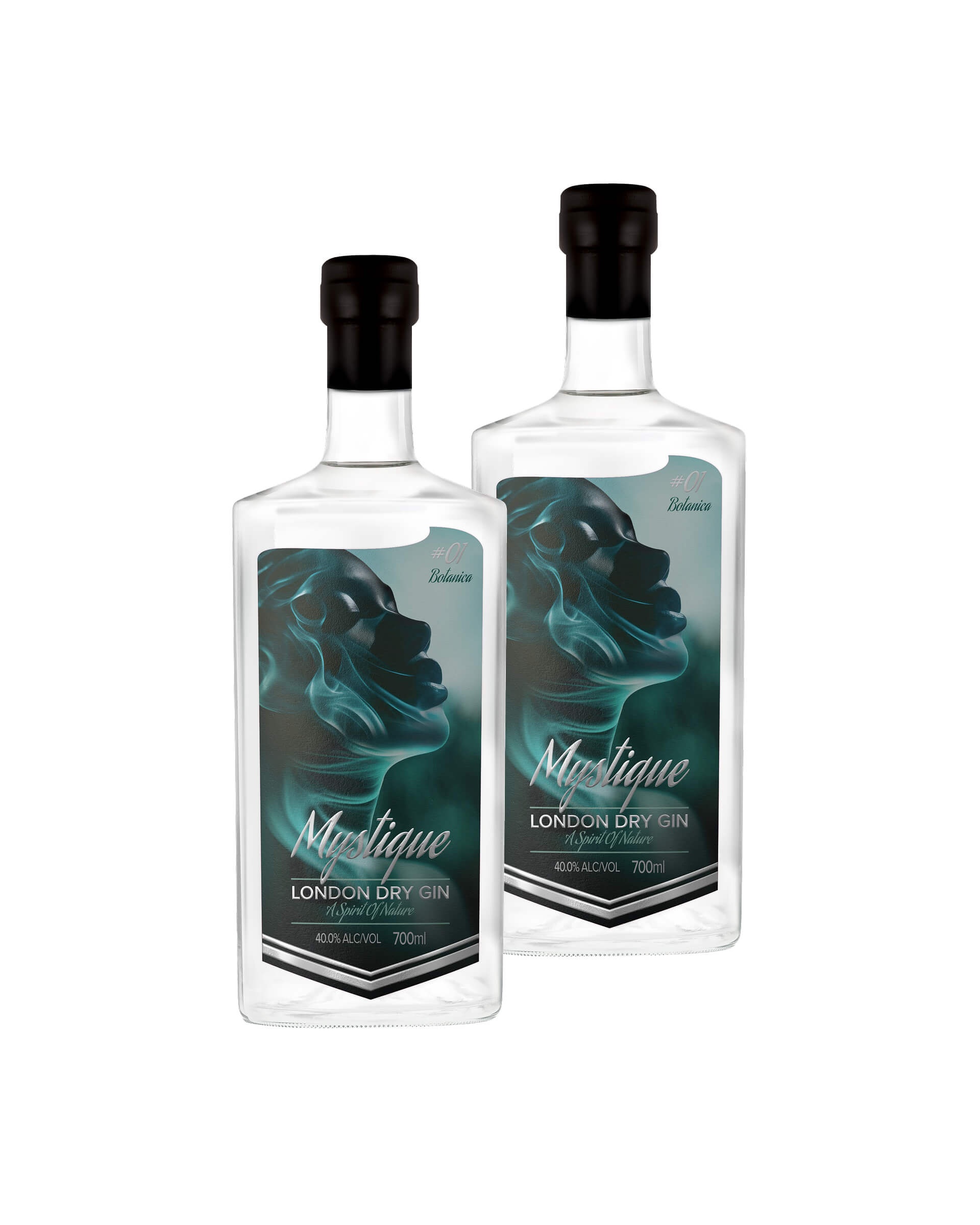
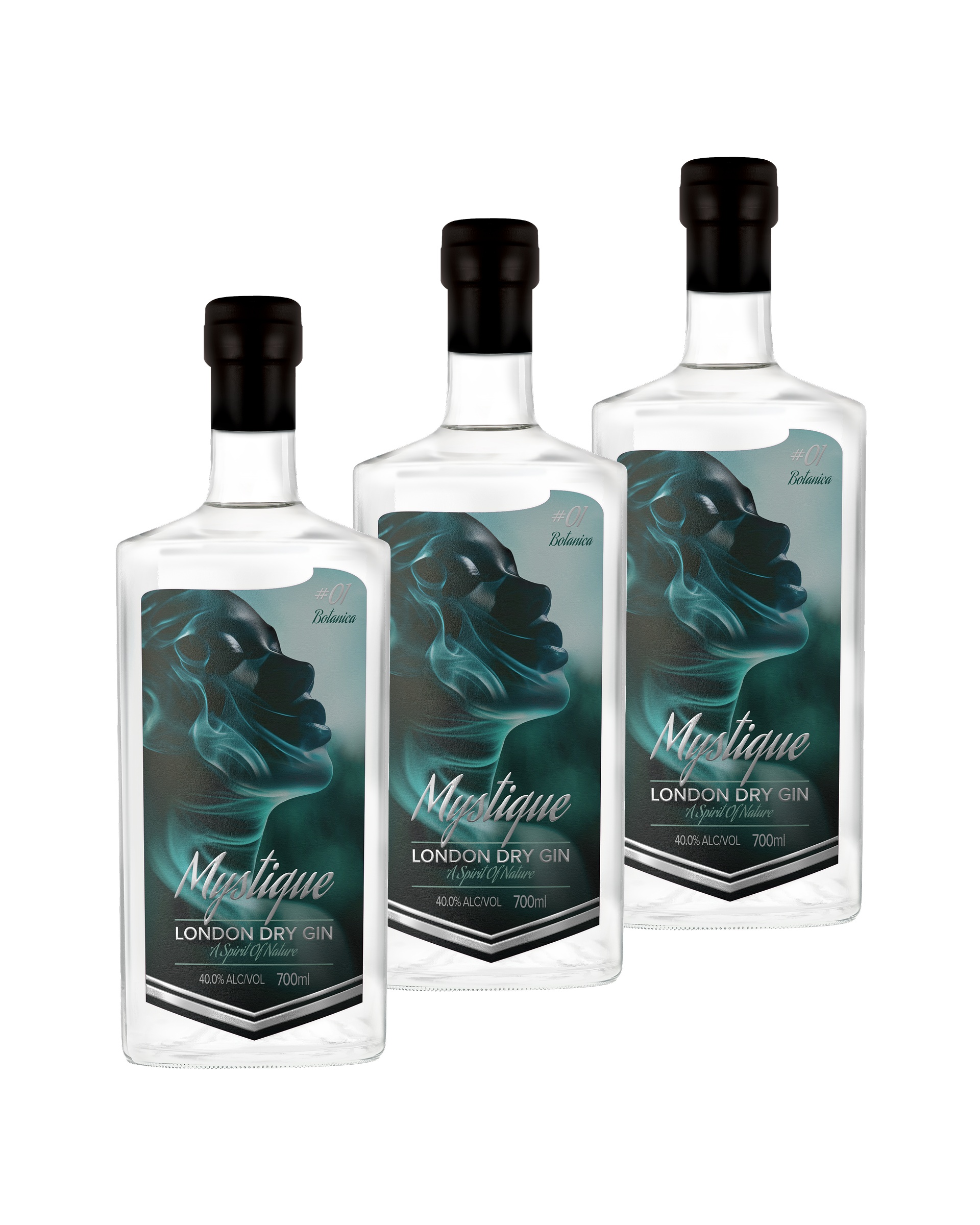
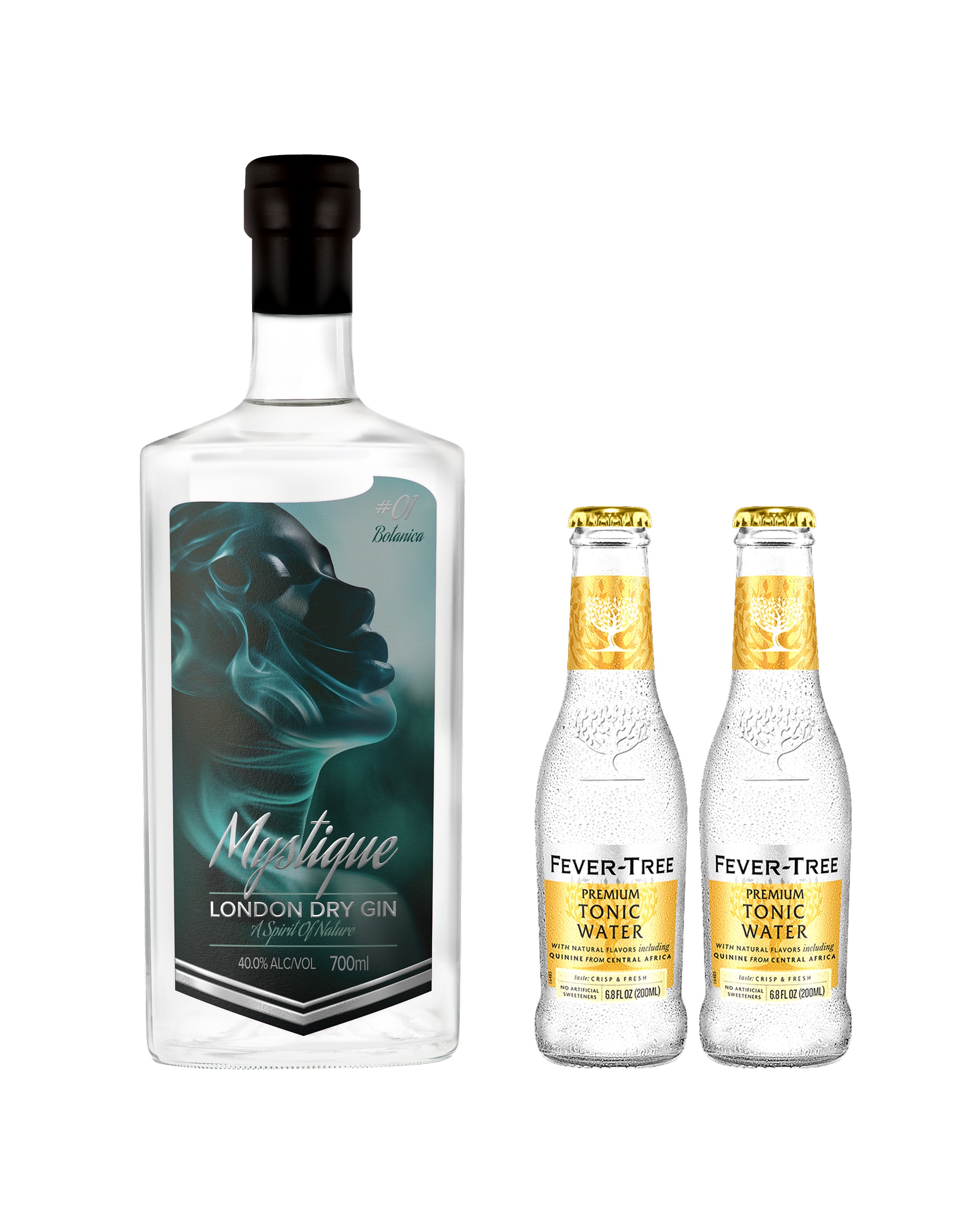
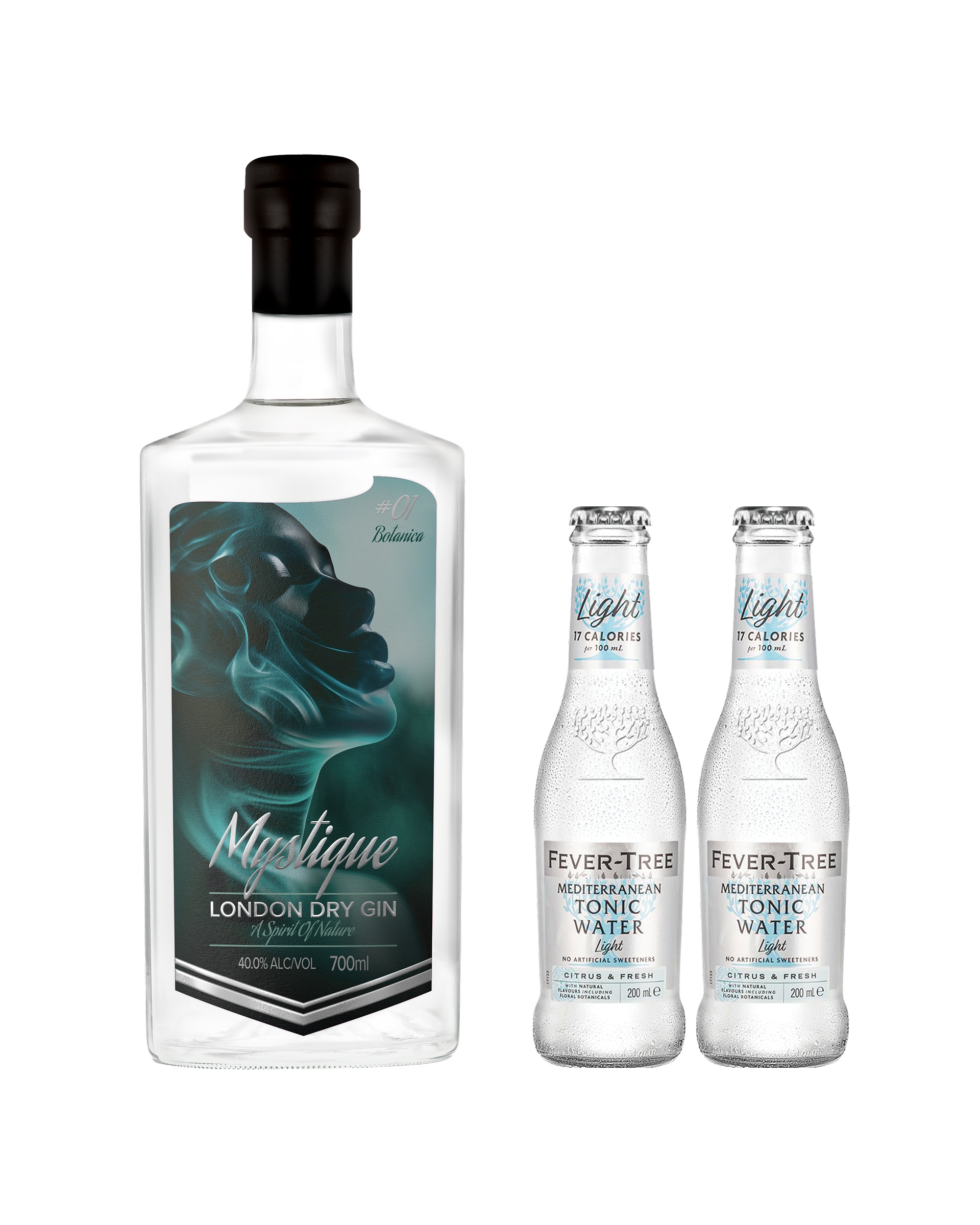
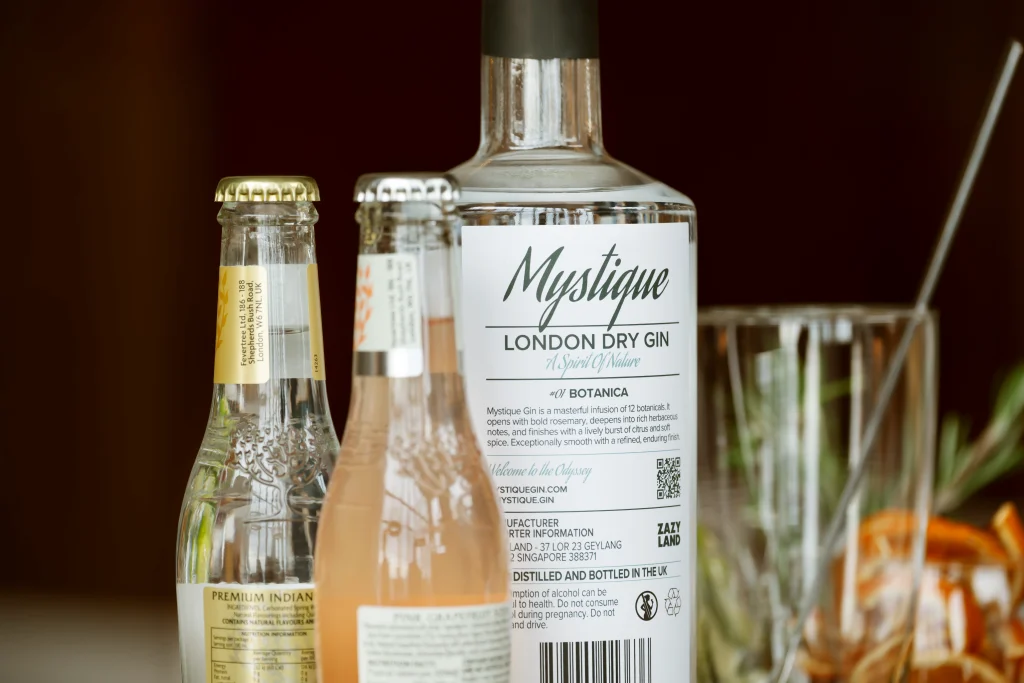
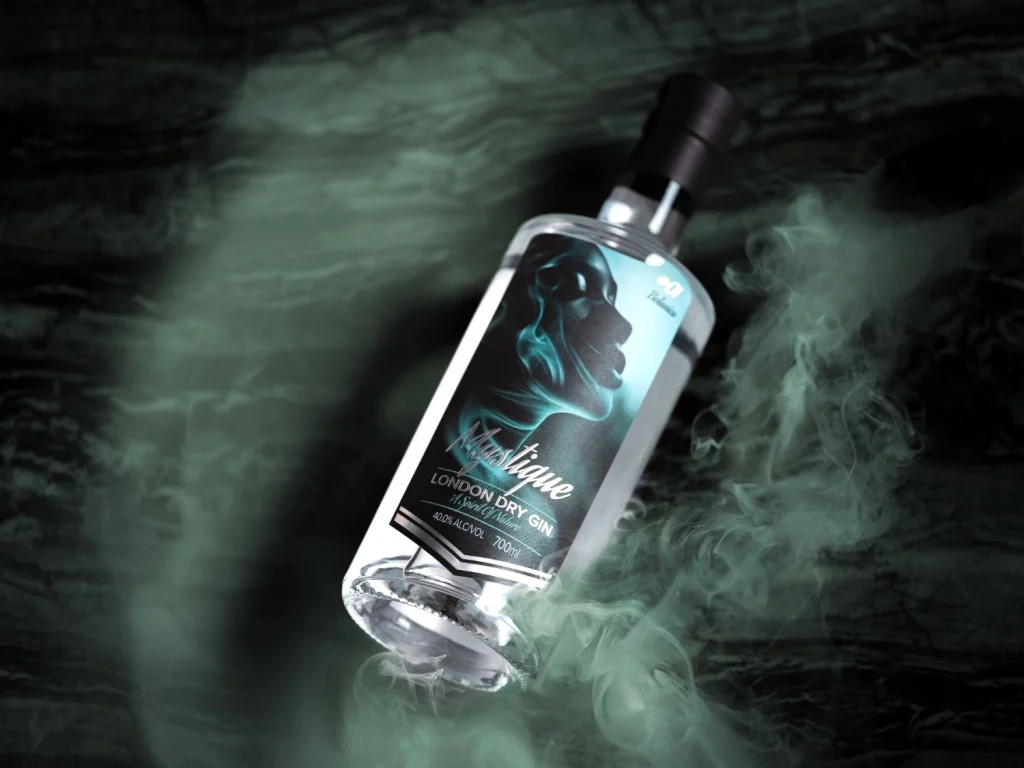
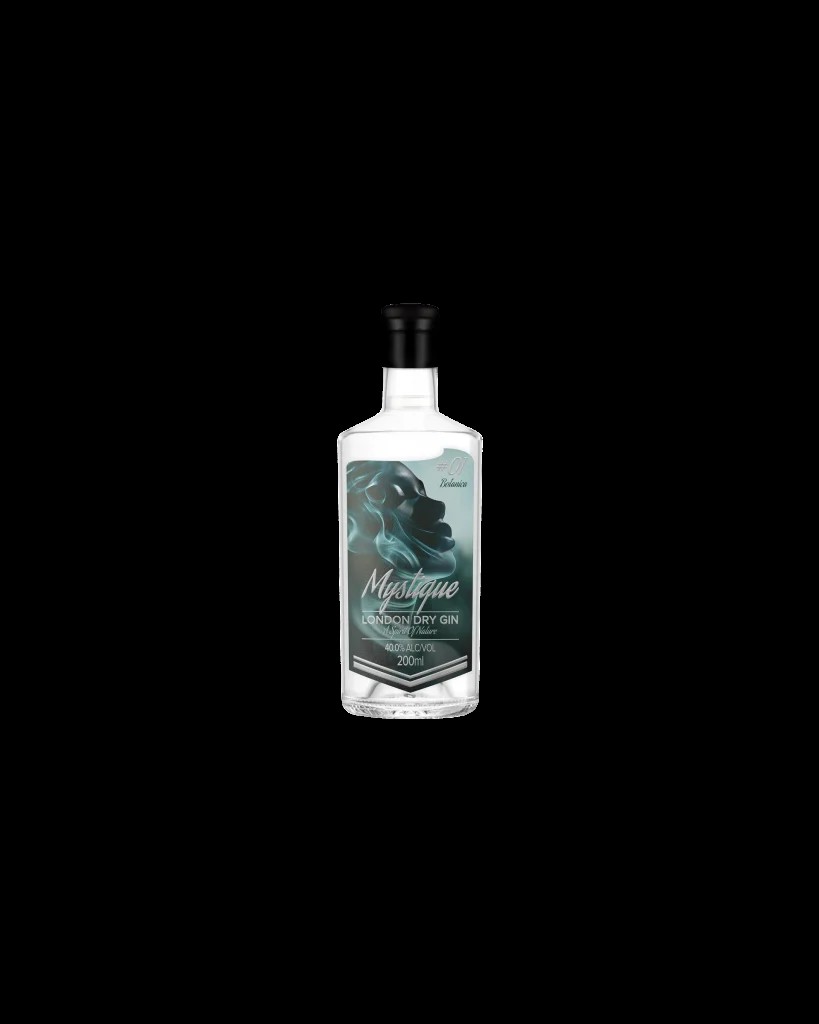
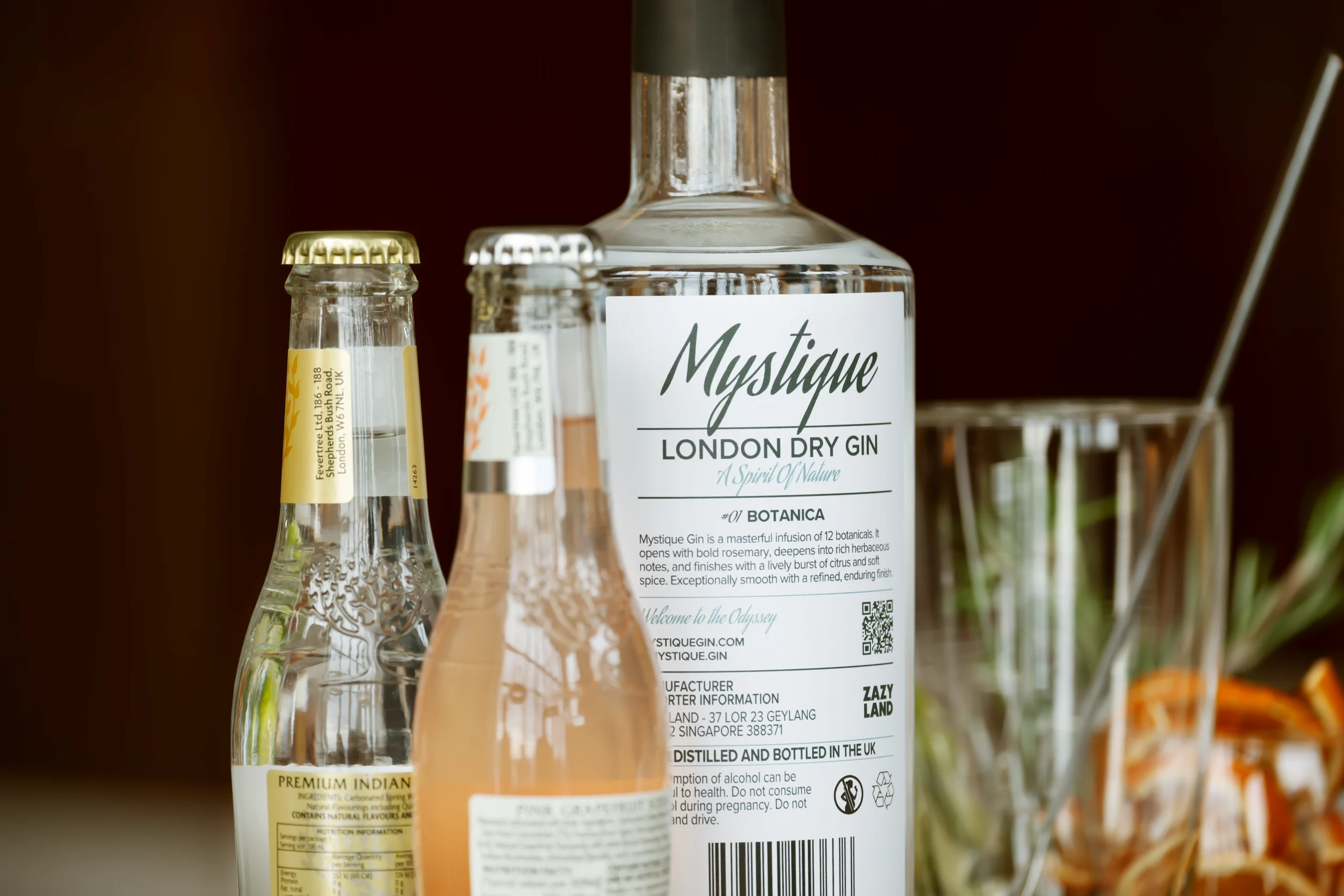
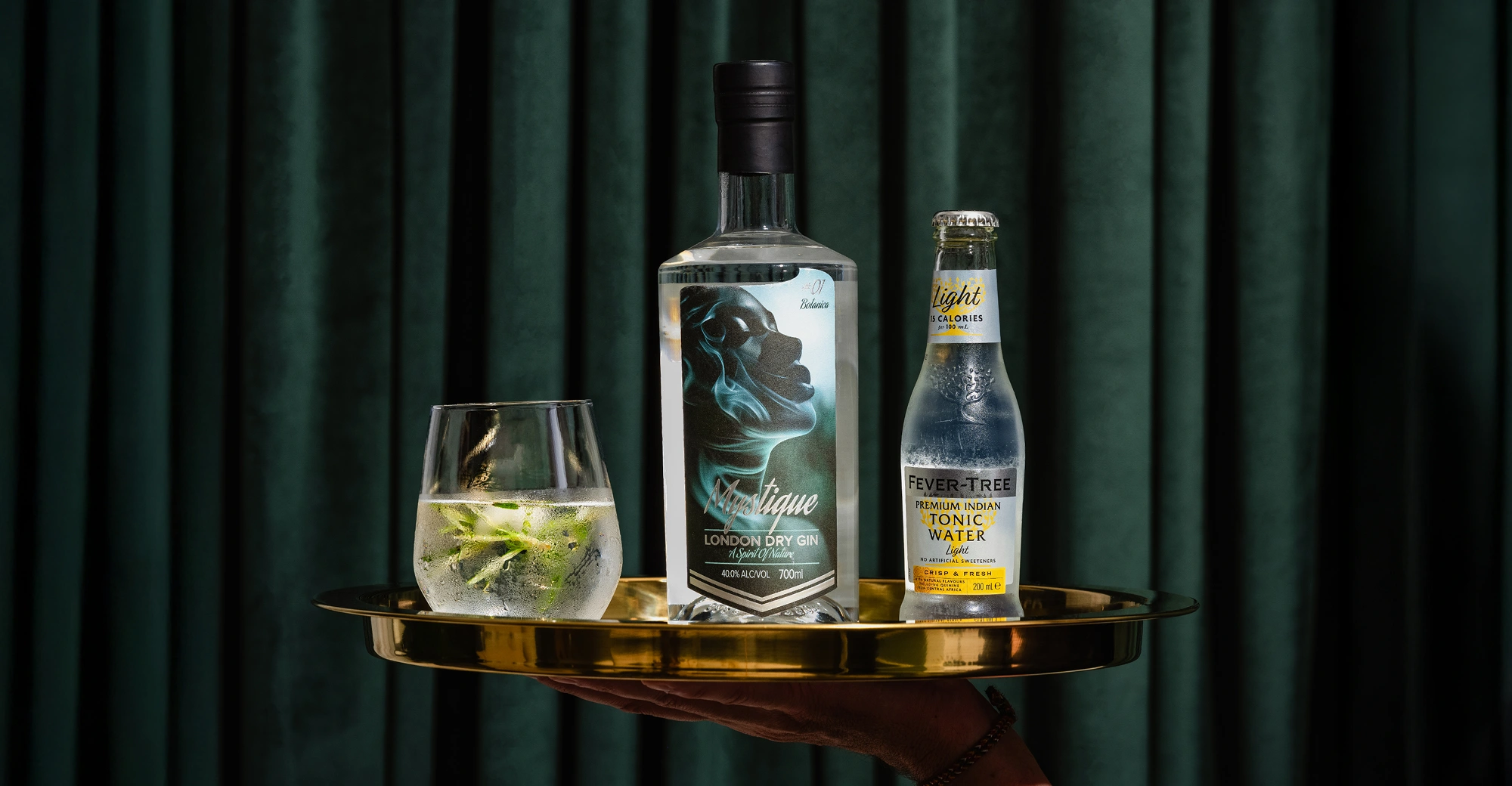
Mystique Gin, for example, is made in the United Kingdom. Its origin is one part of understanding the product, alongside its style, production and botanical character.
Origin should provide context rather than being treated as a guarantee of quality.
Buying Craft Gin Online in Singapore
When you buy craft gin online in Singapore, you do not have the same opportunity to examine the bottle physically before making a purchase.
That makes the product information particularly important.
Look for details about the gin style, producer, country of production, ABV, botanicals and suggested serves. If the website provides information about the production process, that can also help you understand what distinguishes the bottle.
Reviews and recommendations can be useful, but your own preferences should remain the starting point.
A gin that one person describes enthusiastically may not necessarily suit another person’s taste.
What “Craft” Should Mean to the Buyer
The most useful way to approach the word “craft” is with curiosity rather than expectation.
Ask what the producer means by it.
Look at how the gin is made, what ingredients are used and what the producer is trying to achieve. Consider whether those characteristics appeal to you and whether the gin fits the way you normally enjoy the spirit.
That approach is more informative than assuming that “craft” automatically means superior.
For people looking to buy craft gin in Singapore, the category offers an opportunity to explore different producers, production methods and flavour profiles. The enjoyment comes not simply from the label, but from understanding what is behind it.
Ultimately, craft gin is best appreciated one bottle at a time. Read the information, understand the producer’s approach, try the gin in a way that suits you, and allow your own taste to determine what you return to.
Curious to explore? Discover Mystique Gin, made in the United Kingdom, and see what goes into the bottle.
Frequently Asked Questions
What is craft gin?
There is no single legal definition of craft gin. The term usually describes gin from smaller or independent producers who emphasise hands-on production, botanical choices and experimentation, so it is worth checking what each producer means by it.
Is craft gin better than regular gin?
Not automatically. Craft can mean more distinctive botanical choices, but quality and taste depend on the producer and the individual gin. Personal preference matters more than the word on the label.
What does small-batch gin mean?
Small-batch generally means the gin is distilled in limited quantities at a time, often in smaller stills. Like “craft”, the term is not strictly regulated, so look for specific production details from the producer.