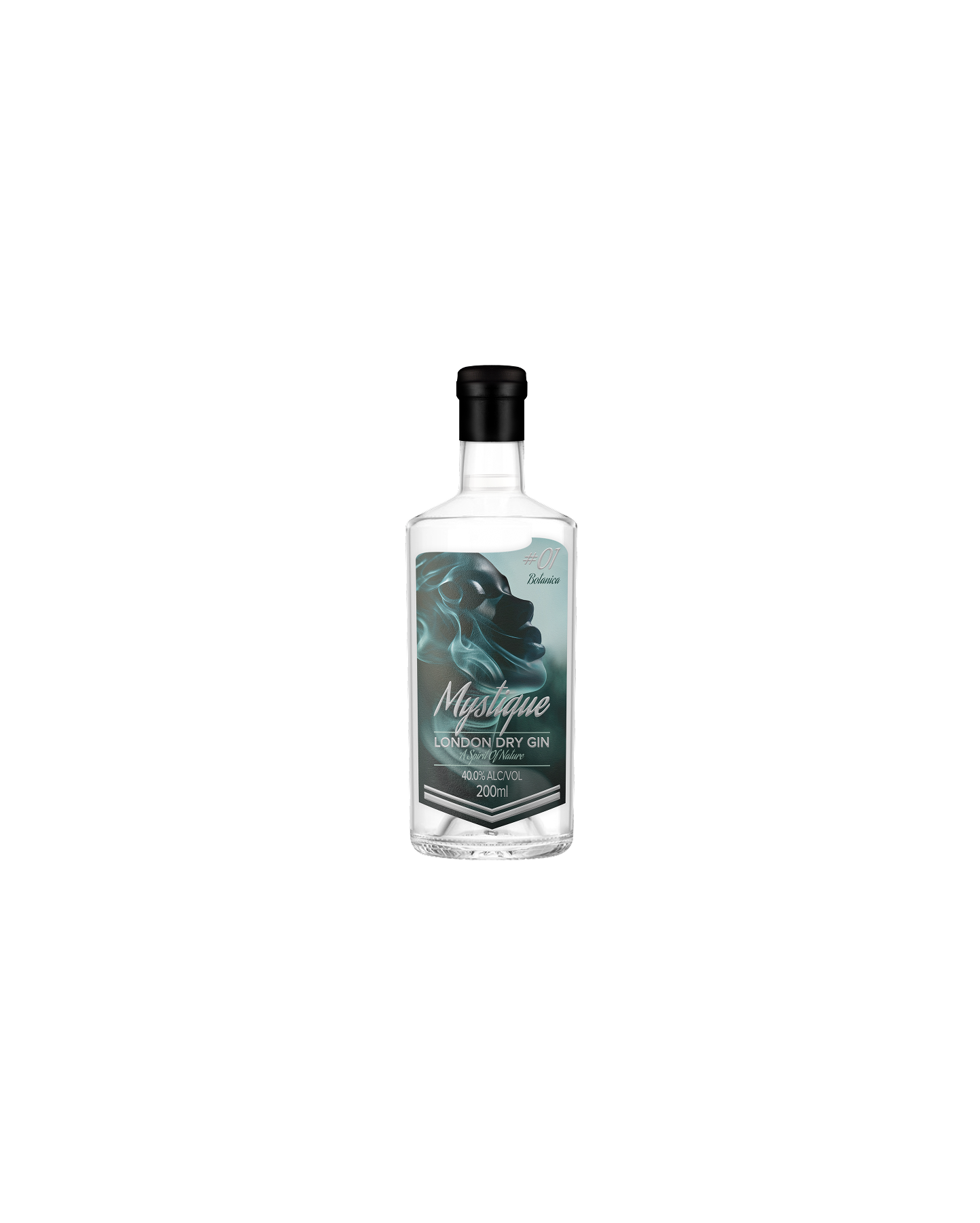
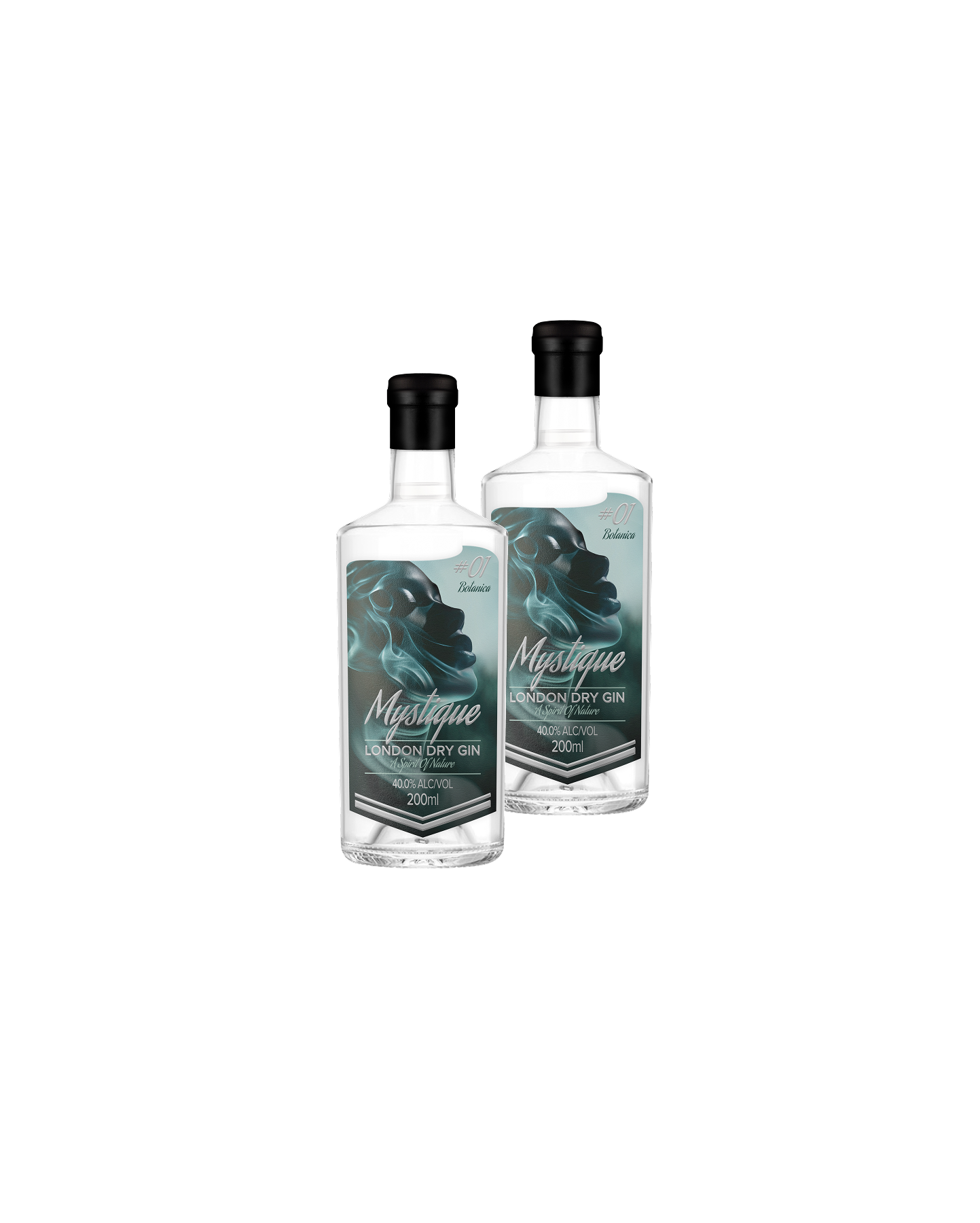
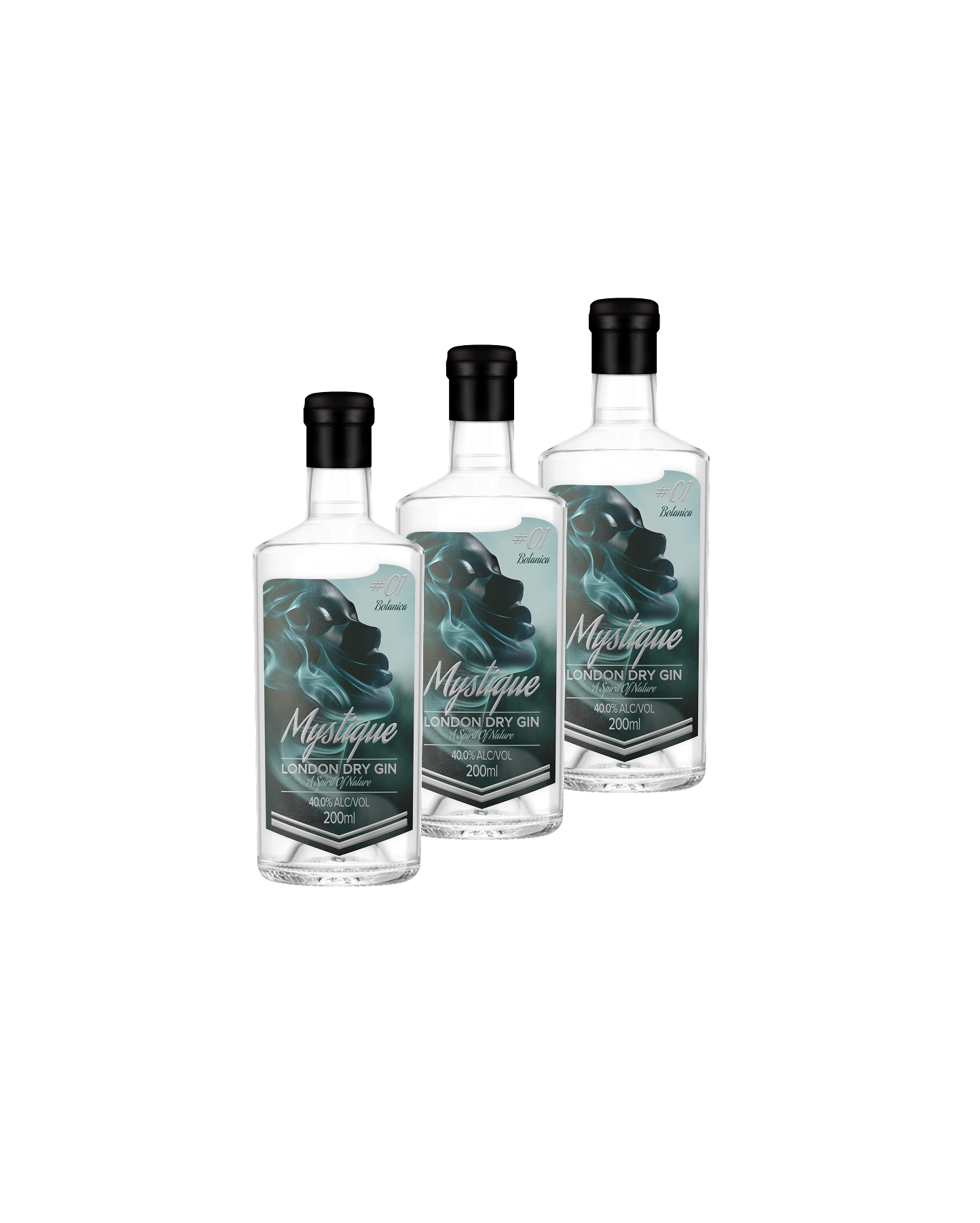
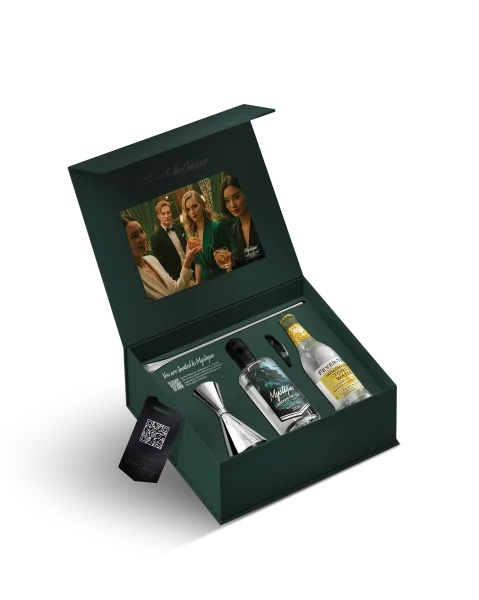
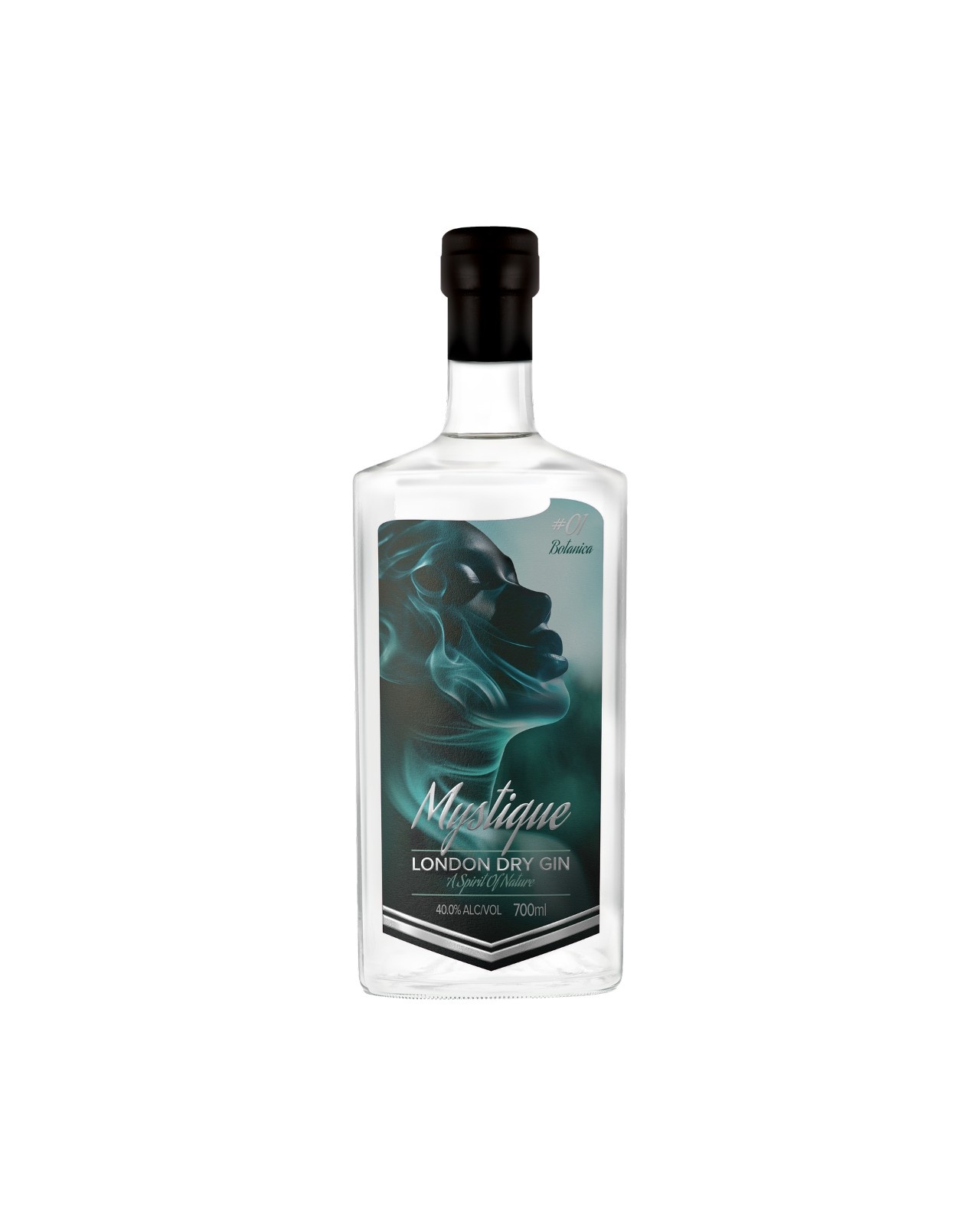
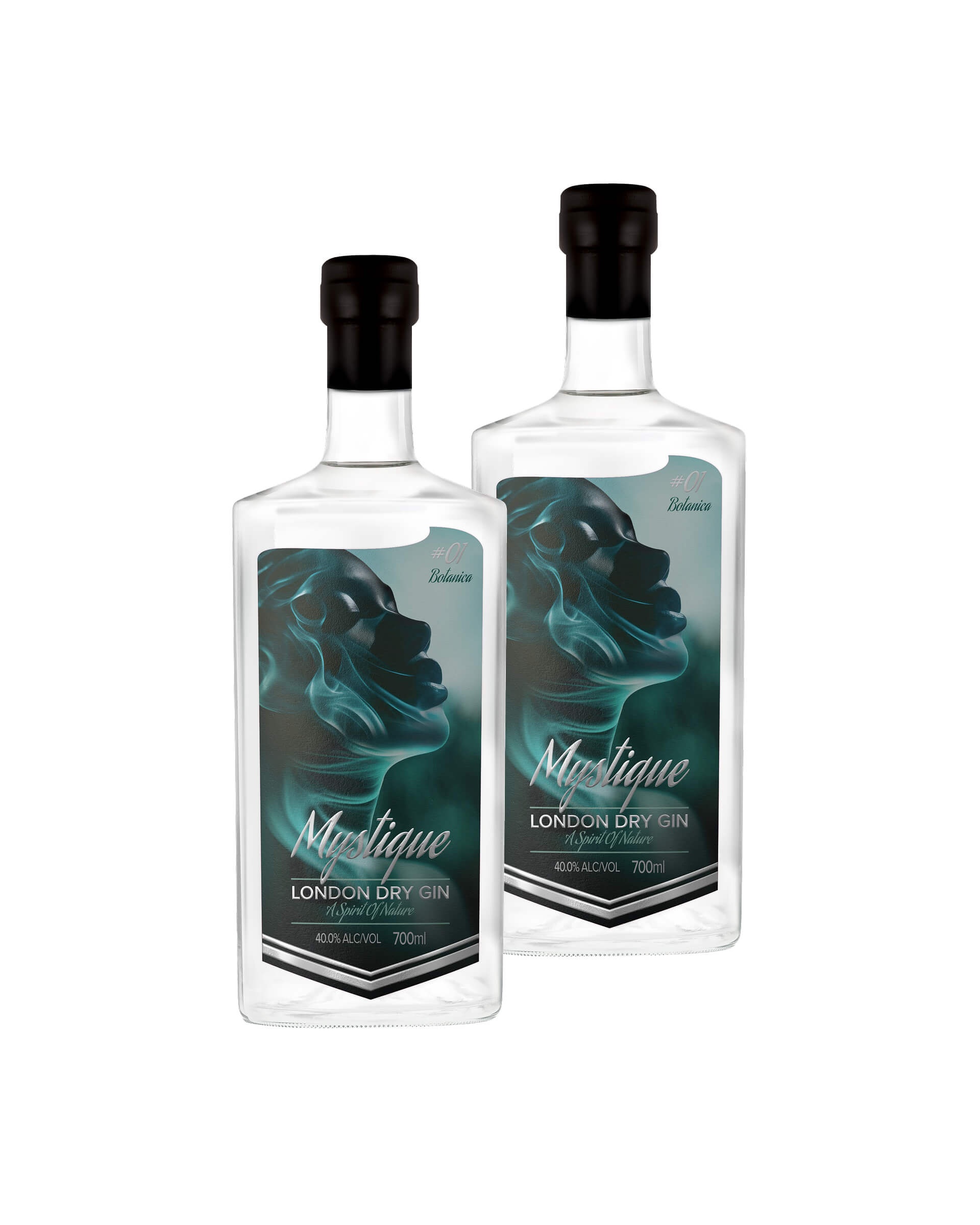
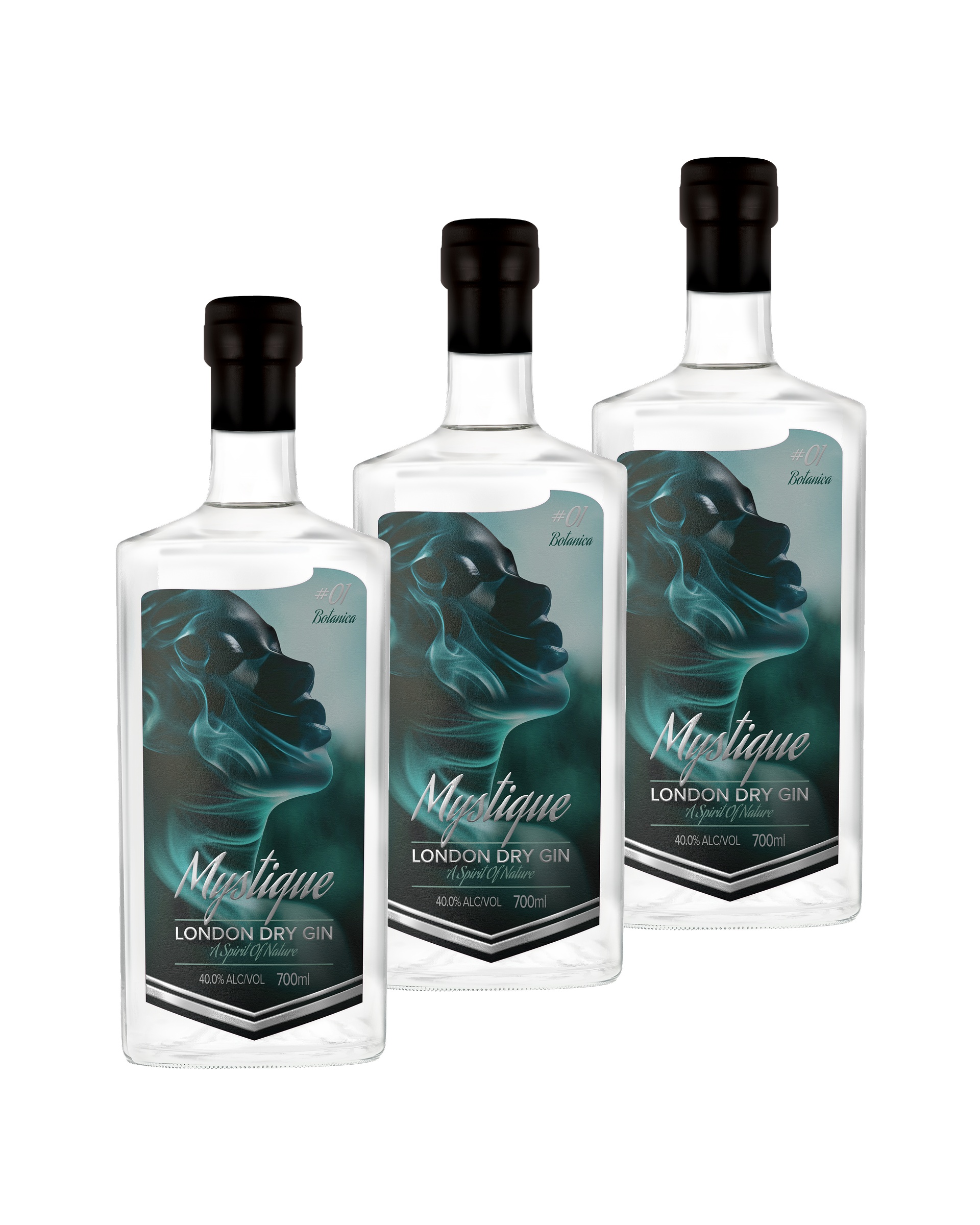
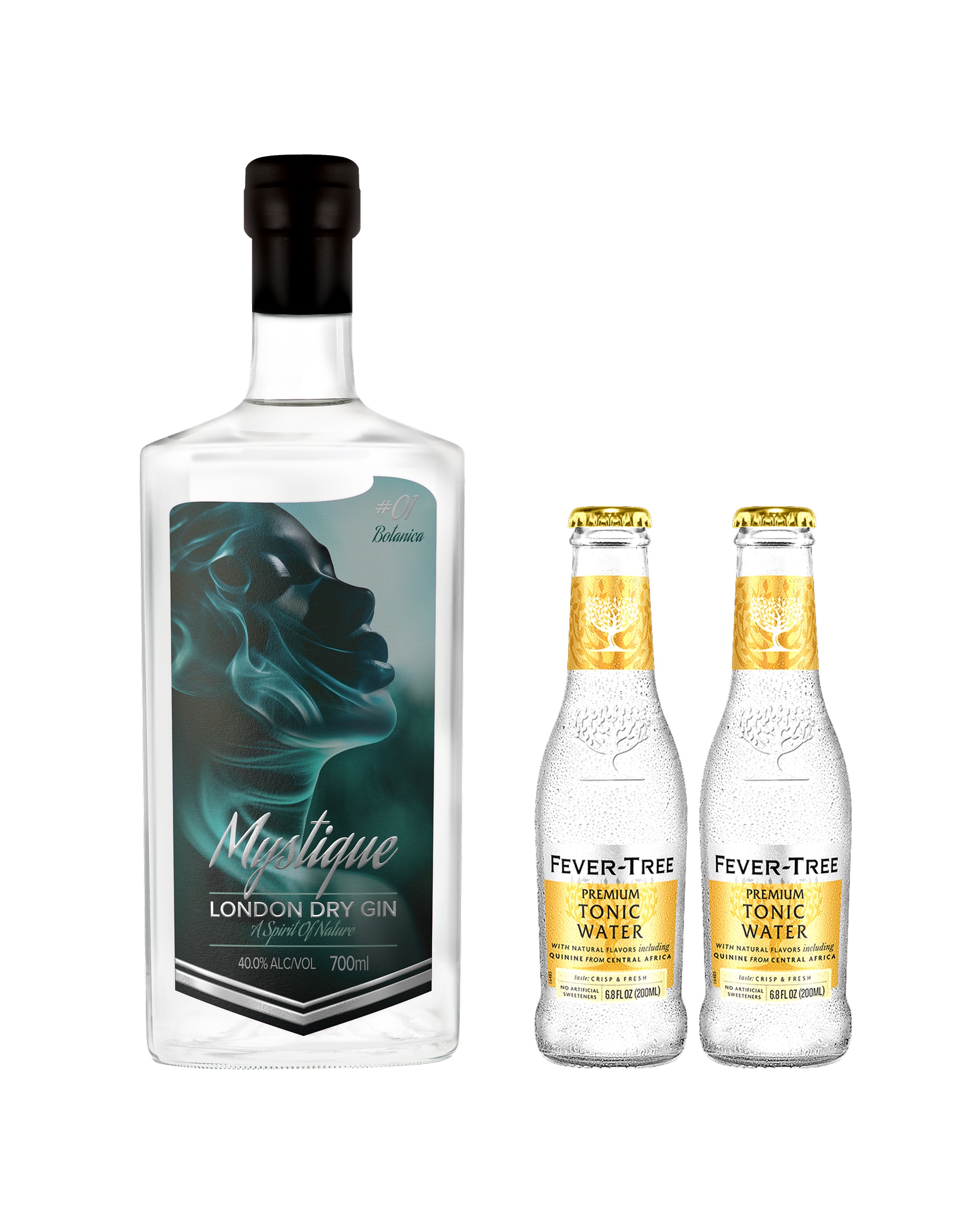
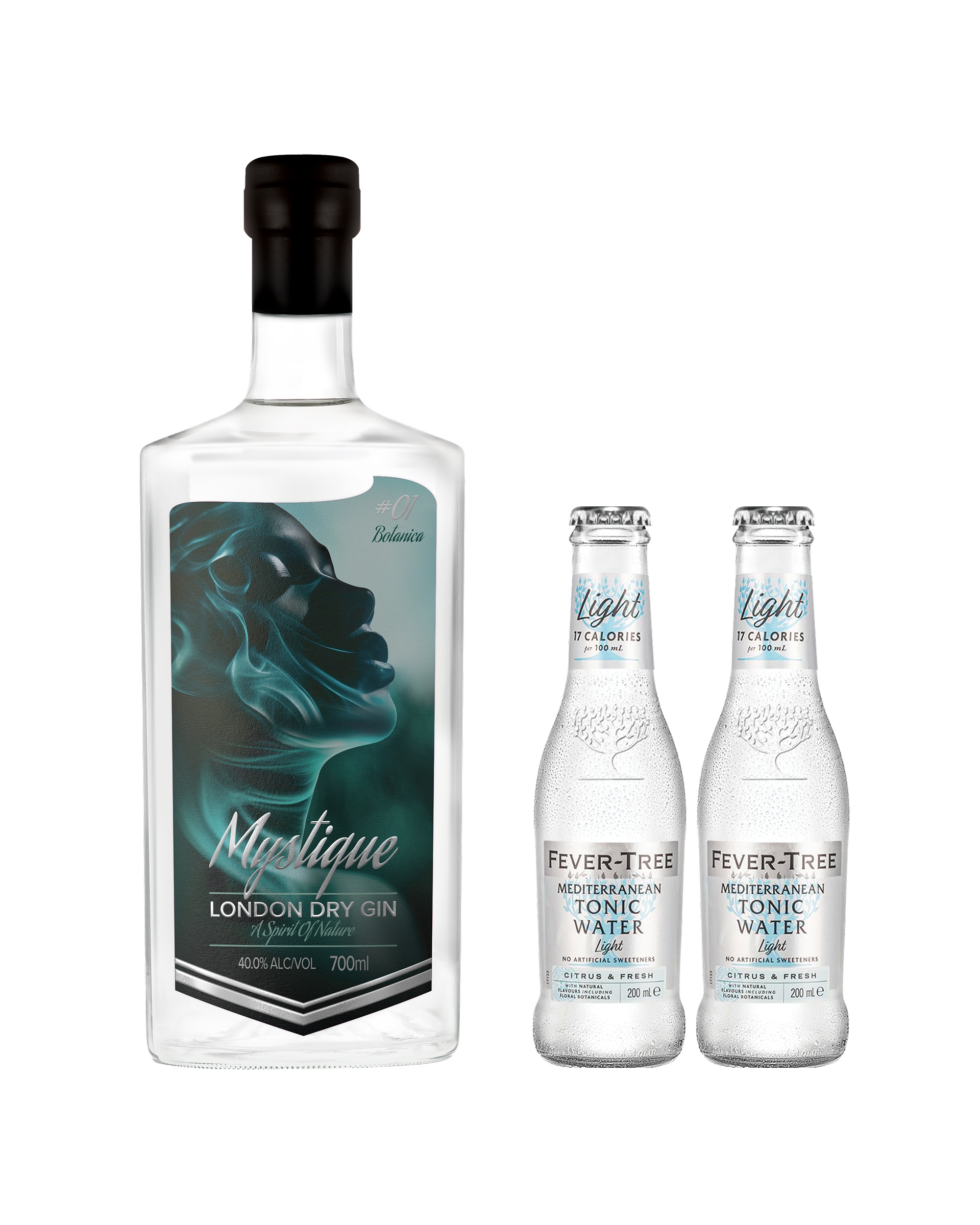
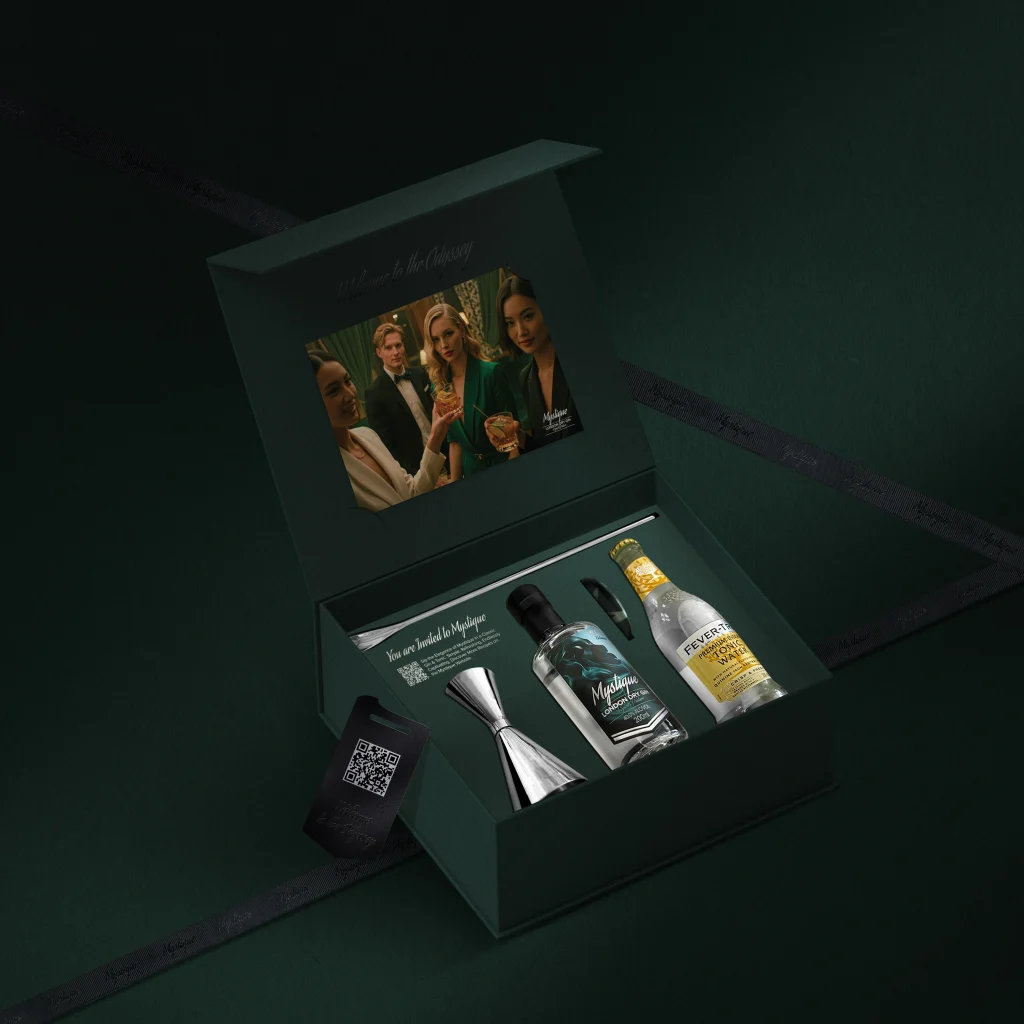
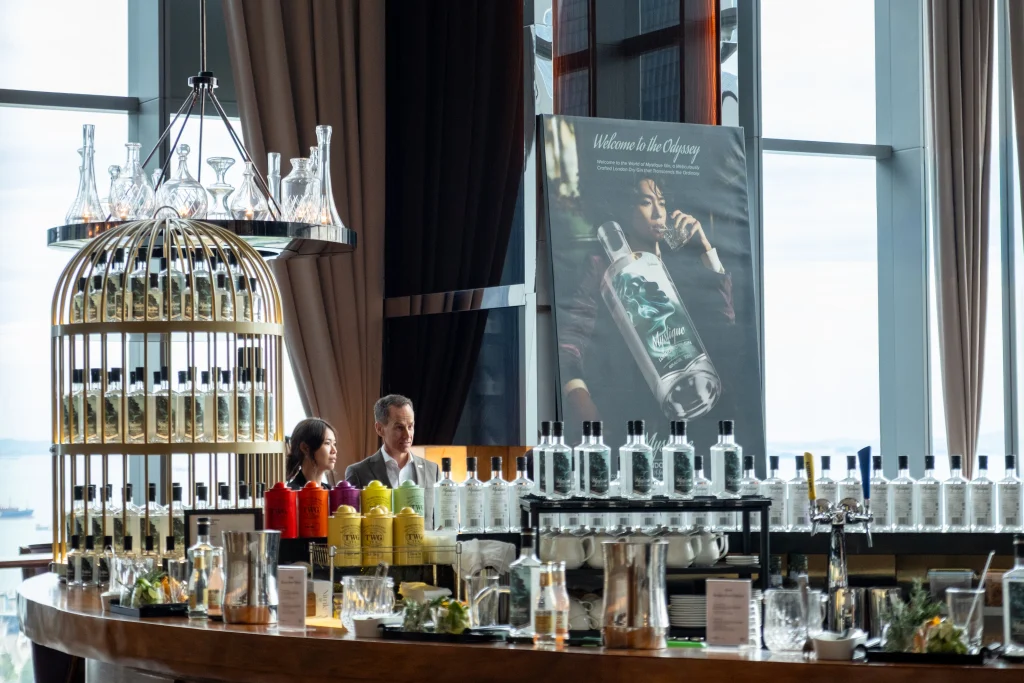
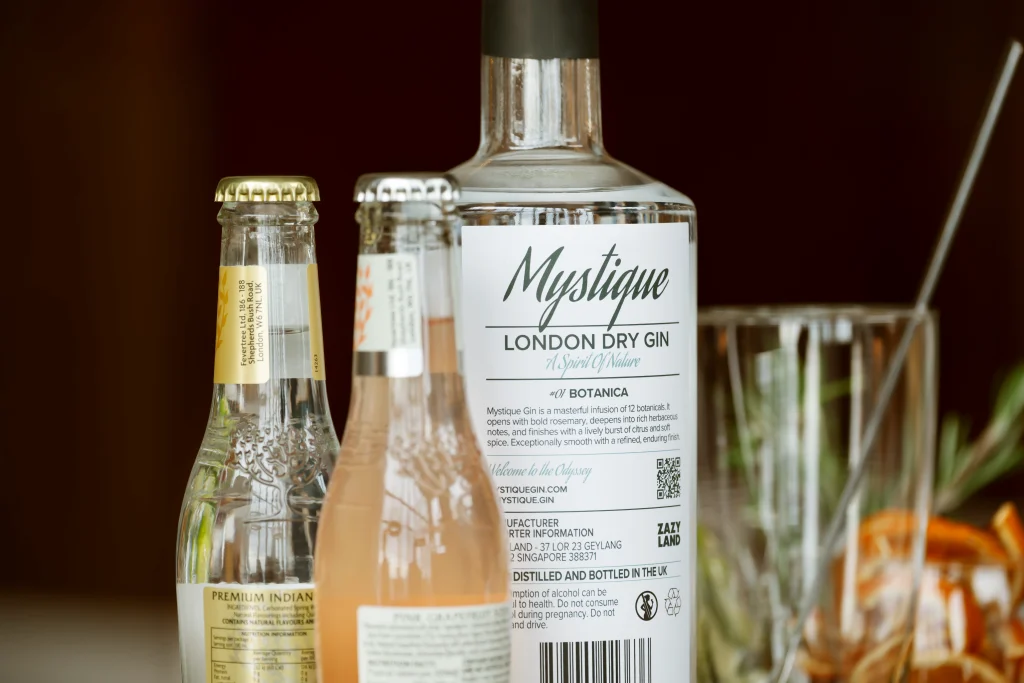
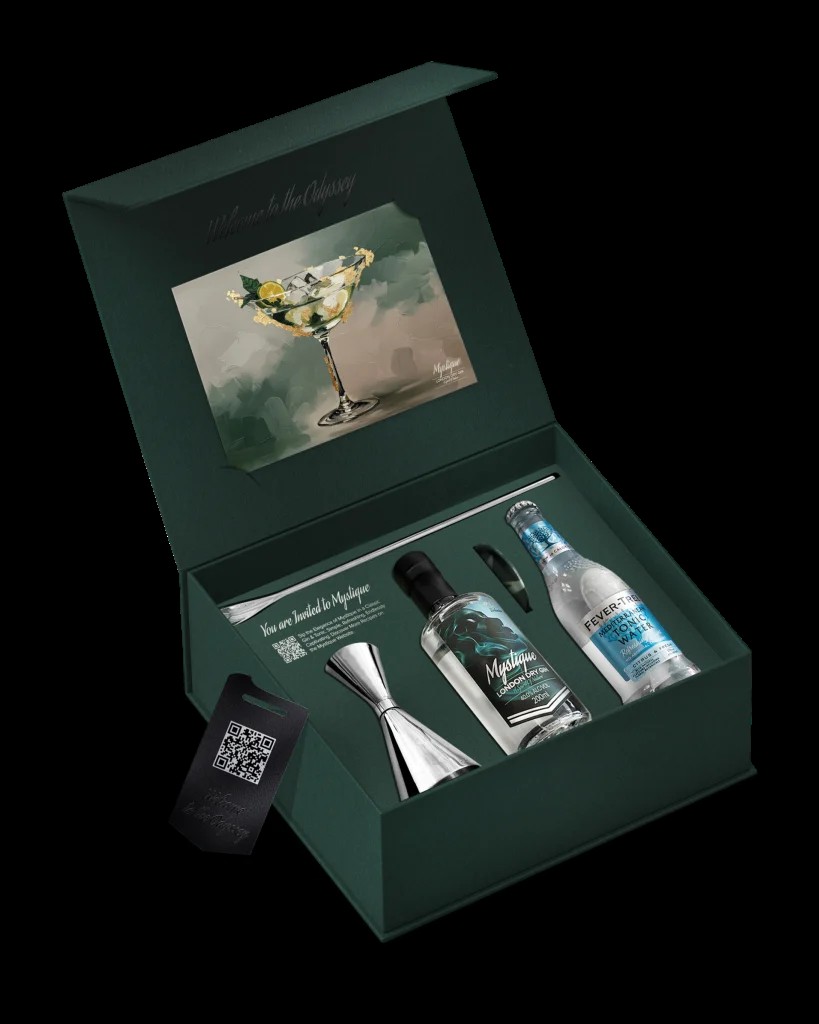
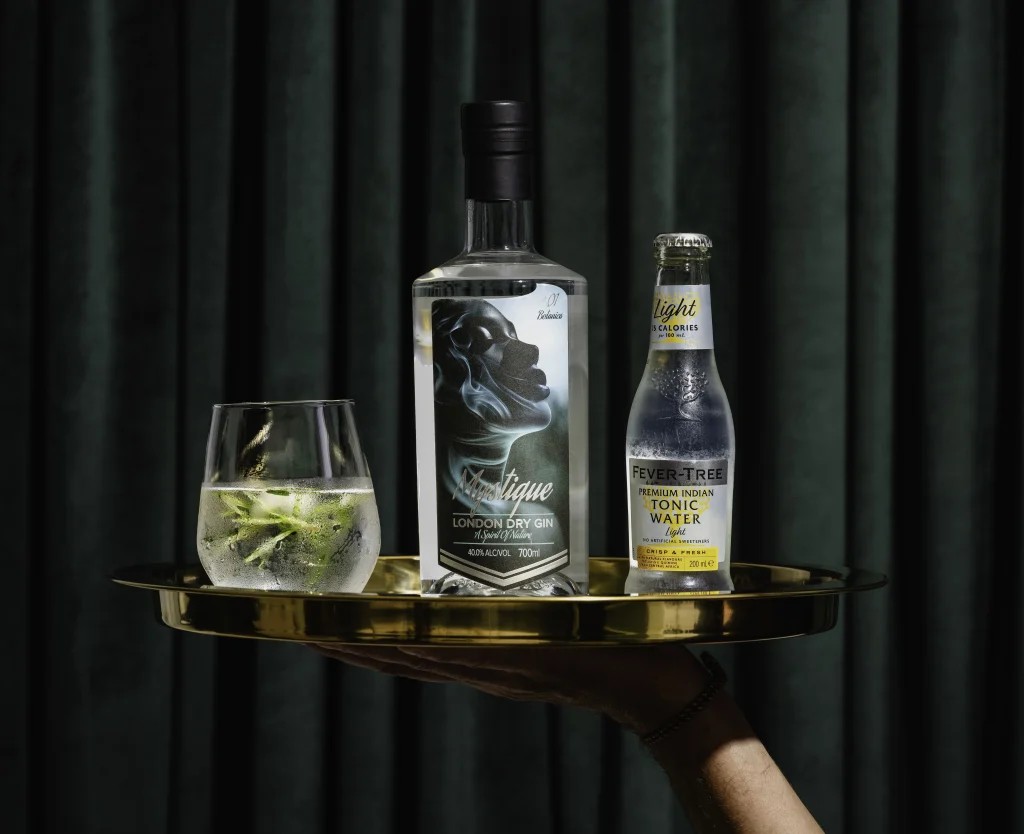
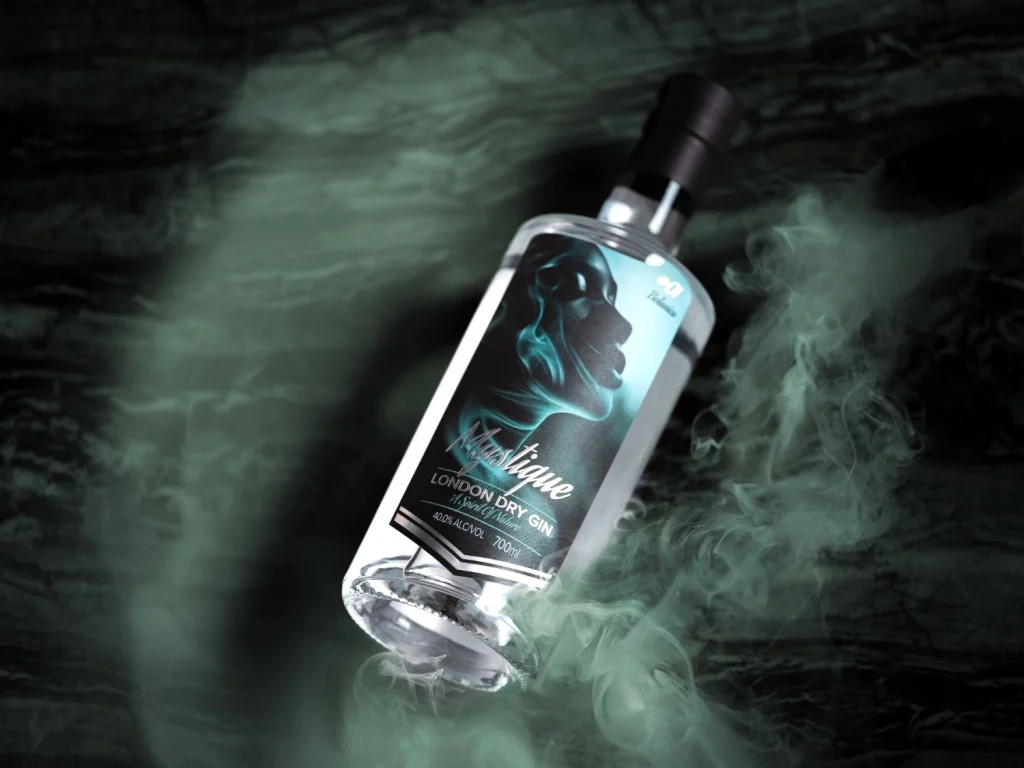
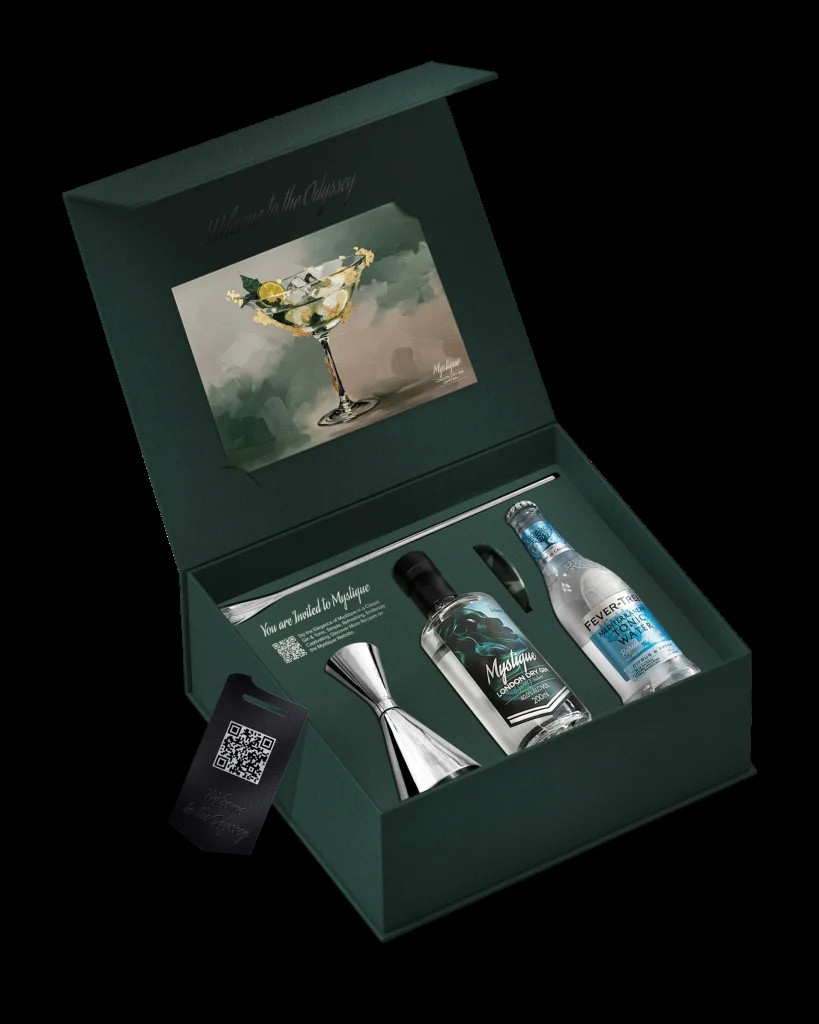
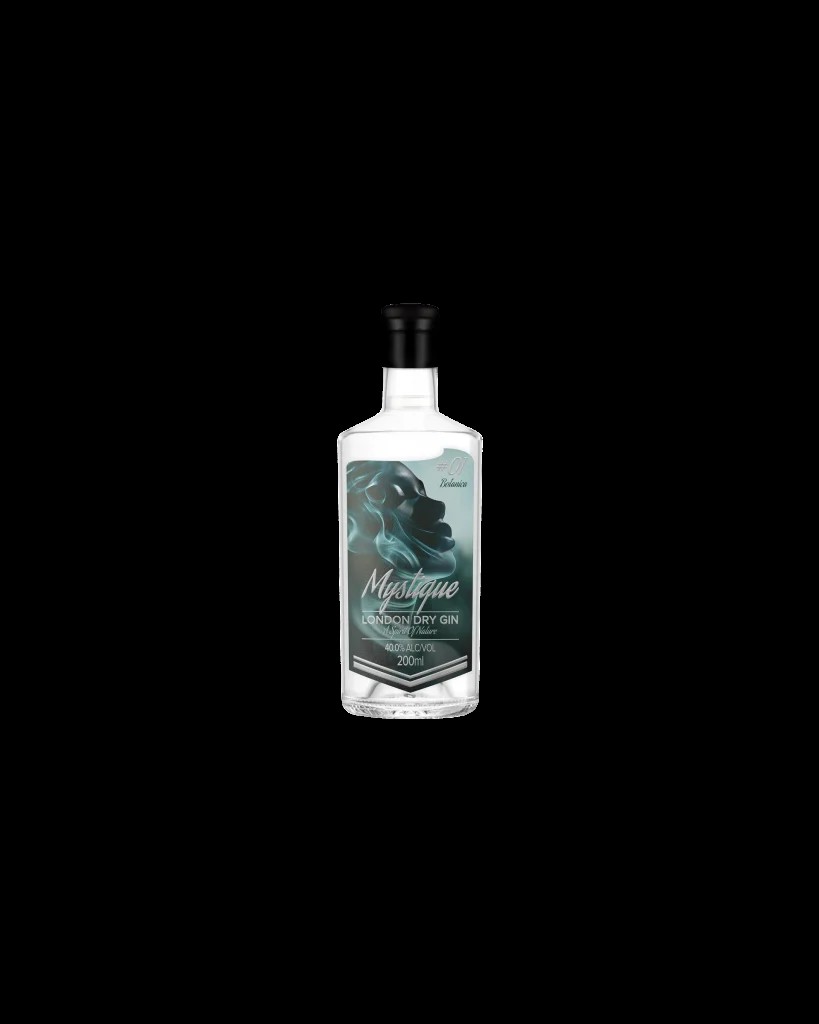
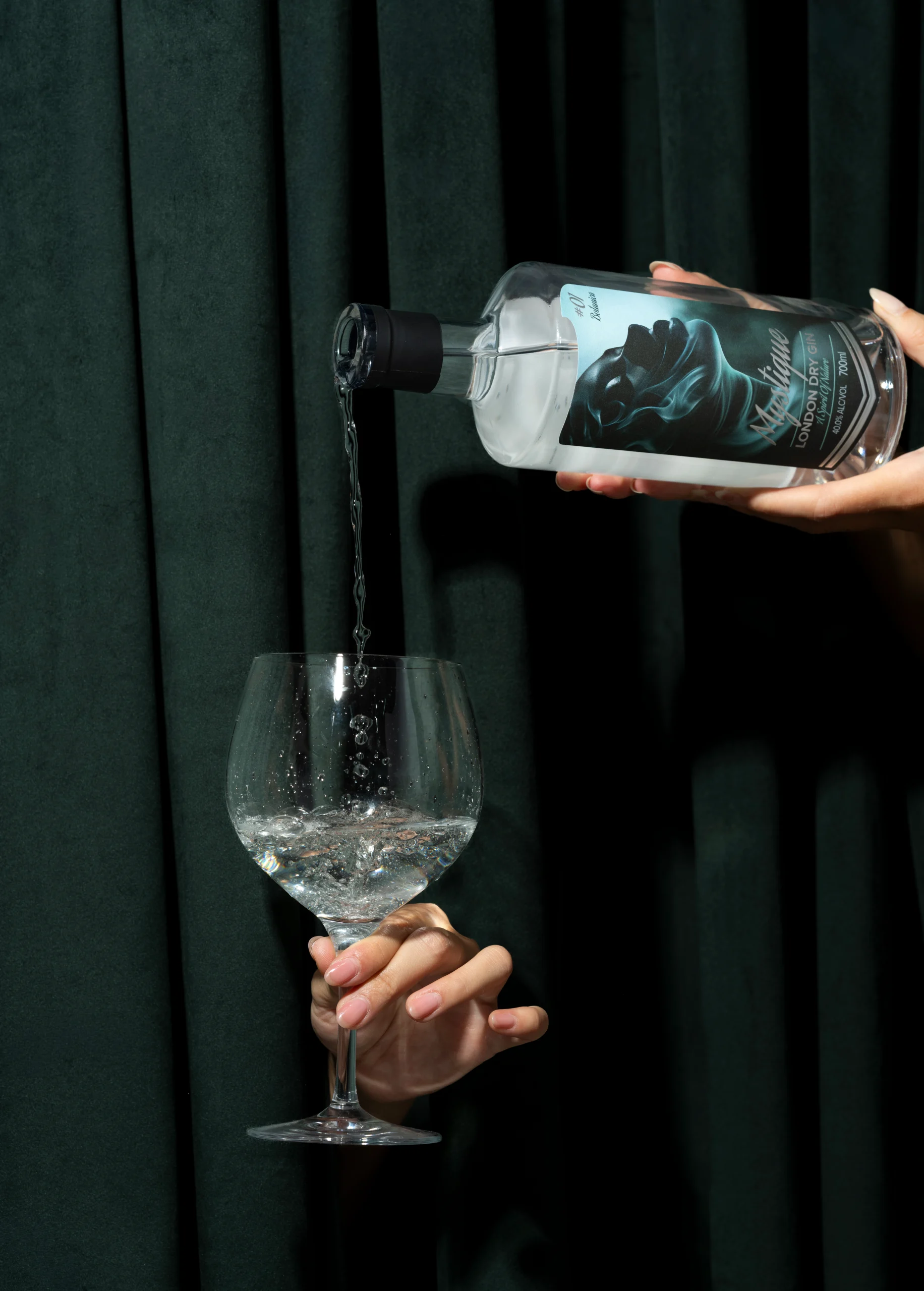
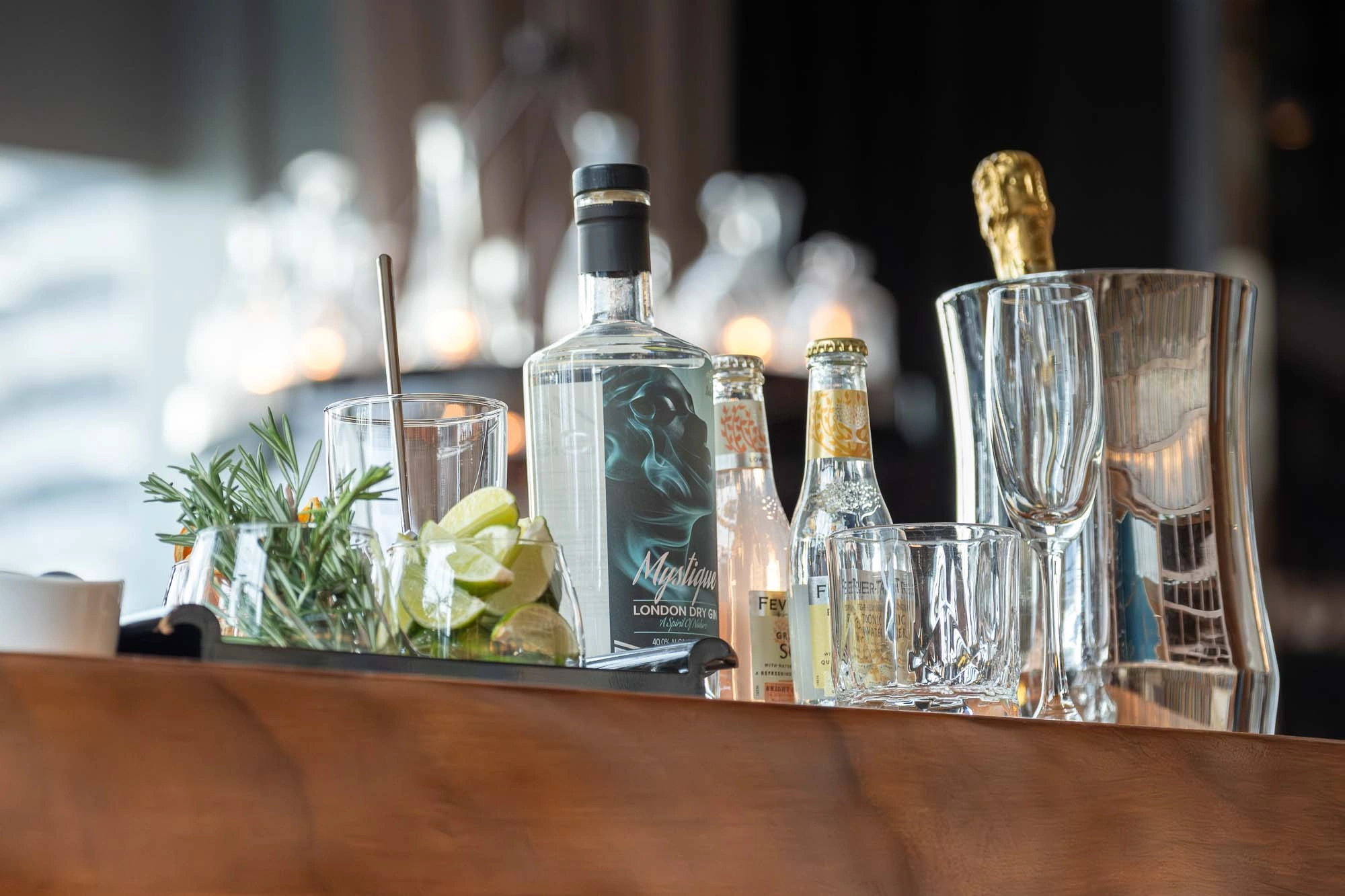
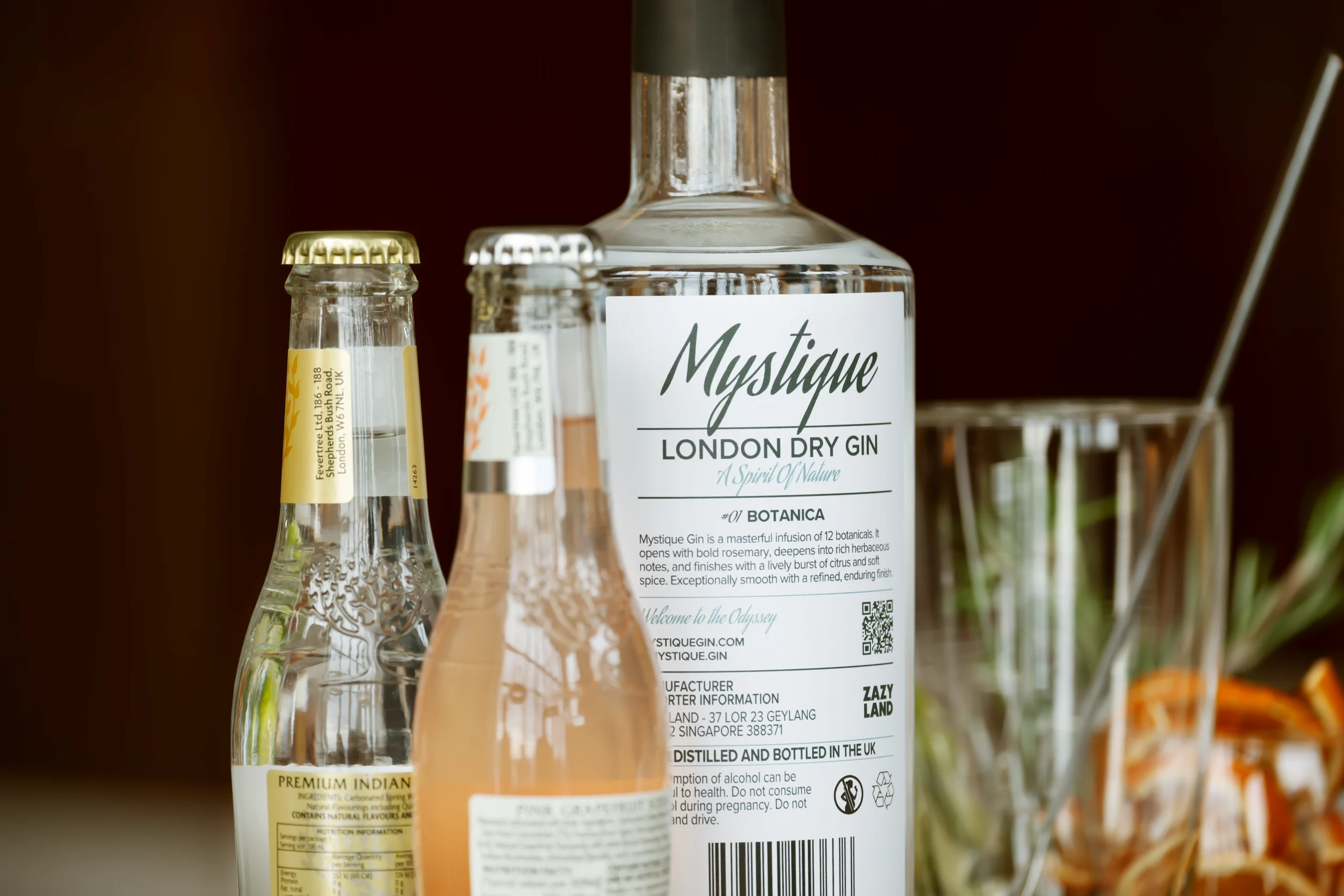
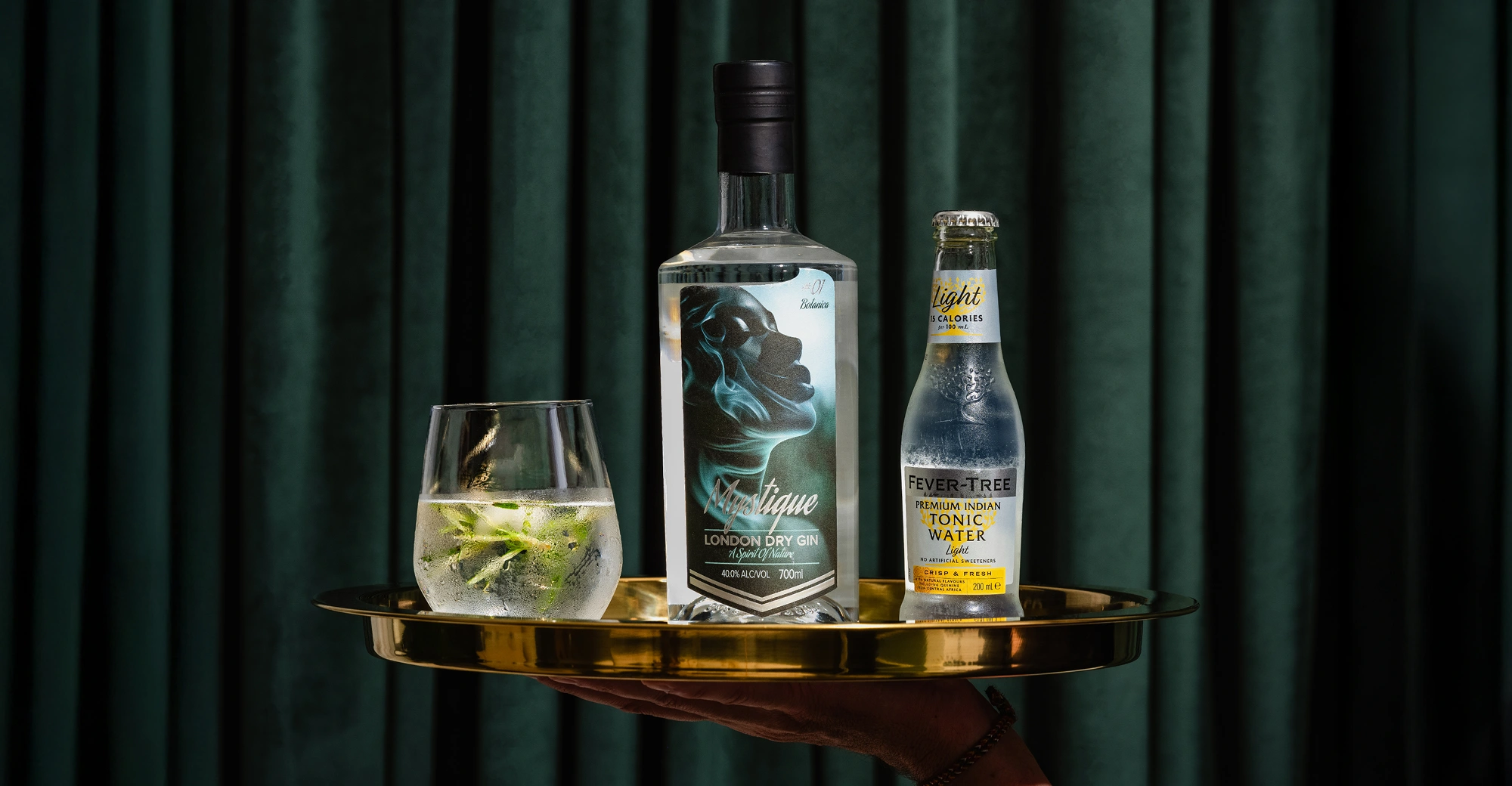
The perception of gin varies from person to person. Some detect notes of citrus and flowers, while others experience spicy or earthy nuances. It is not just a matter of imagination, but of science. Our senses of taste and smell, influenced by our memories, culture and context, determine our perception of flavours. Mystique gin is designed to offer a range of flavours. With a careful selection of botanicals, its two recipes offer distinct taste experiences: one highlights the fresh, aromatic notes of rosemary, while the other emphasises warm, complex spices.
Taste is often associated with the tongue, but flavour is the result of a combination of several senses. Our taste buds detect the five basic flavours: sweet, sour, salty, bitter and umami. However, it is our sense of smell that reveals the true complexity, as up to 80% of what we perceive as ‘flavour’ comes from the aromas detected by the nose. This is why the botanicals used in gin are so intense.
Beyond biology, the perception of flavours varies from person to person. Genetics influence this perception, making some people more sensitive to bitterness and others to sweetness. Culture also plays a role, as an ingredient may be exotic in one country and comforting in another. Personal memories also affect how we taste: a citrus note may evoke summer holidays for one person and a family recipe for another. These elements explain why gin tastes unique to everyone, being a personal experience shaped by science and emotions.
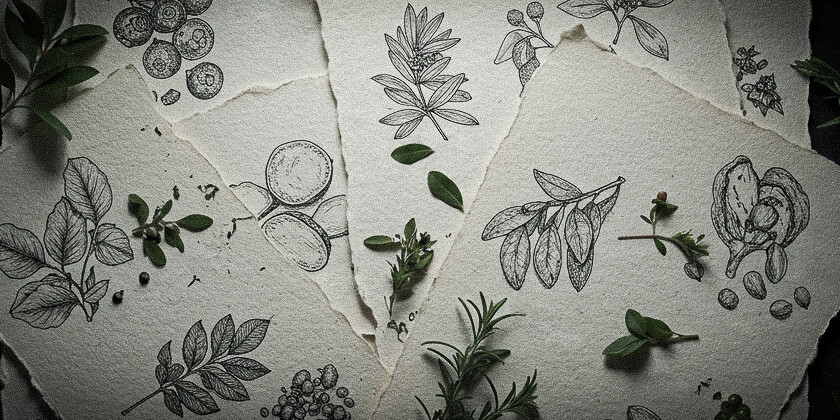
Gin is distinguished by its complexity, with each bottle being a blend of botanicals such as juniper, herbs, spices, flowers and citrus fruits, which interact in various ways. Depending on your senses, you might first perceive bright, tart notes, while someone else might detect deeper, earthier or peppery notes. That’s the beauty of gin: its many facets allow for varied interpretations, each of which is valid.
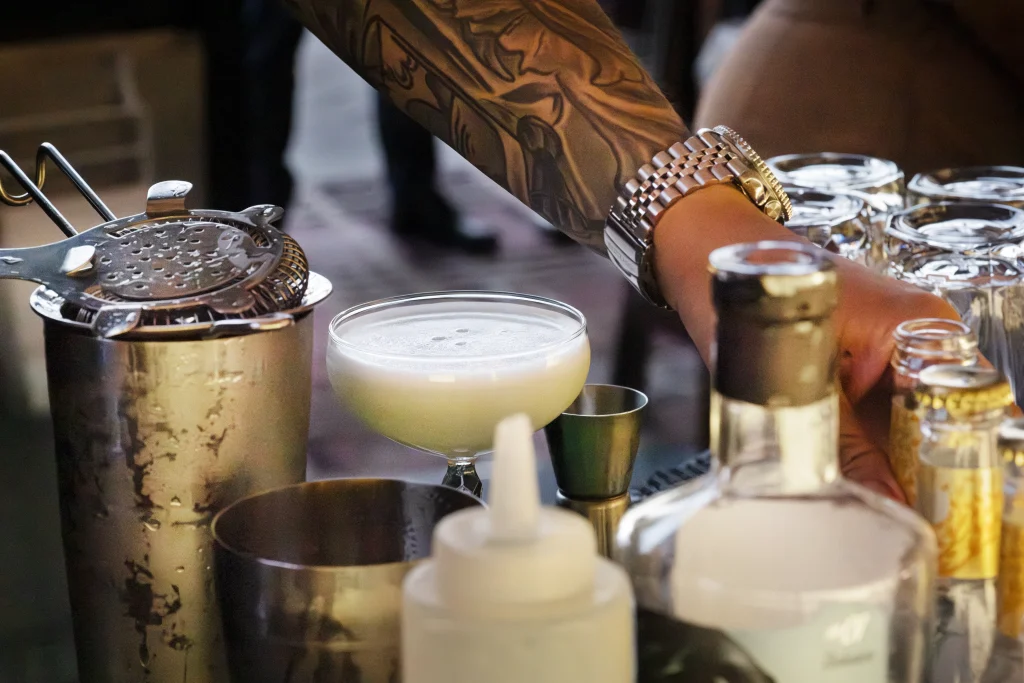
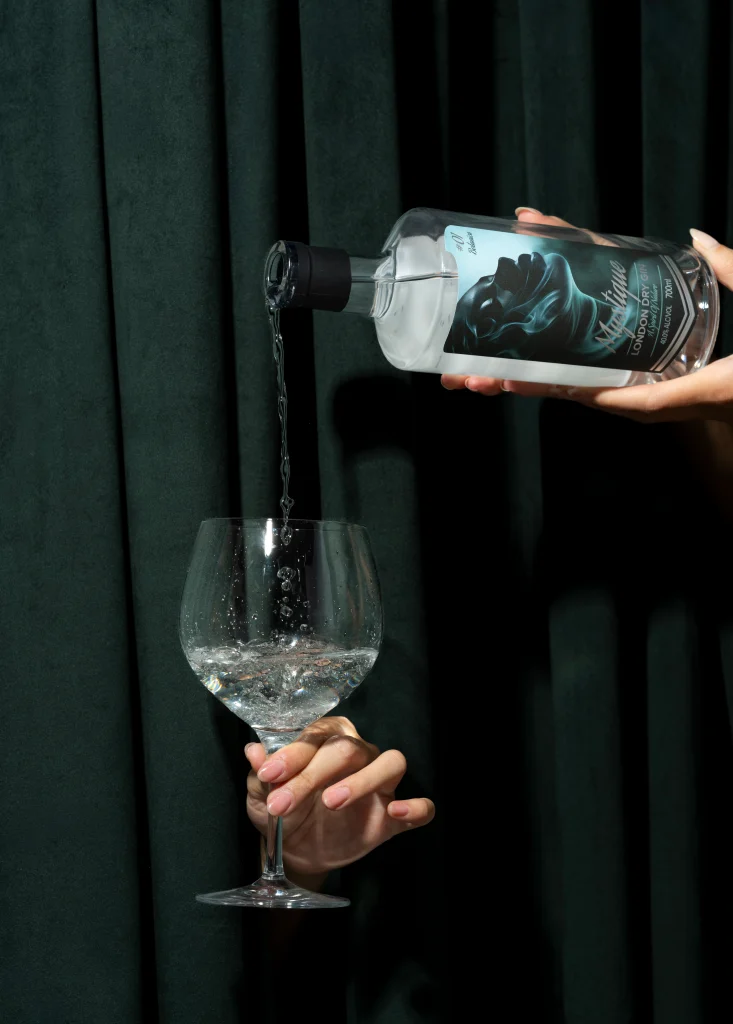
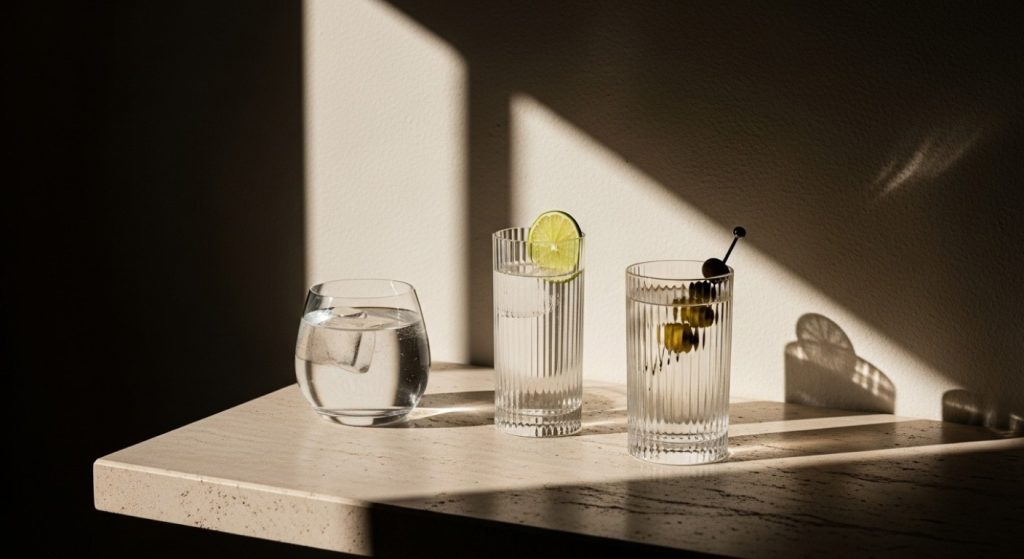
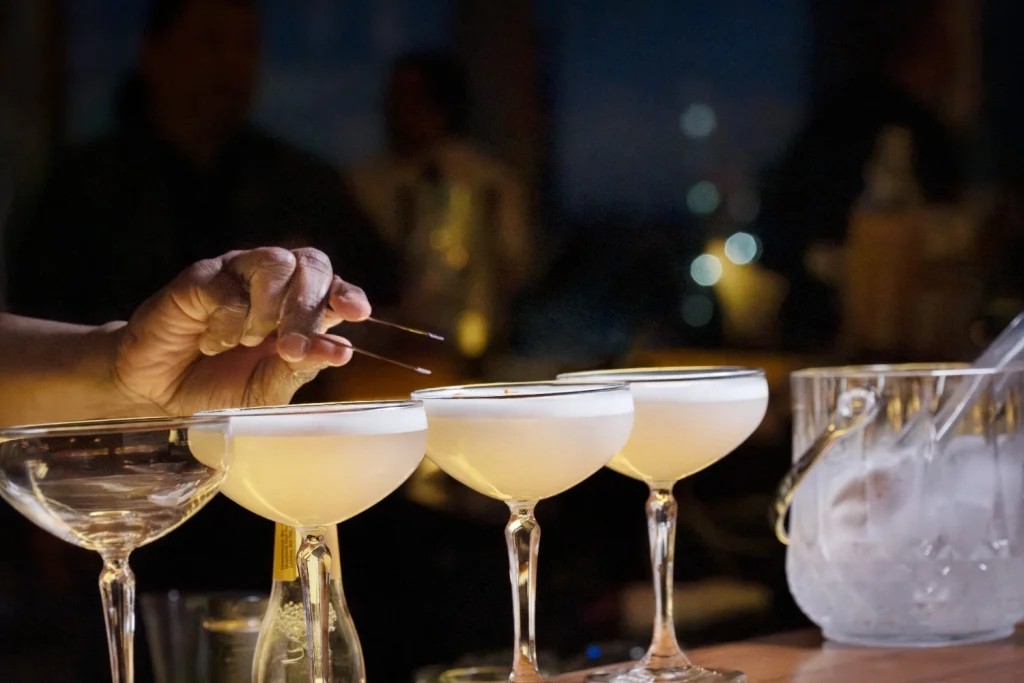
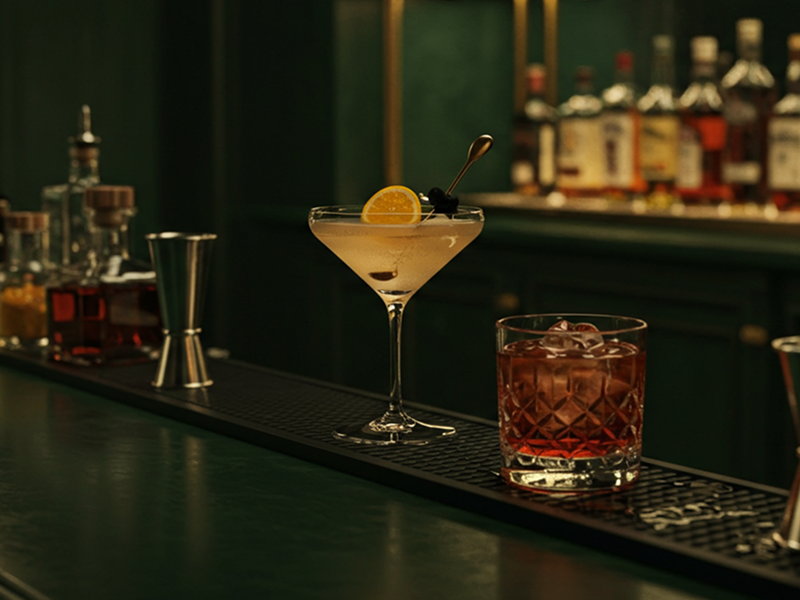
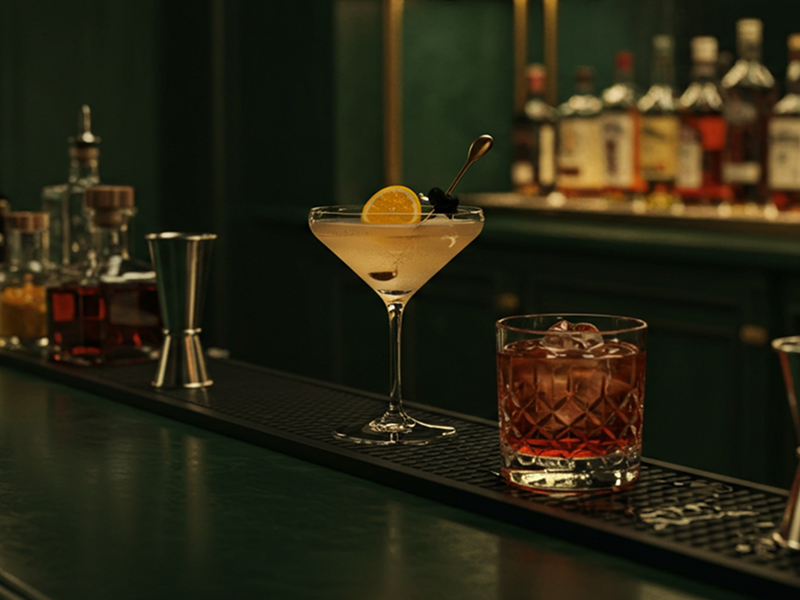
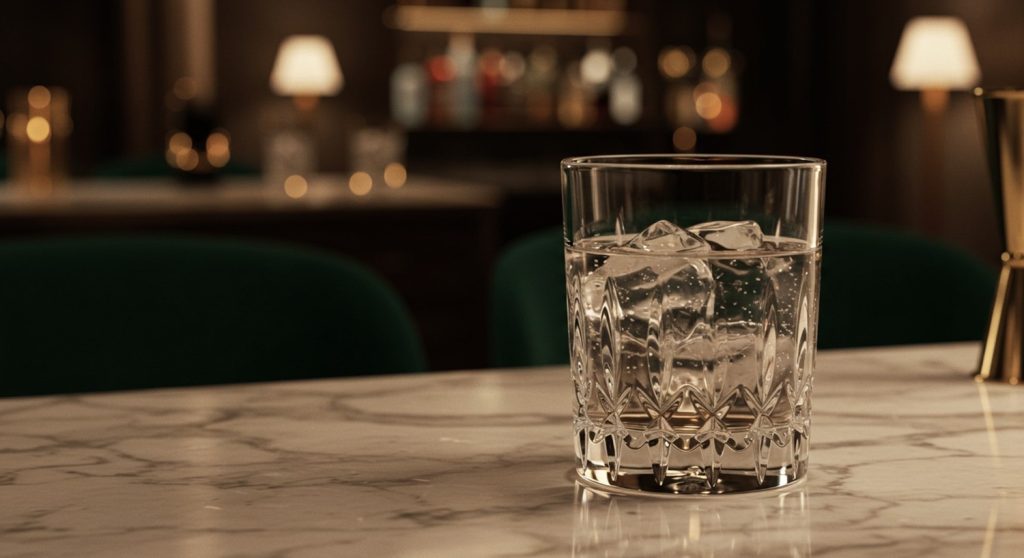
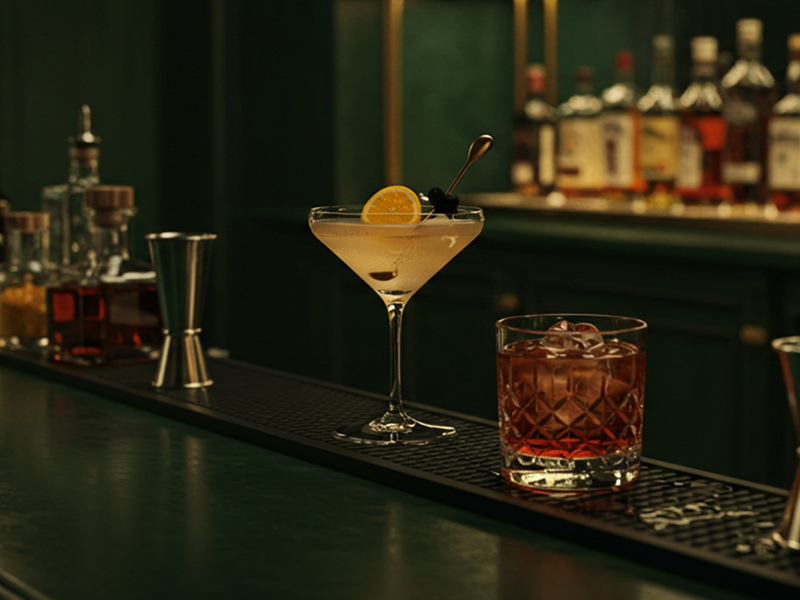
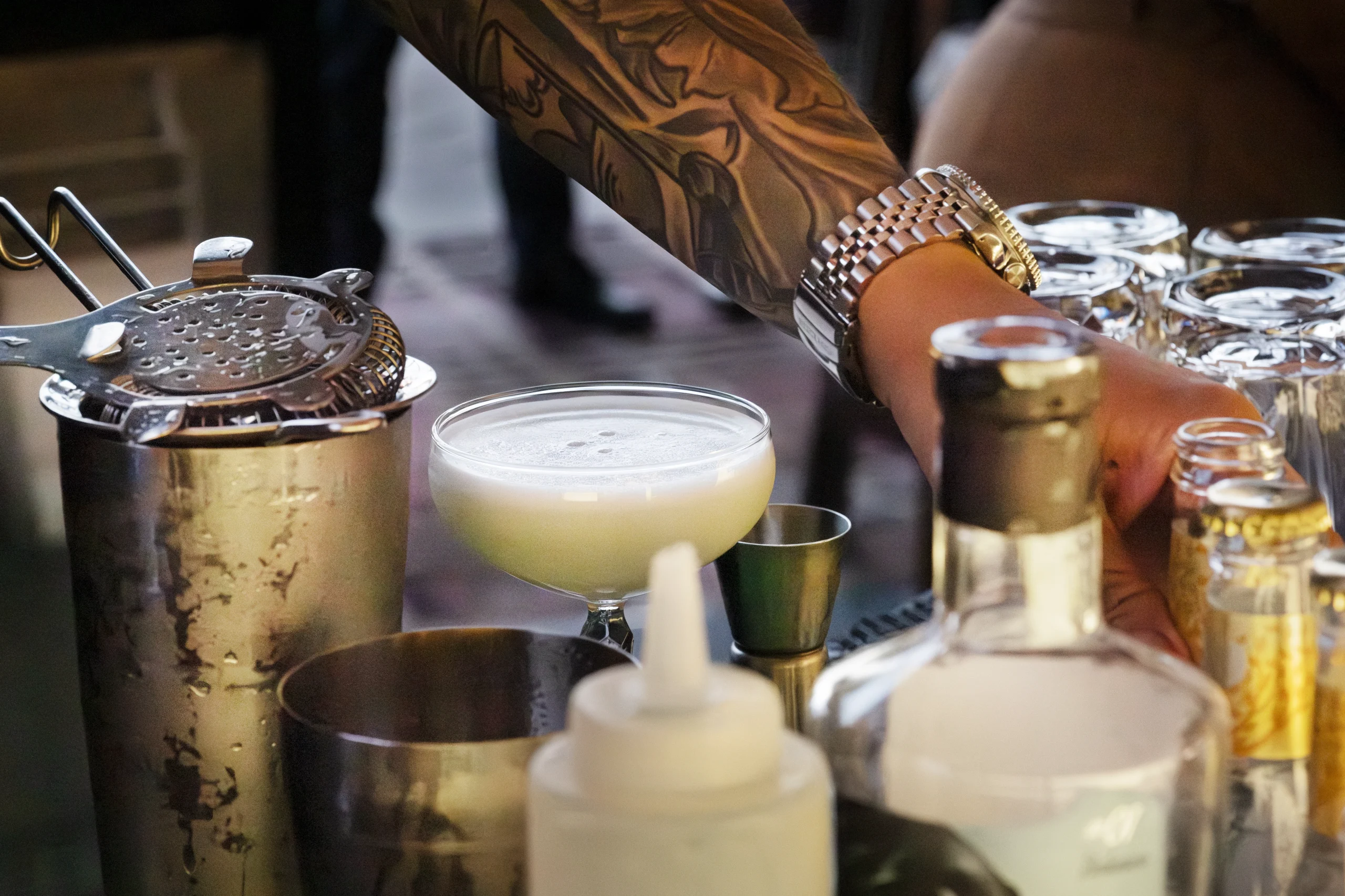
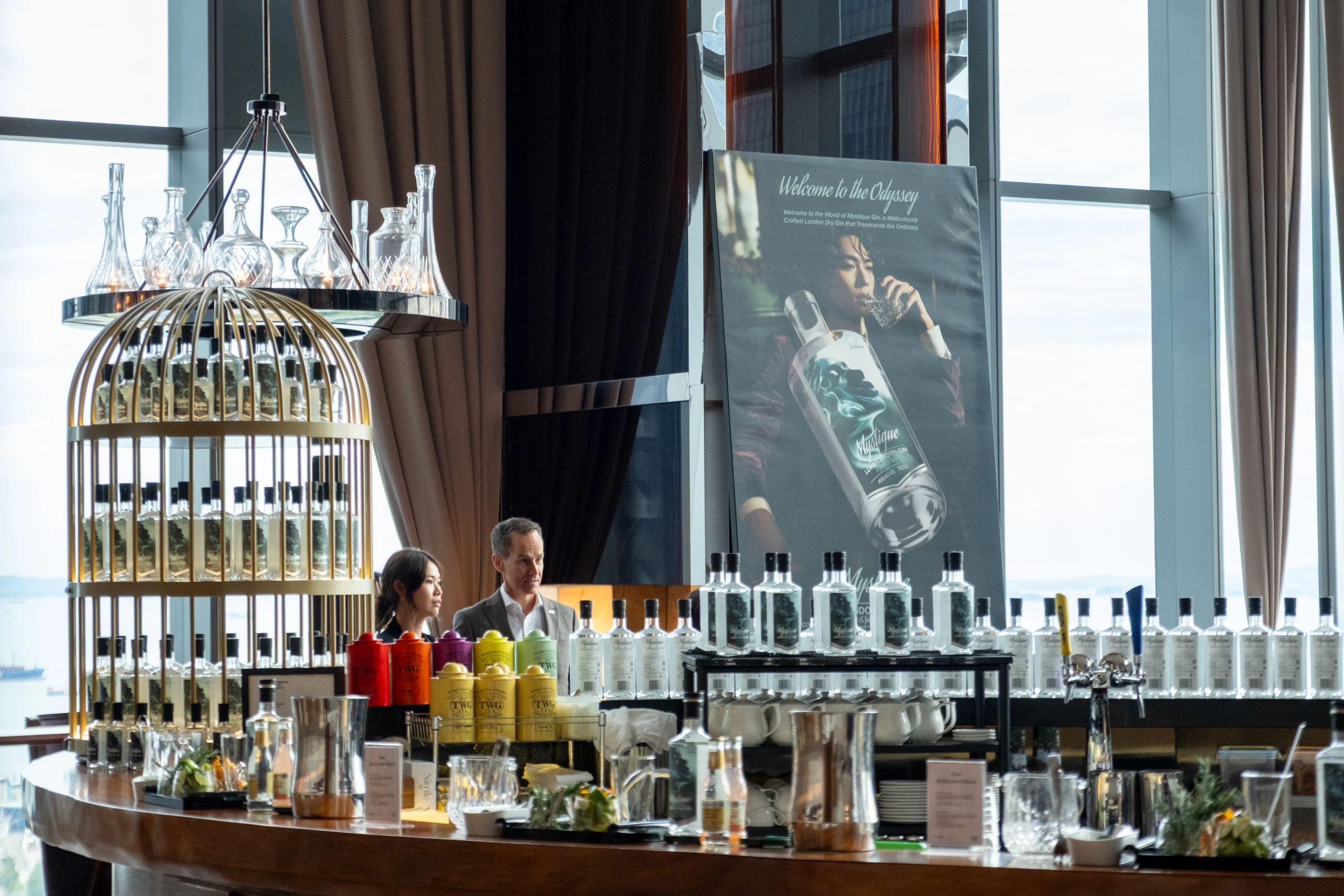
The flavour of gin is not limited to the liquid itself, but also depends on the context. Gin served in a tall glass with fresh tonic water is refreshing and light, while the same gin in a stirred Negroni is bold and robust. The atmosphere, such as the music, lighting or company, can also influence perception. A lively bar and a quiet evening at home offer distinct tasting experiences, even with the same spirit.
In other words, gin is dynamic. It adapts and reveals new facets depending on how it is tasted and where it is consumed.
Our perception of gin is deeply personal. Although science describes how our taste buds and sense of smell detect flavours, it is emotions, memories and context that influence our experience. Each tasting is unique, transforming every sip into a distinct journey. Mystique Gin embodies this individuality, offering a rich and complex experience tailored to each connoisseur. Take the time to explore its botanicals, try different cocktails and let your senses guide you.
Keywords: Mystique Gin, gin flavours, gin tasting, aromatic gin, gin botanicals, unique gin flavours