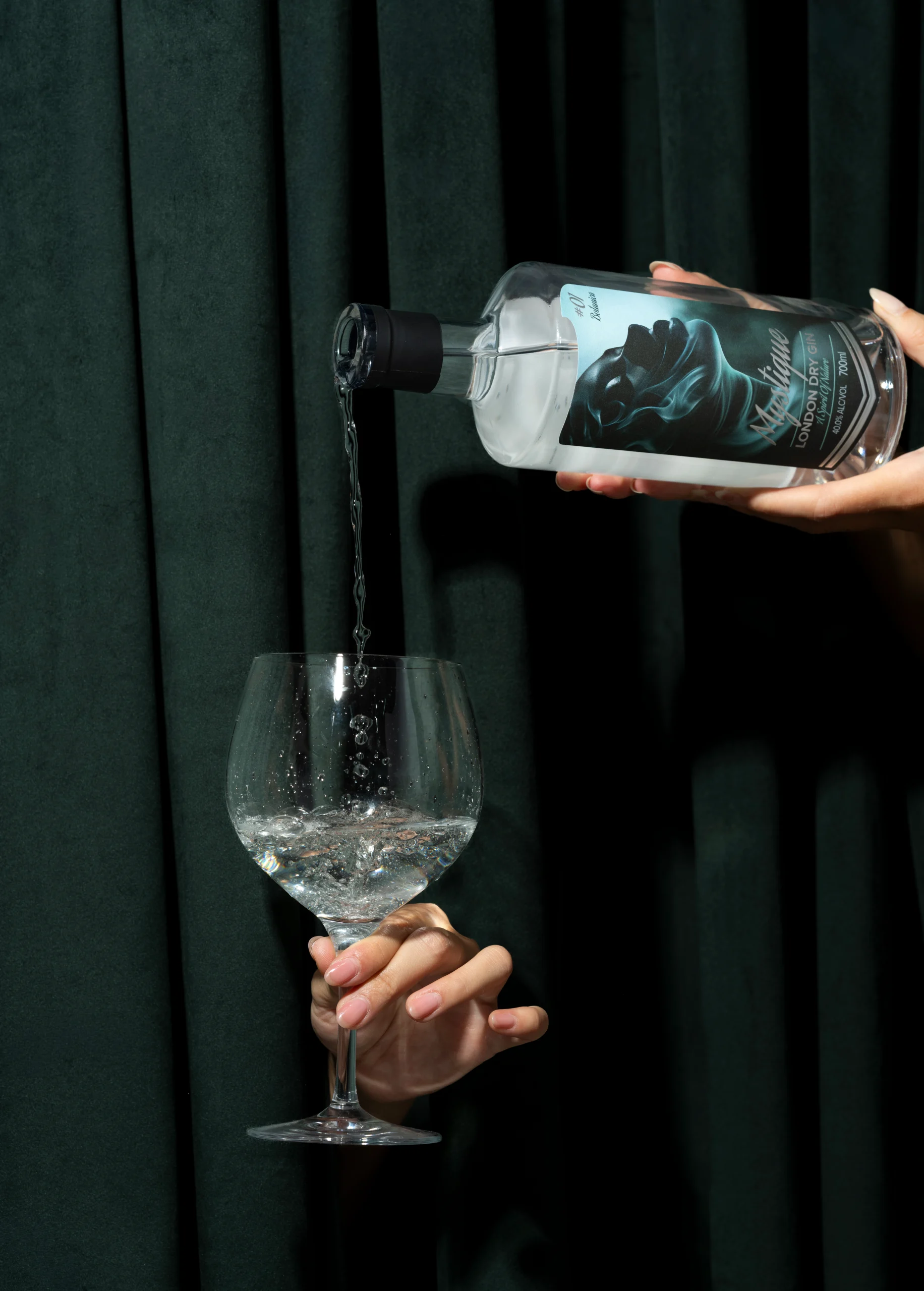
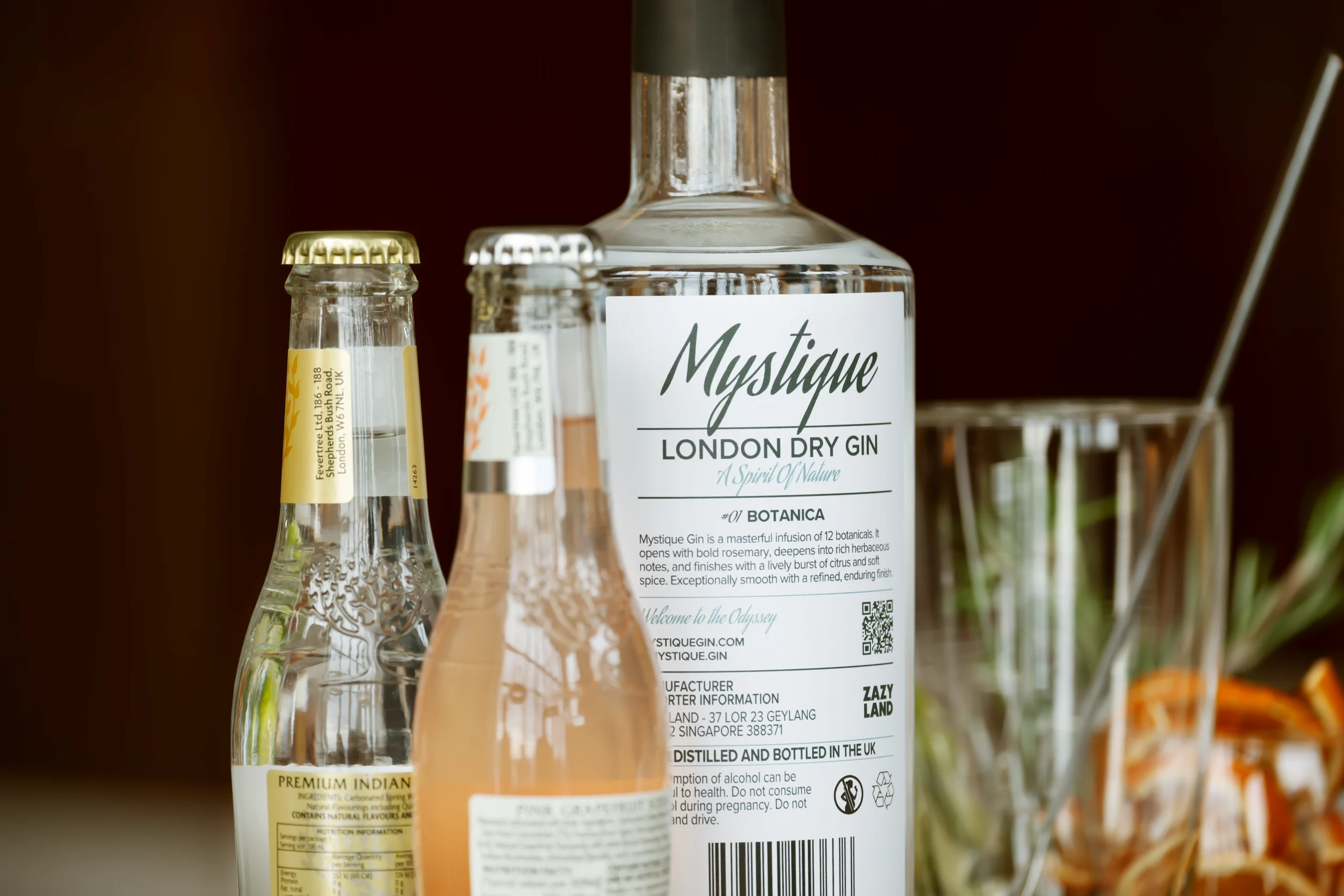
There is a certain simplicity to a good gin and tonic. A bottle of gin, some ice, tonic and perhaps a garnish may be all that is needed. Yet small choices can make a noticeable difference to the finished drink.
For someone who has recently decided to buy London Dry Gin in Singapore, serving it at home does not need to involve complicated techniques or a long list of ingredients. Understanding a few basics—glassware, ice, tonic, dilution and garnish—can help you get more from the bottle.
The important thing is to allow the gin to remain part of the drink rather than covering its character with too many additions.
Start With the Gin
Before deciding on the mixer, it helps to understand what you are actually drinking.
London Dry Gin is a recognised style of gin, and the term describes its production characteristics rather than meaning that the gin must be made in London. Different London Dry Gins can have noticeably different profiles depending on the botanicals and production methods used.
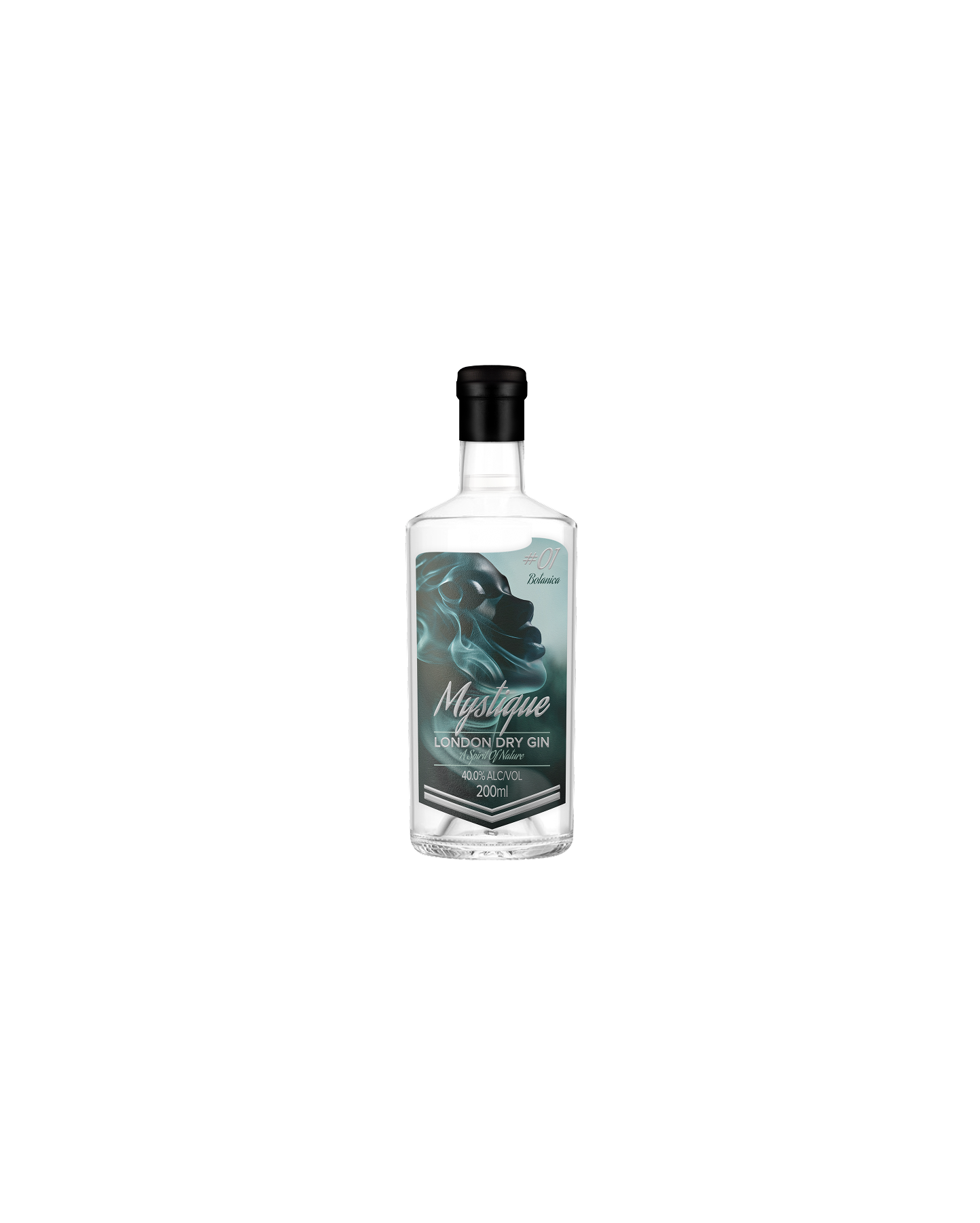
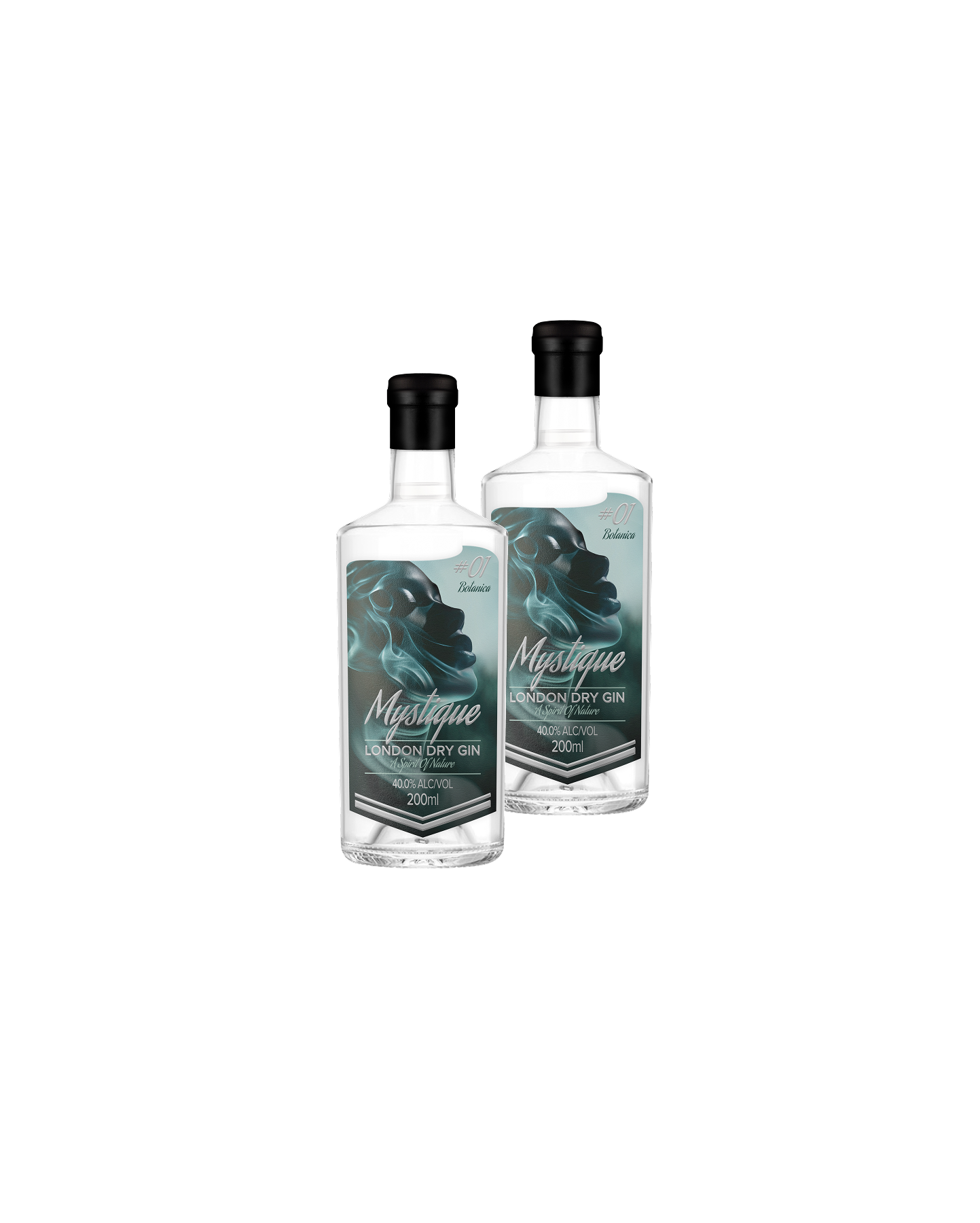
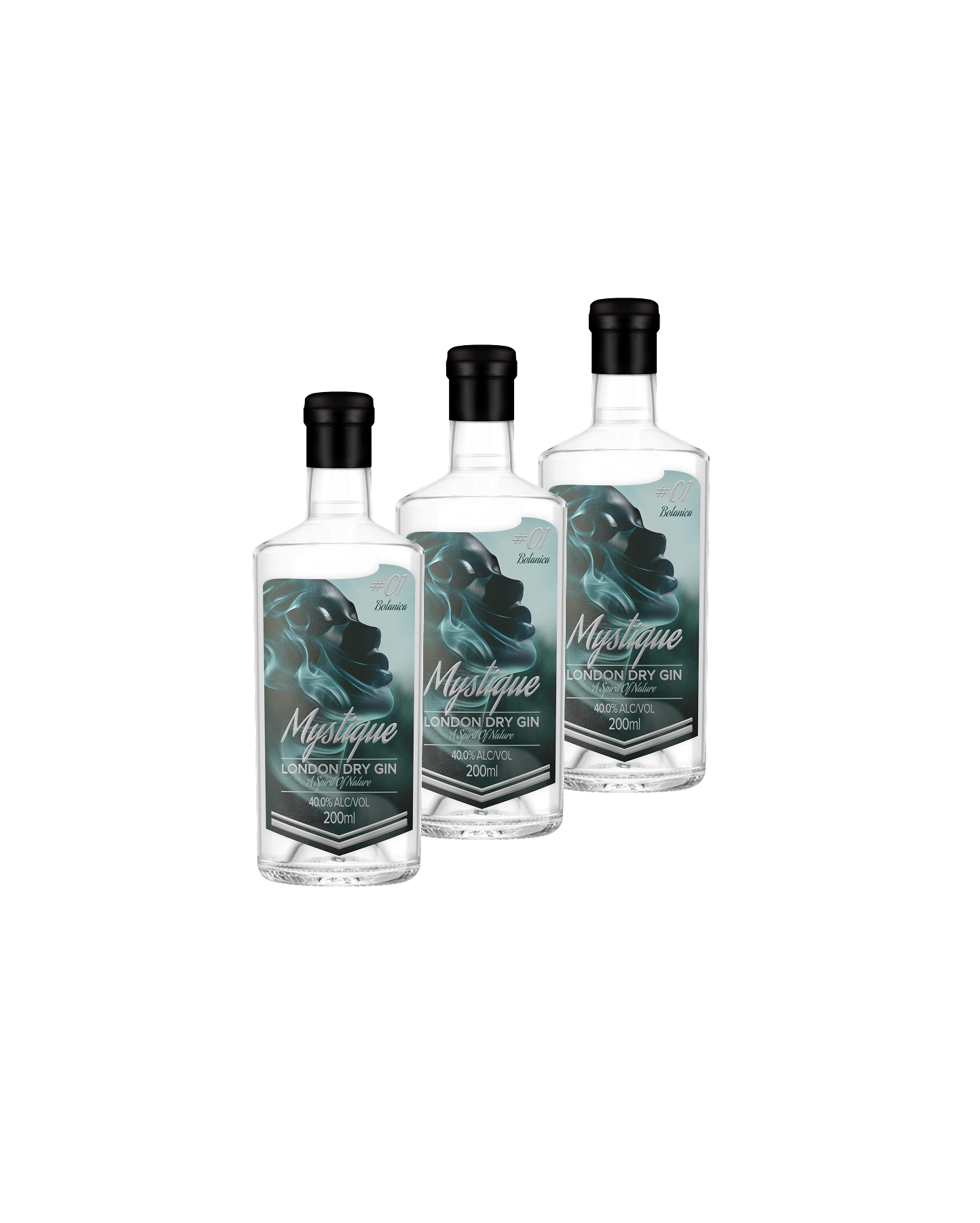
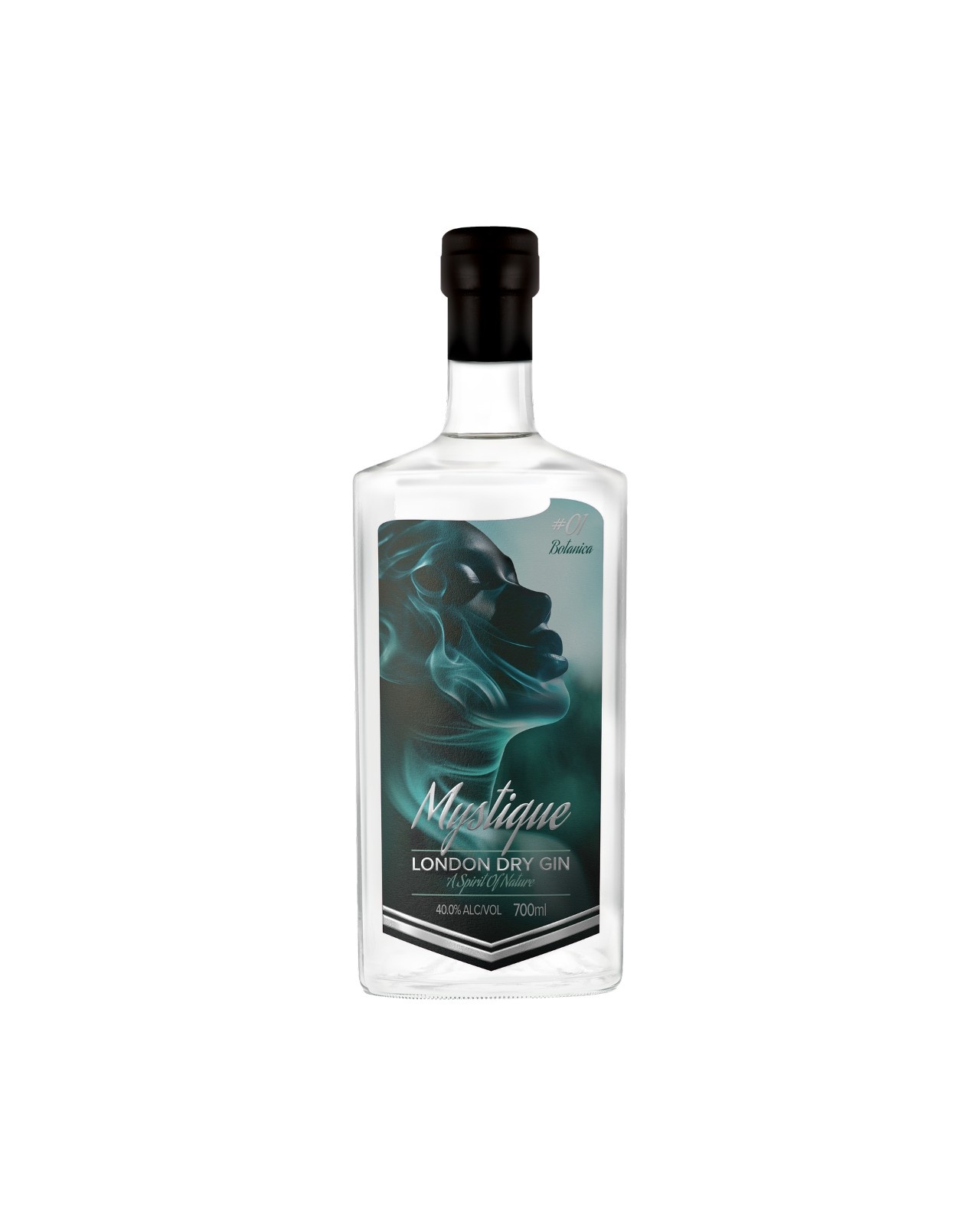
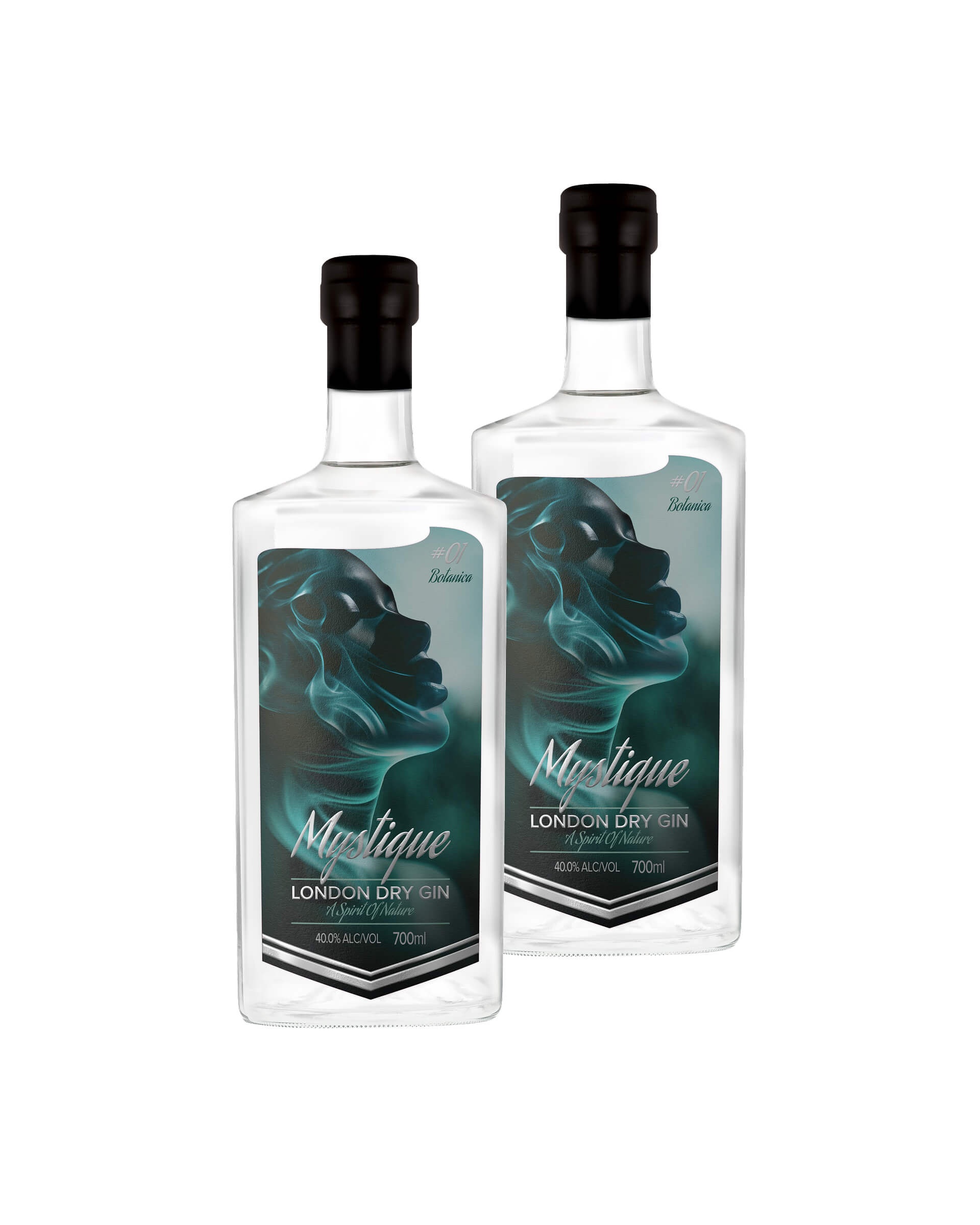
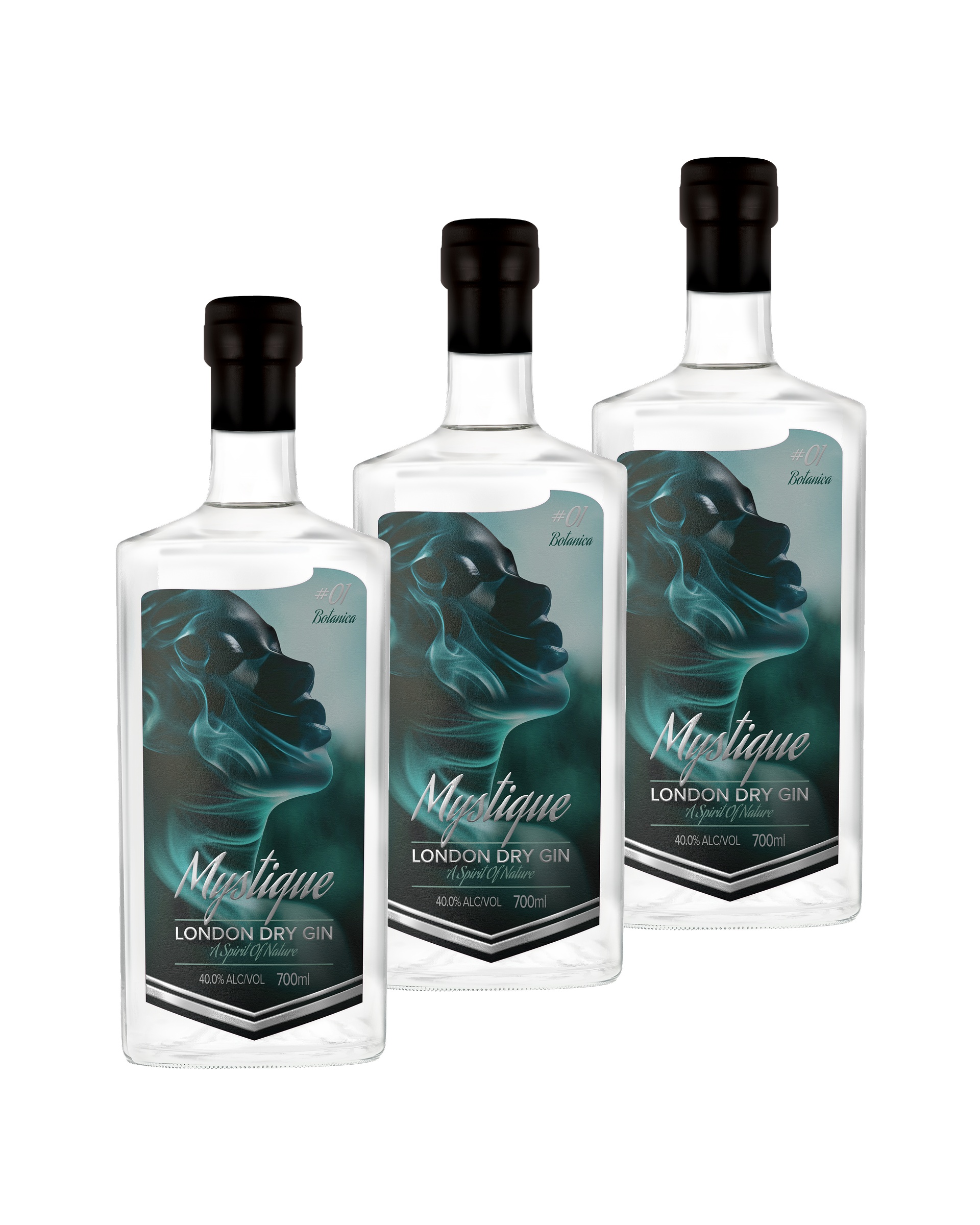
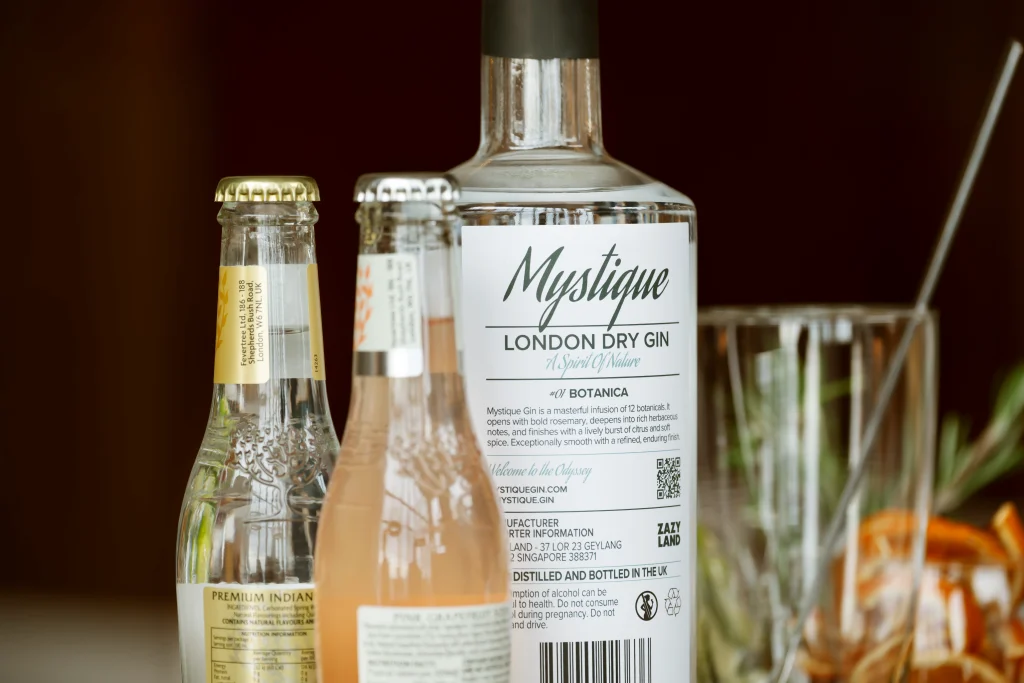
Mystique Gin, for example, is made in the United Kingdom.
Once you know the character of the gin, you can make better decisions about how you want to serve it. Some people prefer to explore a gin on its own first, while others naturally reach for tonic.
There is no requirement to make the drink complicated.
Use Plenty of Good Ice
Ice does two jobs in a gin and tonic.
It chills the drink and, as it melts, provides a small amount of dilution.
Large, solid pieces of ice are generally useful because they melt more slowly than small, fragmented pieces. A glass filled properly with ice can keep the drink cold while helping to control how quickly it becomes diluted.
This is particularly useful in Singapore’s warm climate, where a chilled drink can quickly become less refreshing if the ice disappears too quickly.
Rather than using only a few cubes, fill the glass well and give the ice a moment to properly chill the glass before adding the other ingredients.
Choose Your Glassware
There is no single glass that must be used for a gin and tonic.
A balloon-style glass is often associated with the serve because its wider bowl provides room for ice, gin, tonic and garnish. A highball glass can also work well, particularly when you prefer a simpler, taller drink.
The choice of glass also affects how the drink feels in the hand and how aromas reach the nose.
For a relaxed drink at home, the glass you already have may be perfectly adequate. The more important consideration is having enough room for ice and the proportions of the drink you want to make.
Choosing the Right Tonic for London Dry Gin
Tonic water is not simply an ingredient added to gin. It can significantly influence the finished drink.
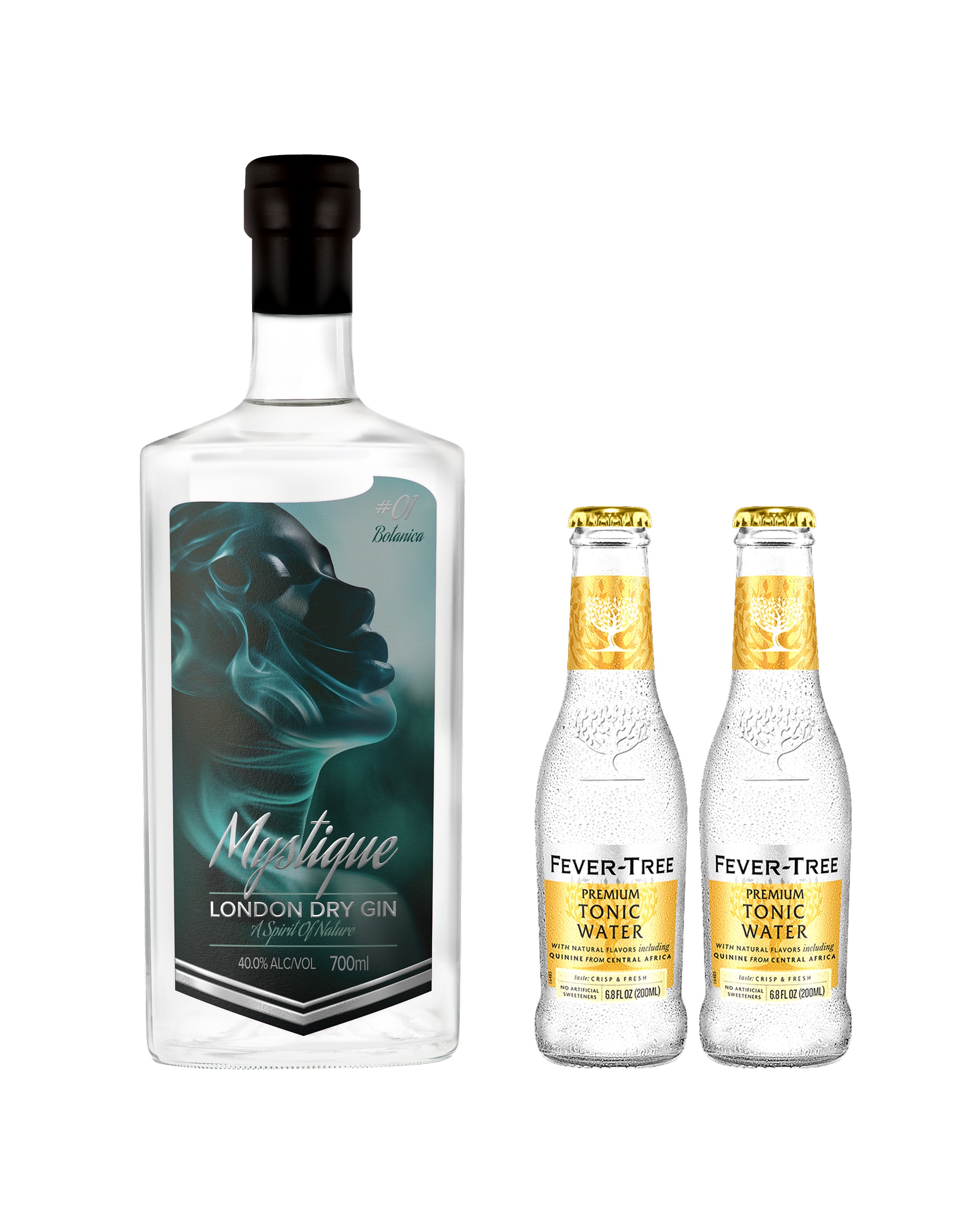
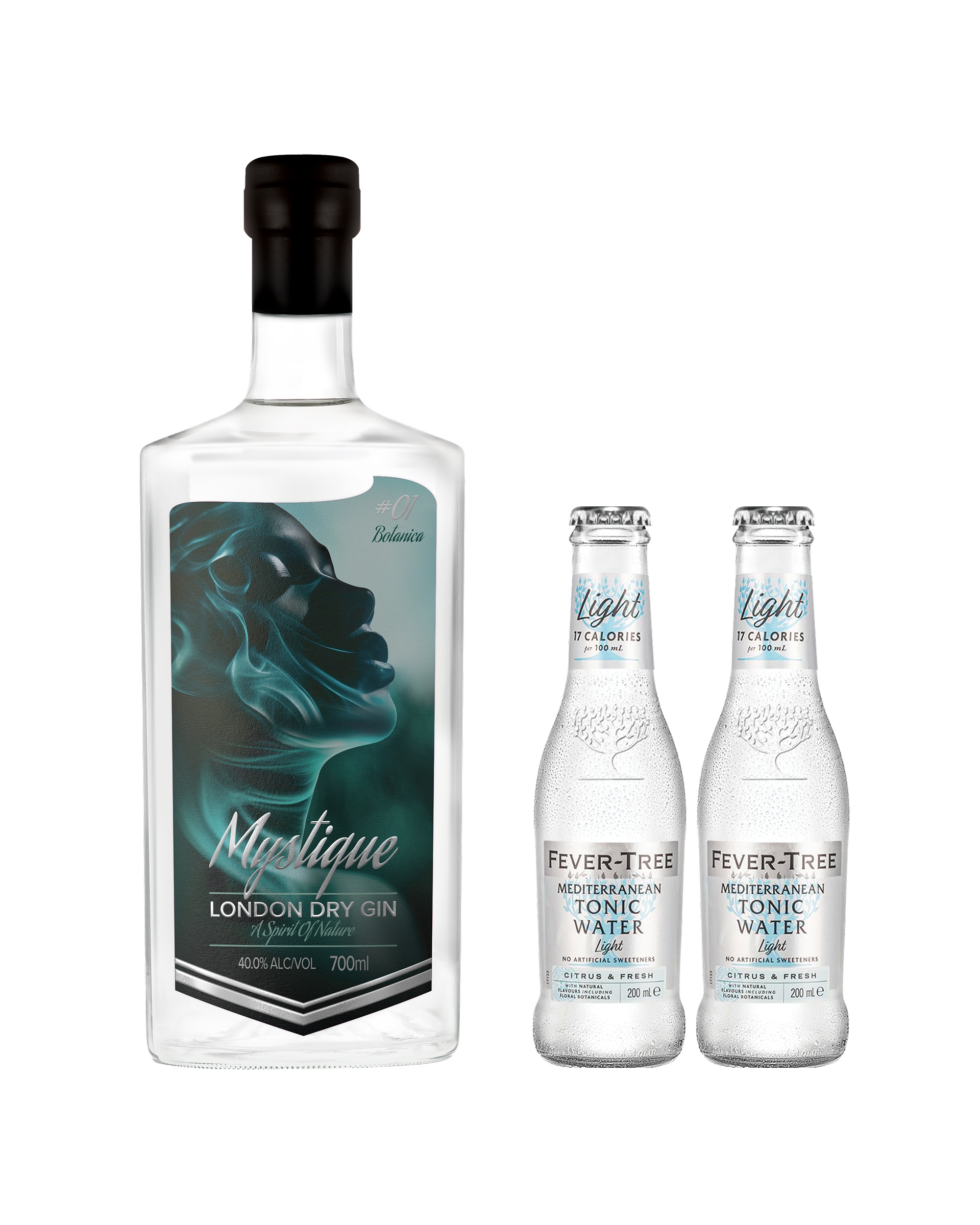
A tonic with a strong sweetness or bitterness can change the way the gin tastes. A lighter tonic may allow more of the gin’s character to come through.
This is why it can be useful to experiment with different tonic styles rather than assuming that one will work with every gin.
Start with a modest amount of tonic and adjust it according to your preference. Adding more is easy; removing it once it is in the glass is not.
Getting the Gin and Tonic Ratio Right
There is no universal gin-to-tonic ratio that everyone has to follow.
Some people enjoy a stronger gin presence, while others prefer a longer and more refreshing drink. The occasion can also make a difference.
If you are tasting a gin for the first time, starting with a relatively balanced serve can help you understand its character. From there, you can adjust the amount of tonic to suit your preference.
The aim is to avoid turning the gin into a background ingredient.
Add Tonic Gently
The way tonic is added can also affect the drink.
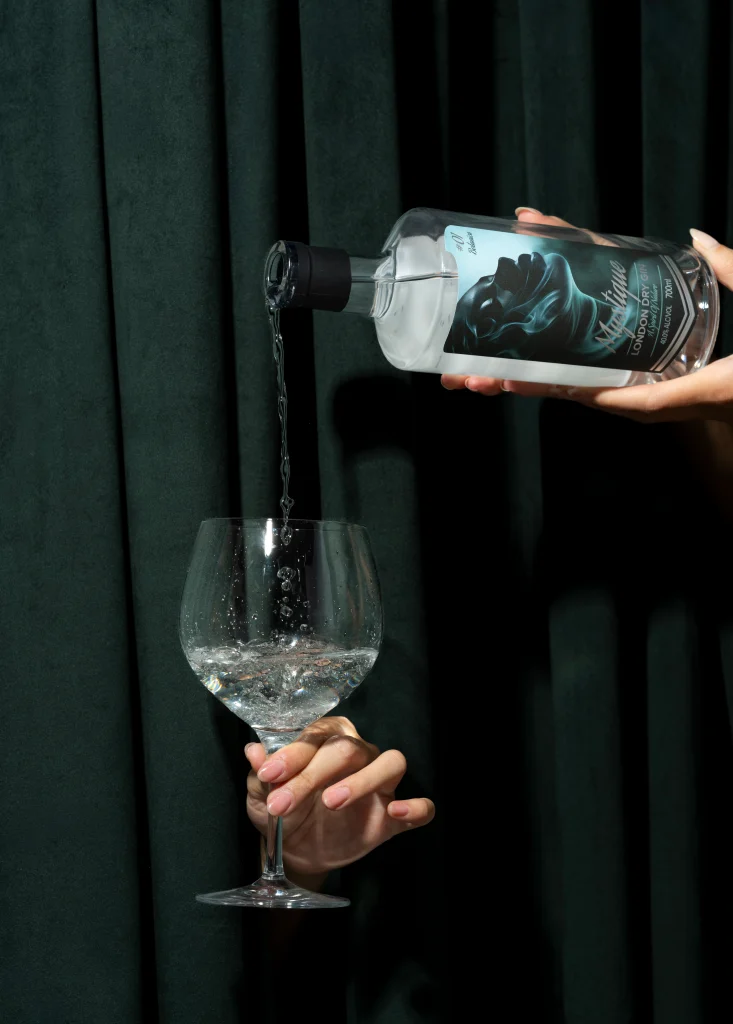
Pouring it gently helps preserve some of its carbonation. There is little reason to stir the drink aggressively once the tonic has been added.
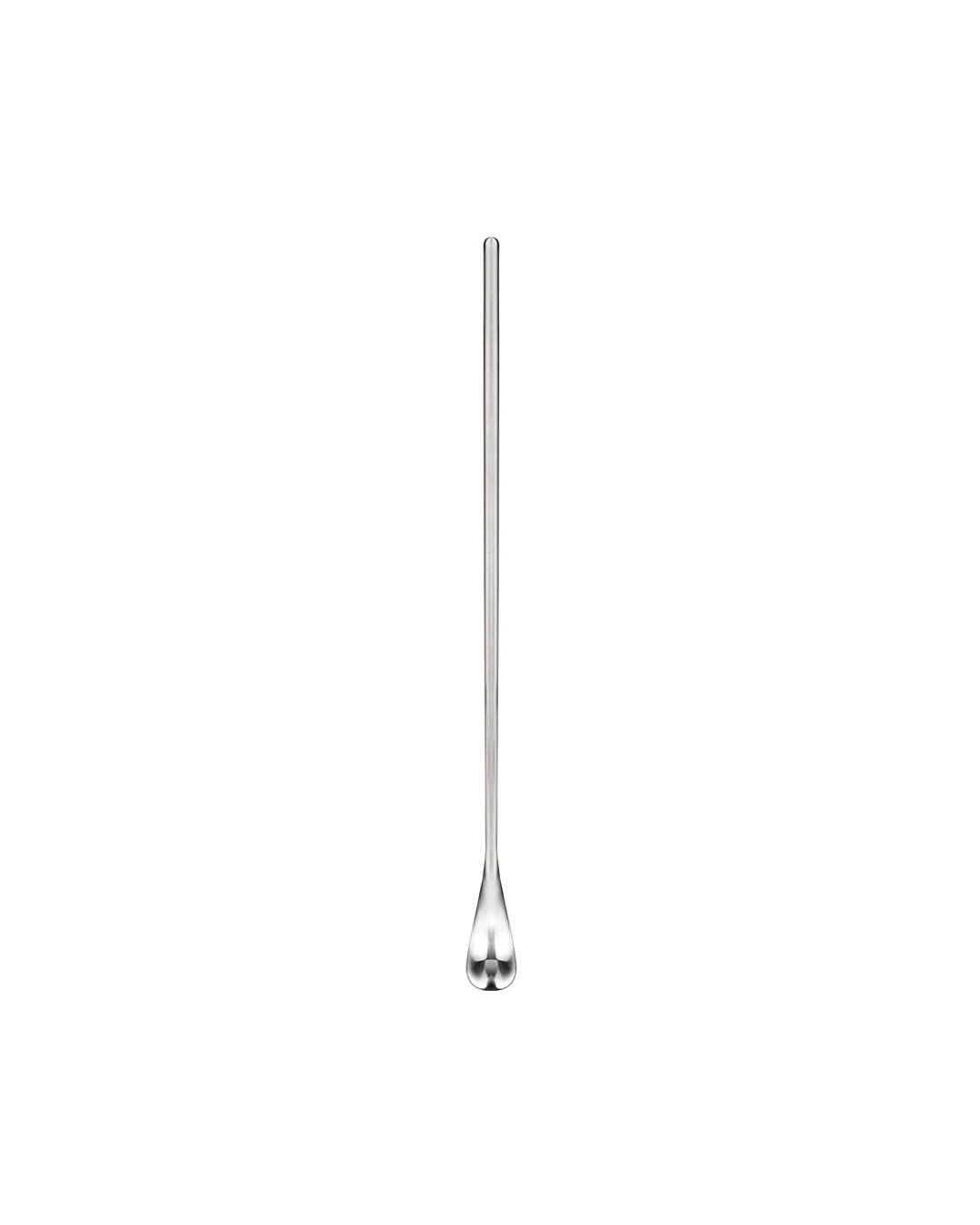
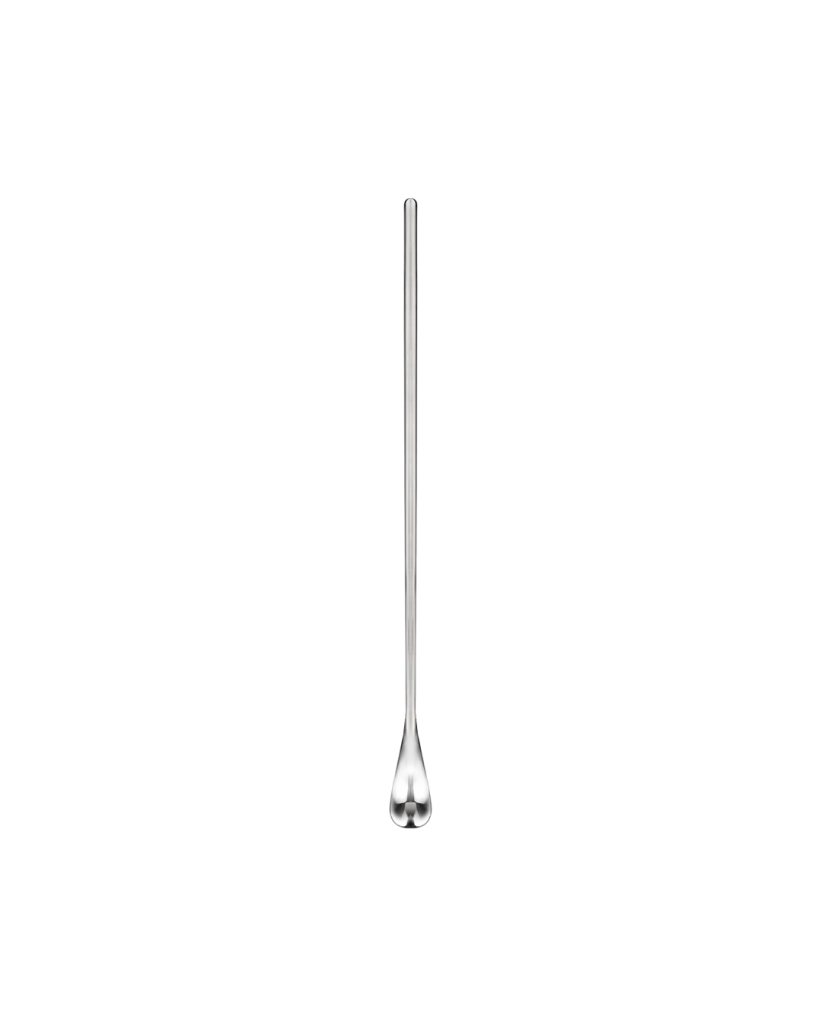
A gentle lift with a bar spoon or a careful stir is generally enough to bring the ingredients together.
The objective is to combine the gin and tonic without unnecessarily losing the fizz that makes the drink refreshing.
Keep the Garnish Simple
Garnishes can add aroma and visual appeal, but more is not necessarily better.
A slice of citrus, a peel or another simple garnish can complement a gin and tonic without overwhelming it.
The choice should make sense with the drink rather than simply making the glass look elaborate.
It is also worth remembering that garnish contributes aroma as well as flavour. Expressing the oils from a citrus peel over the surface of the drink, for example, can change what you notice before you even take a sip.
Try the Gin Neat First
If you have purchased a bottle that you have never tried before, consider tasting a small amount of the gin on its own.
This can help you understand its character before adding tonic or other ingredients.
You do not need a formal tasting setup. A small pour in a suitable glass is enough to notice the aroma and general character of the spirit.
Once you know what the gin tastes like by itself, you can decide whether you want a stronger or lighter tonic serve.
This is particularly useful when exploring different London Dry Gins because the category includes a range of styles and flavour profiles.
Don’t Overcomplicate the Cocktail
A gin and tonic is often at its best when it remains recognisable as a gin and tonic.
That does not mean you cannot experiment. Different tonics, garnishes and proportions can produce noticeably different drinks.
But adding too many ingredients can make it difficult to understand what each component is contributing.
If the purpose is to appreciate a particular London Dry Gin, simplicity can actually be more interesting.
Enjoying London Dry Gin at Home
Serving gin well at home is less about having specialist equipment and more about paying attention to the details.
Start with the gin. Chill the glass with plenty of ice. Choose a tonic that complements rather than overwhelms it. Add the tonic gently, use a simple garnish if appropriate, and adjust the proportions according to your own taste.
For anyone looking to buy London Dry Gin in Singapore, understanding how to serve it can make the experience of exploring different bottles much more rewarding.
There is no need to follow an elaborate ritual. A good glass, good ice, a suitable tonic and a little attention to balance can be enough to turn a bottle of London Dry Gin into a simple, enjoyable drink at home.
Want to try these steps with a new bottle? Explore Mystique Gin, made in the United Kingdom, and start with a small pour neat.
Frequently Asked Questions
What is the best gin to tonic ratio?
There is no single rule, but 1 part gin to 2 or 3 parts tonic is a common starting point. Use less tonic for a more gin-forward drink and more for a longer, lighter serve, then adjust to taste.
What glass is best for a gin and tonic?
A balloon (copa) glass or a tall highball both work well. What matters most is having enough room for plenty of ice, the gin, the tonic and a garnish.
Should gin be kept in the fridge?
It is not necessary. Gin keeps well at room temperature when stored upright and away from direct sunlight. Chilling the bottle or the glass can help keep the drink colder for longer in Singapore’s warm climate.