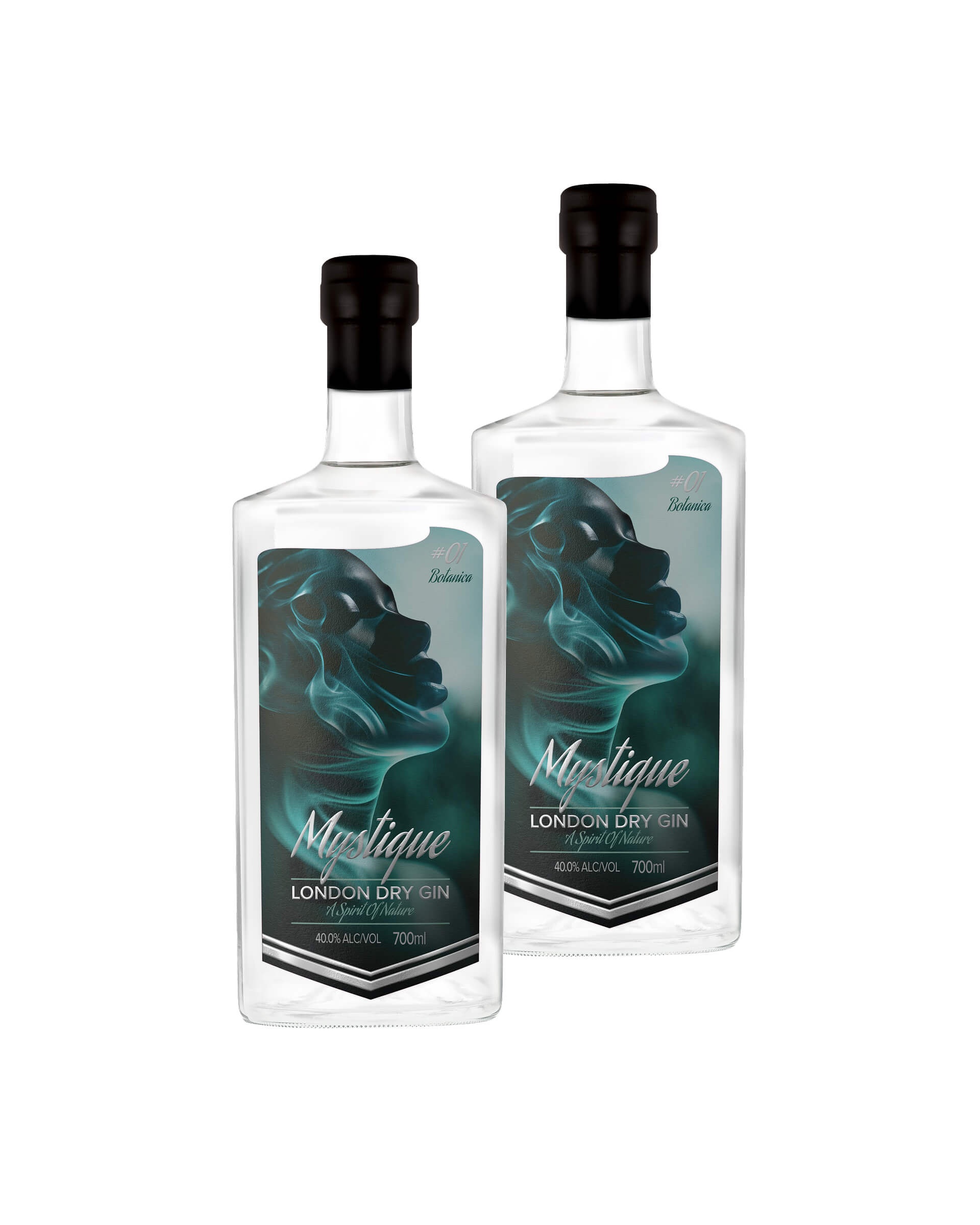
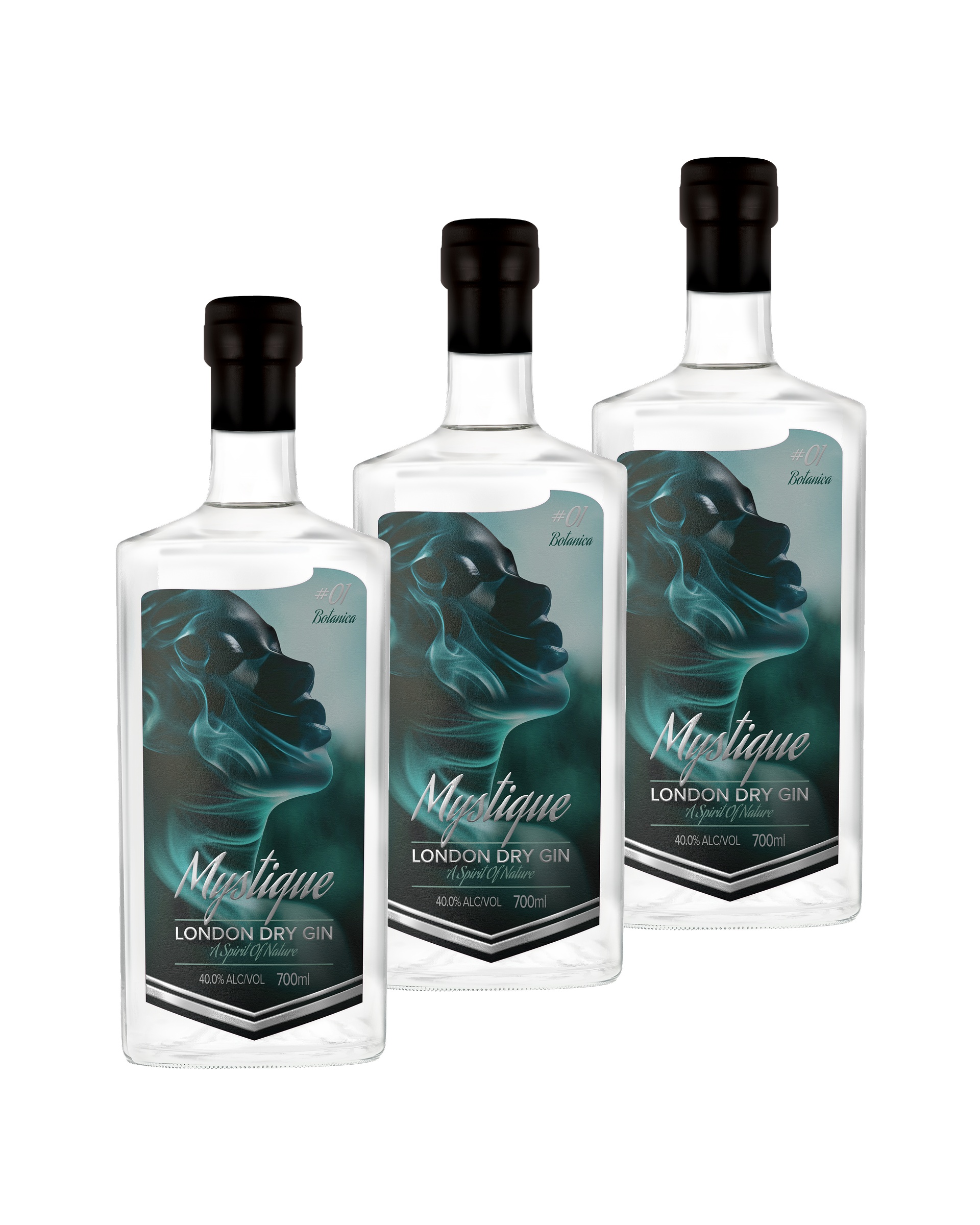
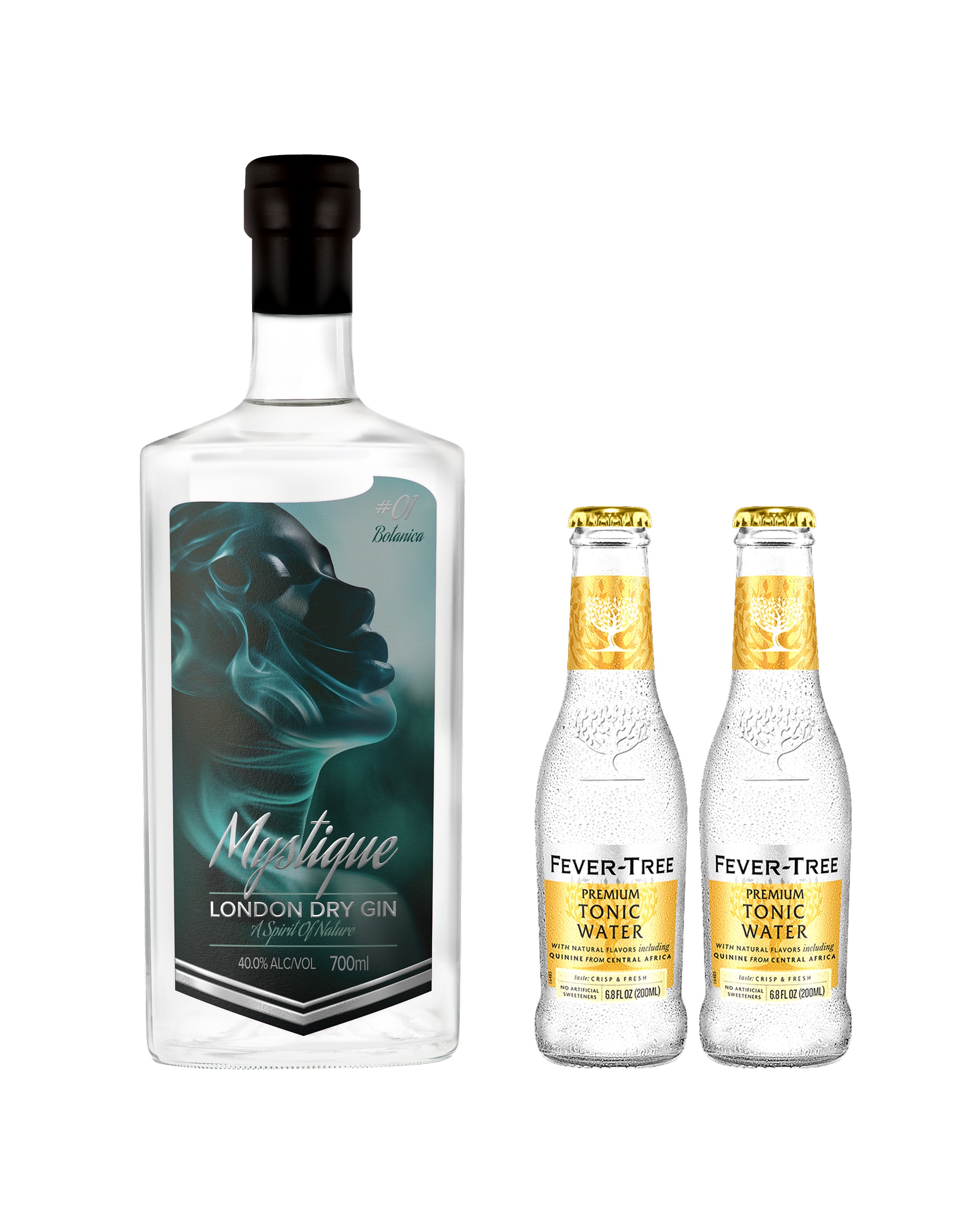
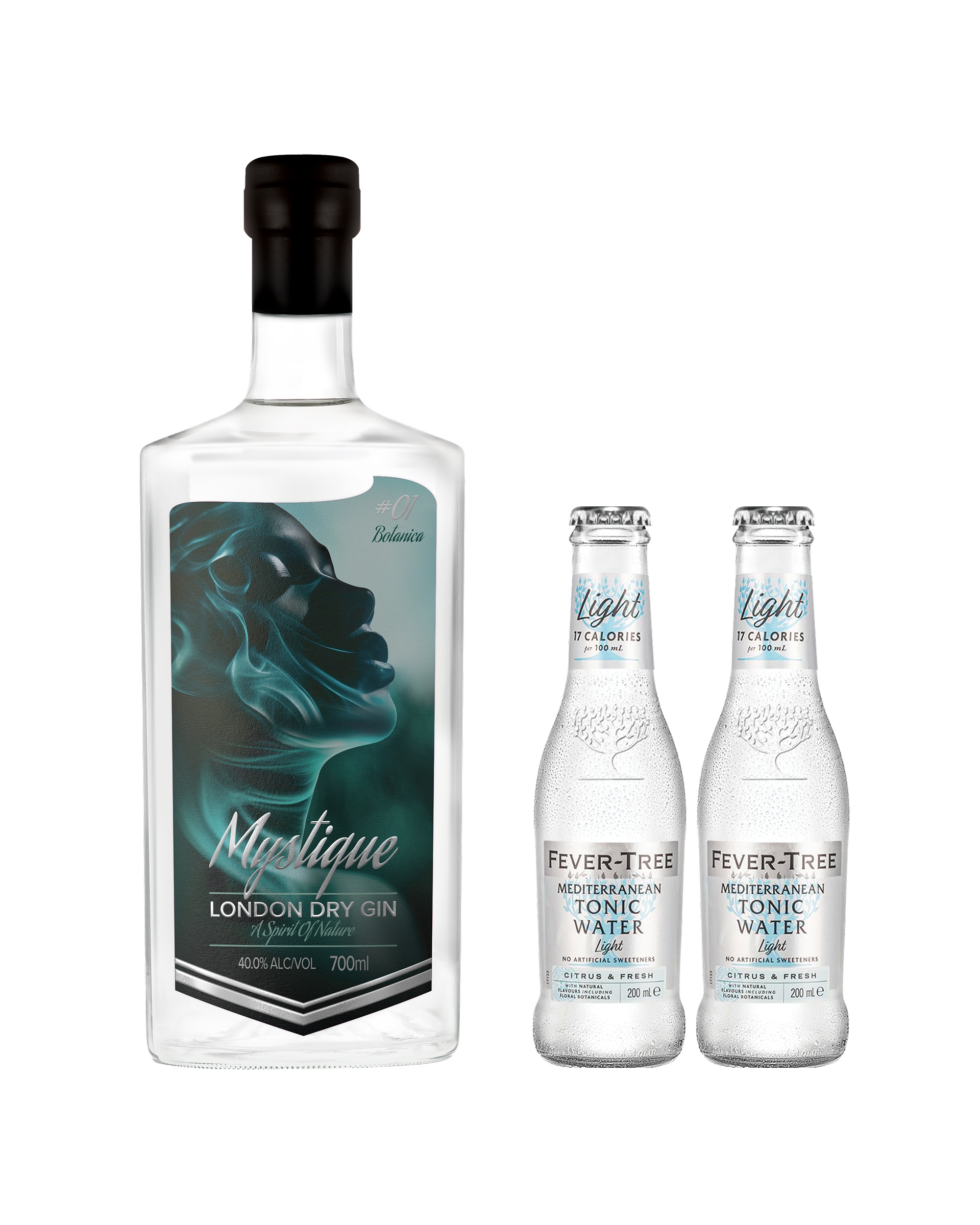
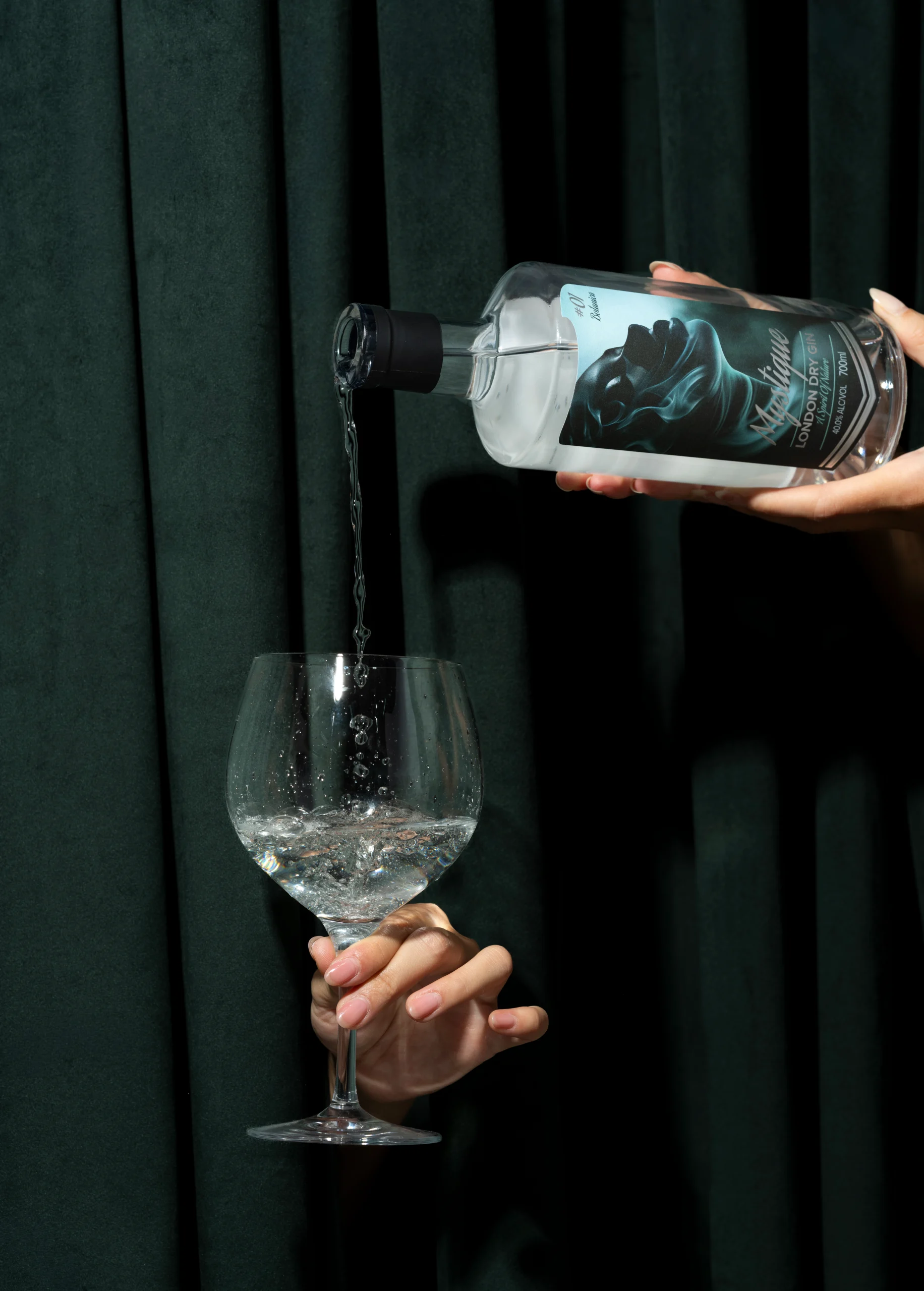
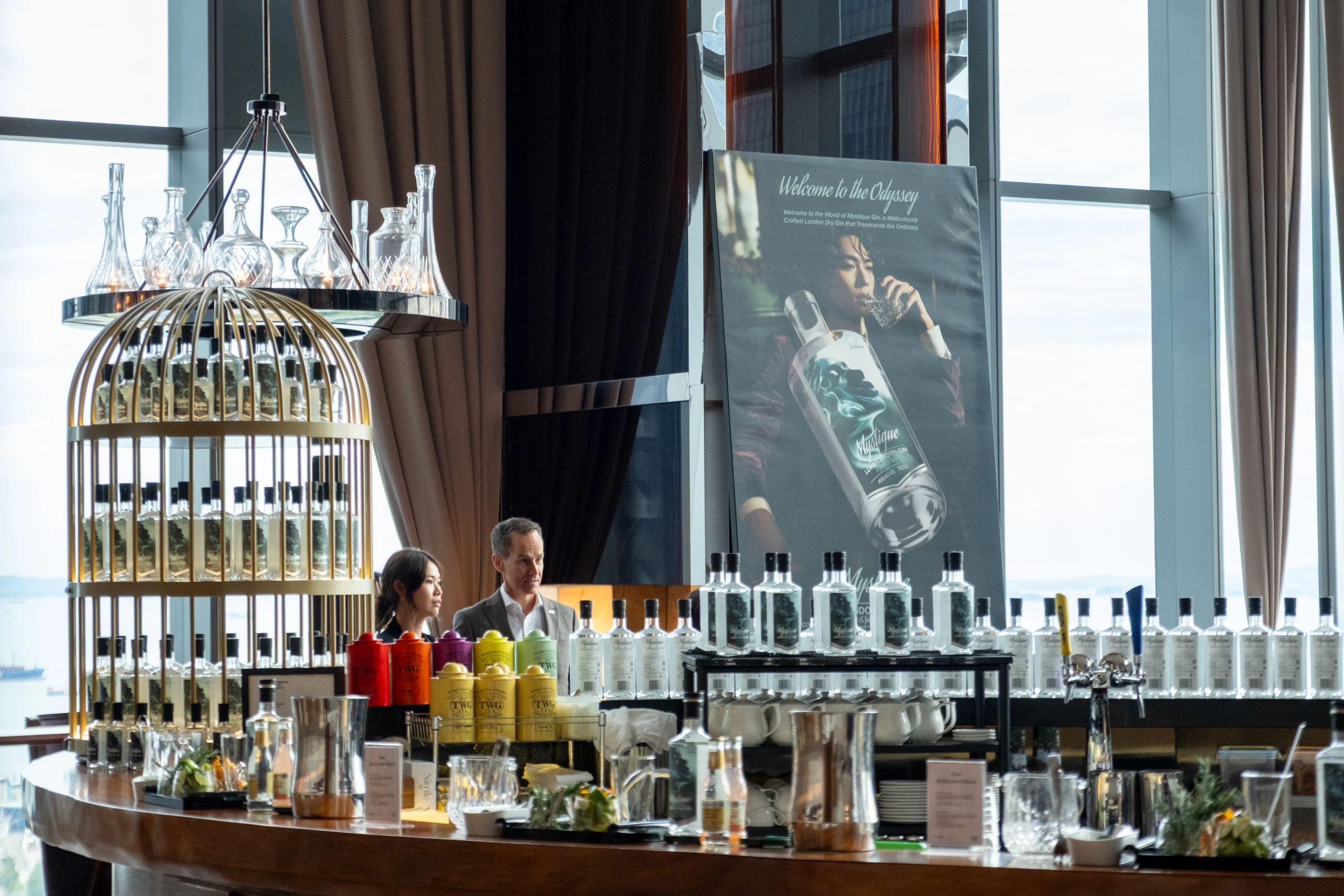
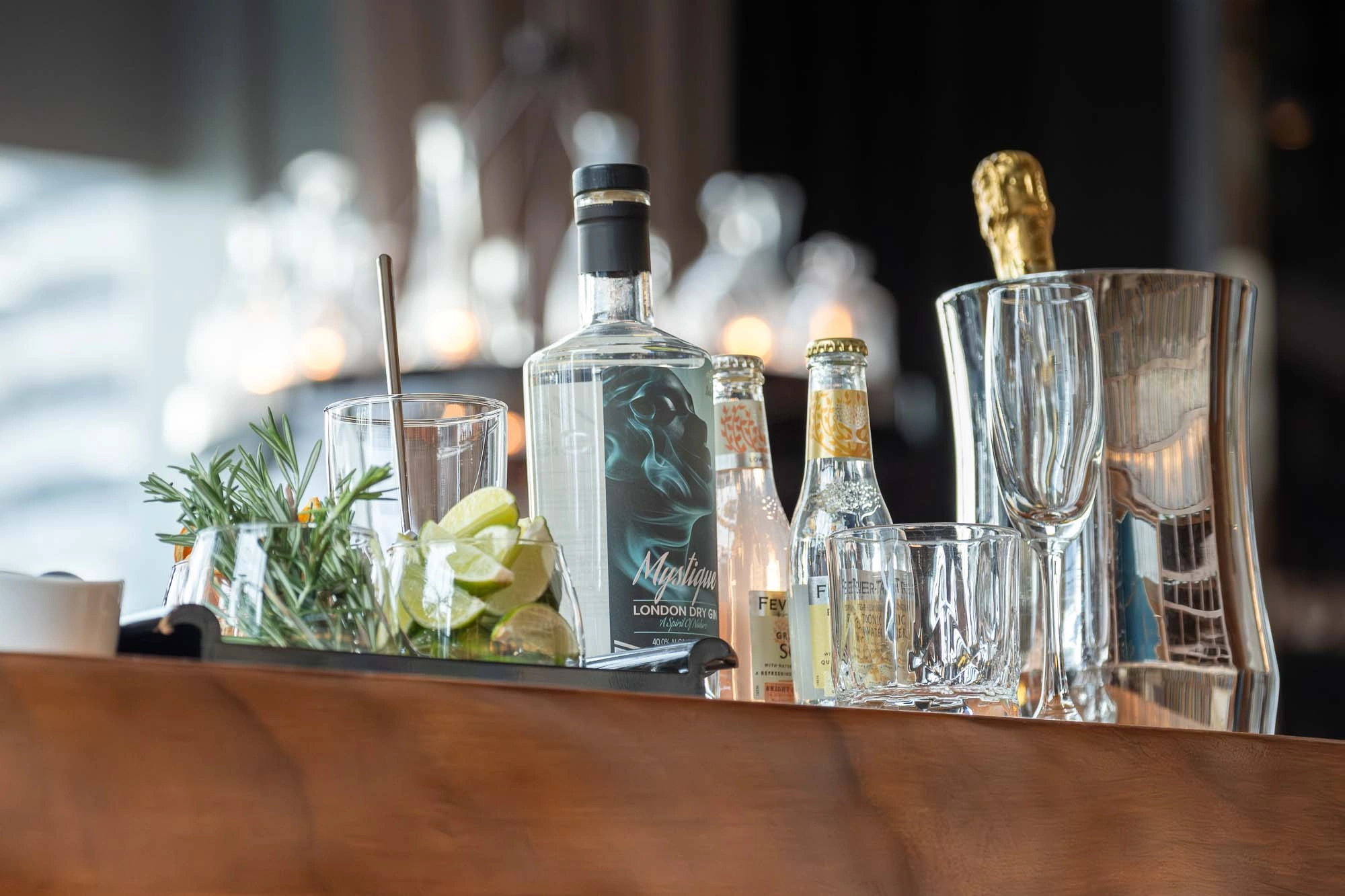
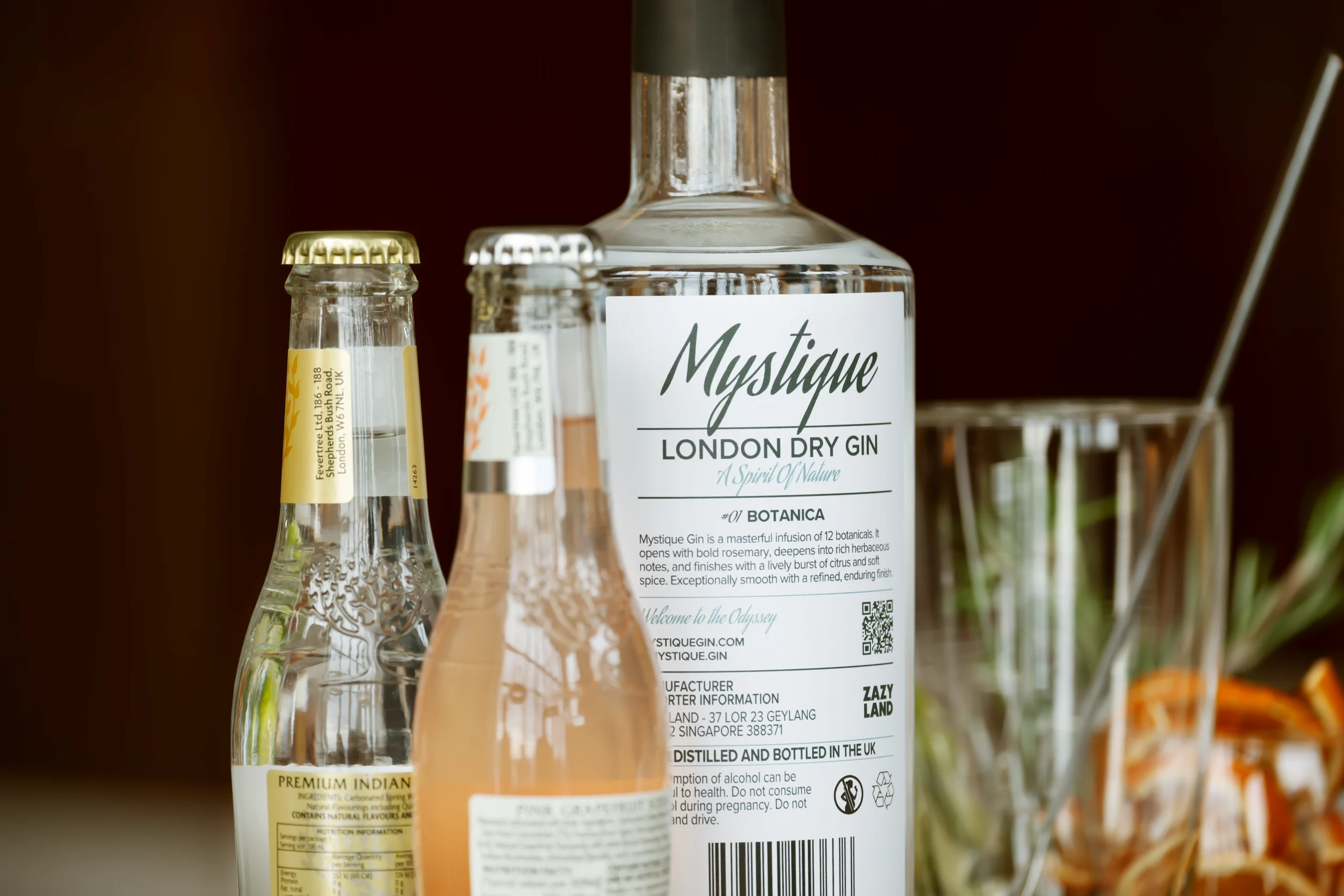
Buying a bottle of gin can sometimes feel surprisingly complicated. There may be several bottles on the shelf that look similar, yet each can have a different style, origin, botanical profile and intended way of serving.
For someone looking to buy gin in Singapore, the label is often the simplest place to start. It contains information that can help explain what is inside the bottle and, just as importantly, what kind of drinking experience you might expect from it.
Rather than choosing a bottle only because of its packaging or a familiar name, taking a few moments to read the label can make the decision much easier.
Start With the Gin Style: London Dry, Craft or Contemporary
One of the first things worth looking for is the style of gin.
London Dry Gin, for example, is a recognised style with particular production characteristics. Despite its name, it does not mean that the gin has to be produced in London. The term refers to the style and method of production rather than simply the location where the bottle was made.
Other bottles may use terms such as craft gin or contemporary gin. These descriptions can provide some context, but they should not be treated as a guarantee of a particular flavour or quality.
Understanding the style gives you a useful starting point before looking at the rest of the label.
Look at Where the Gin Is Made
The country of origin can tell you something about the producer and the traditions or production approach behind the bottle.
For Singapore shoppers, this can be particularly useful because the gin available locally may come from producers in different parts of the world.
The place of production is therefore worth checking rather than assuming that a gin’s branding tells you where it was made.
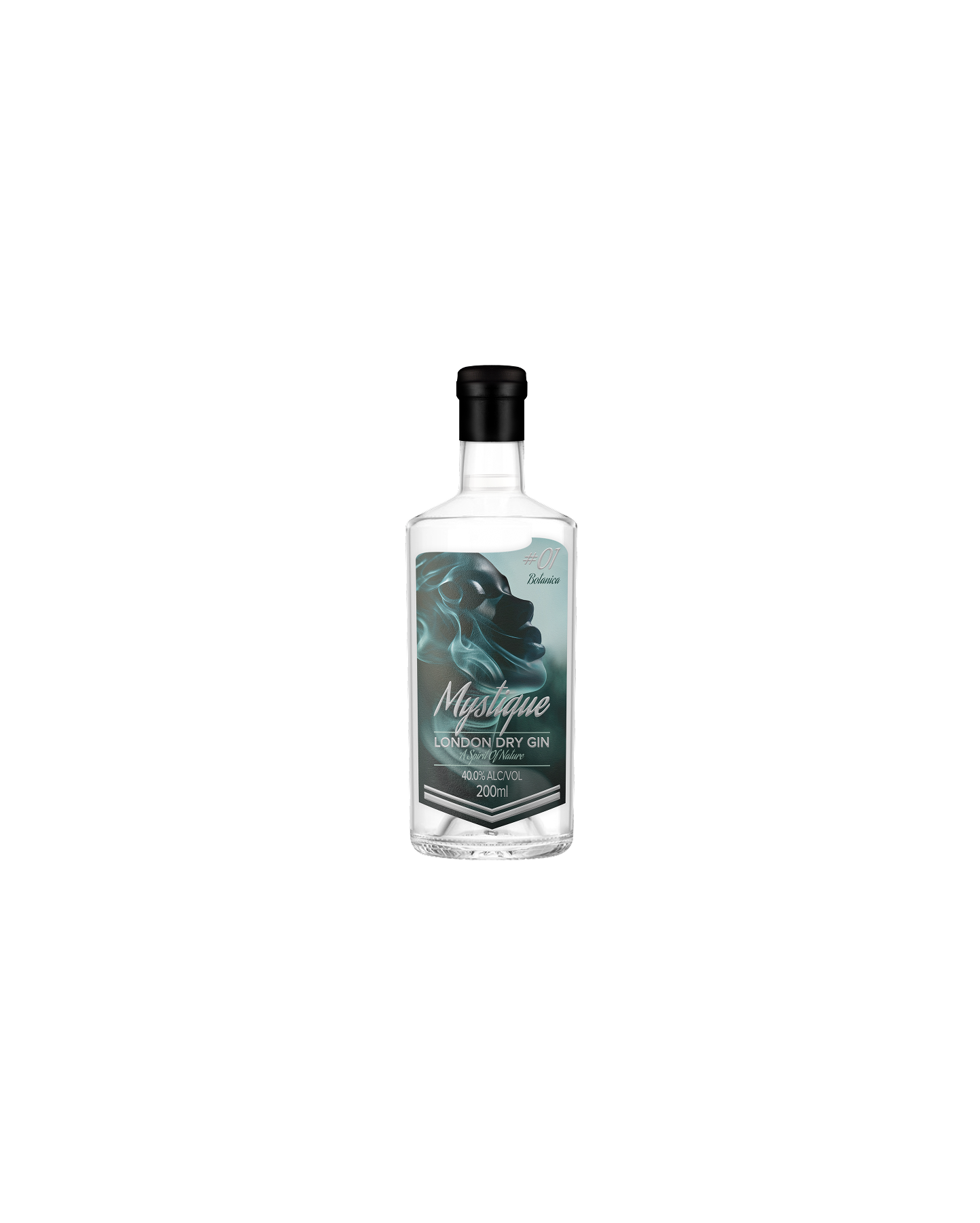
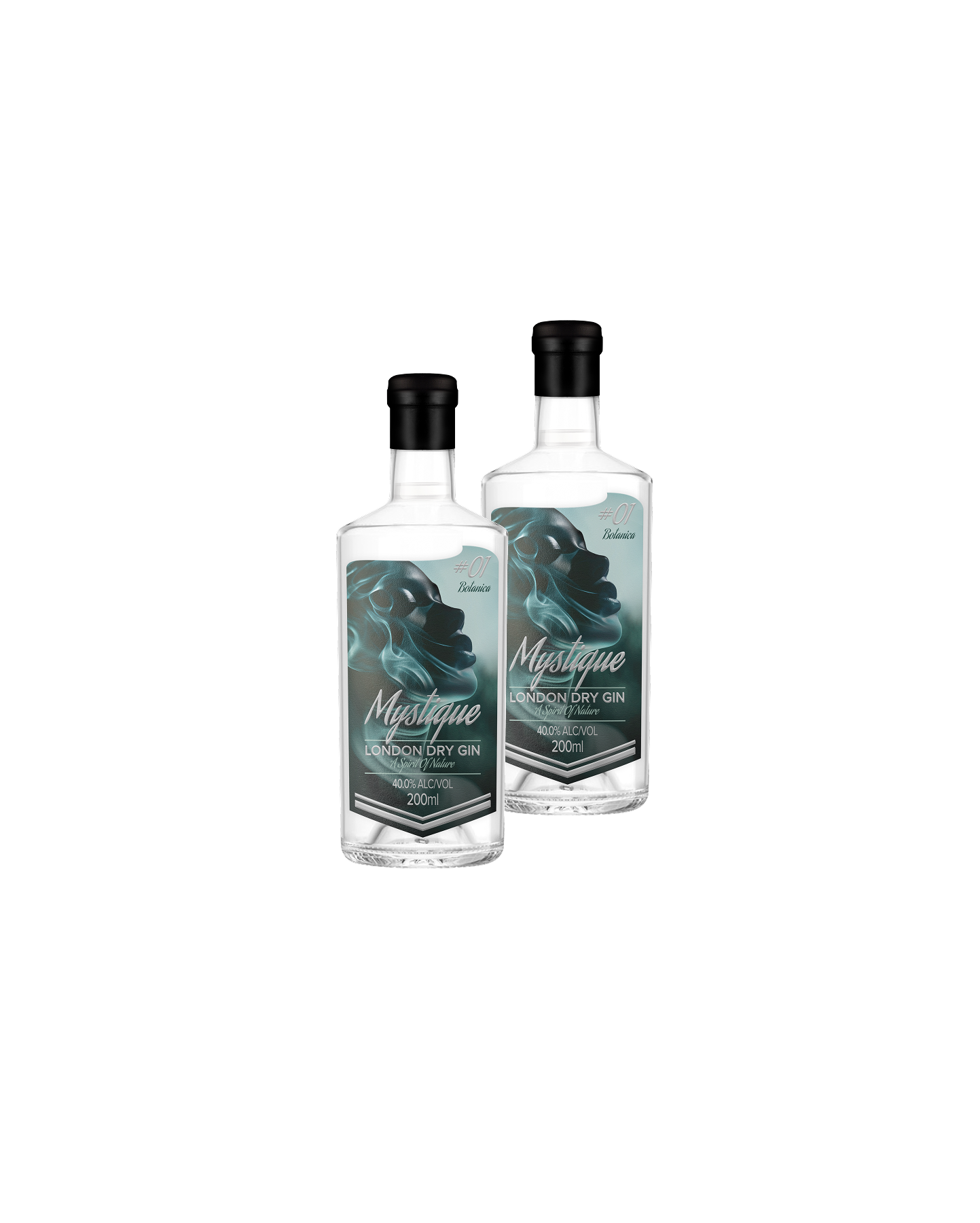
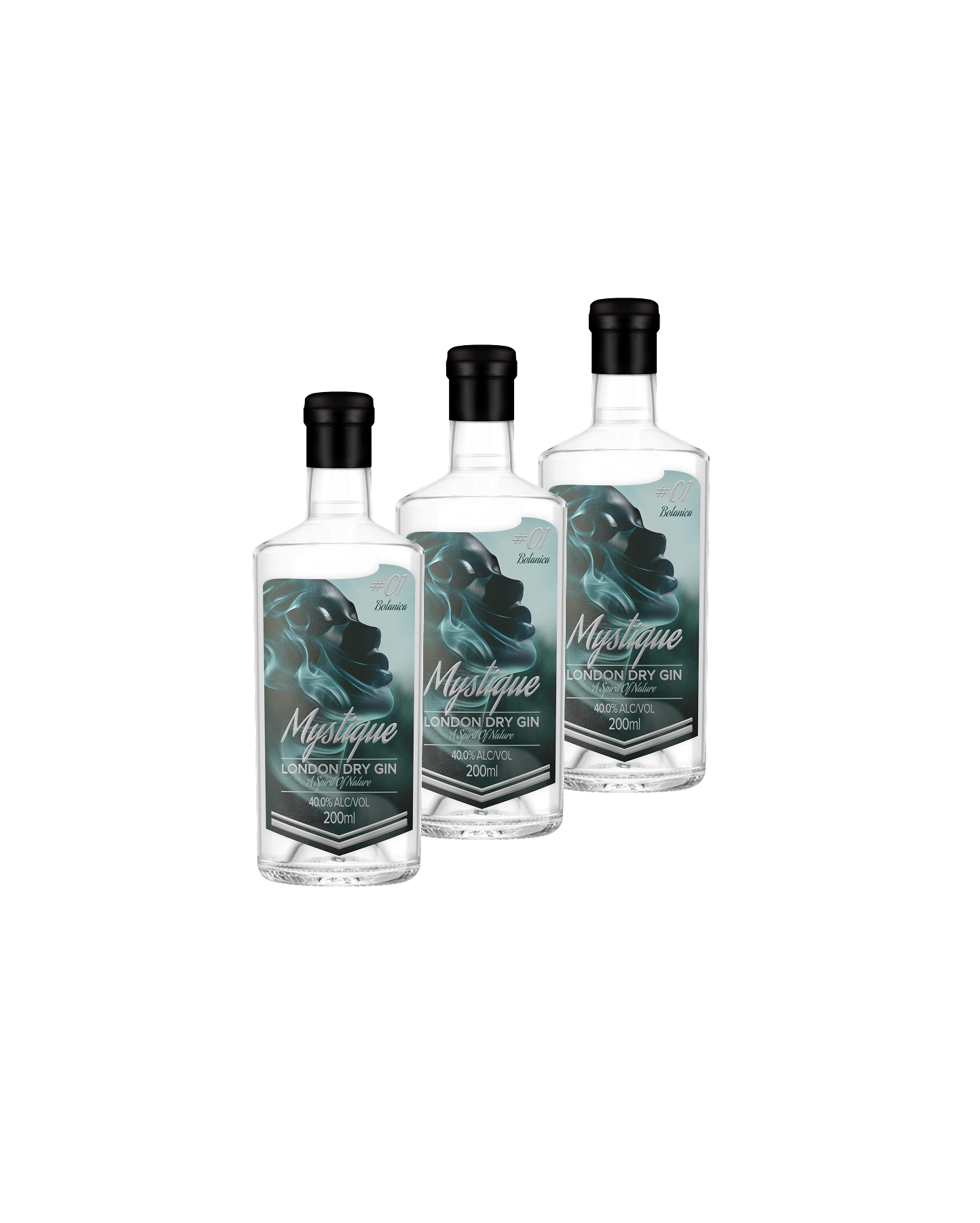
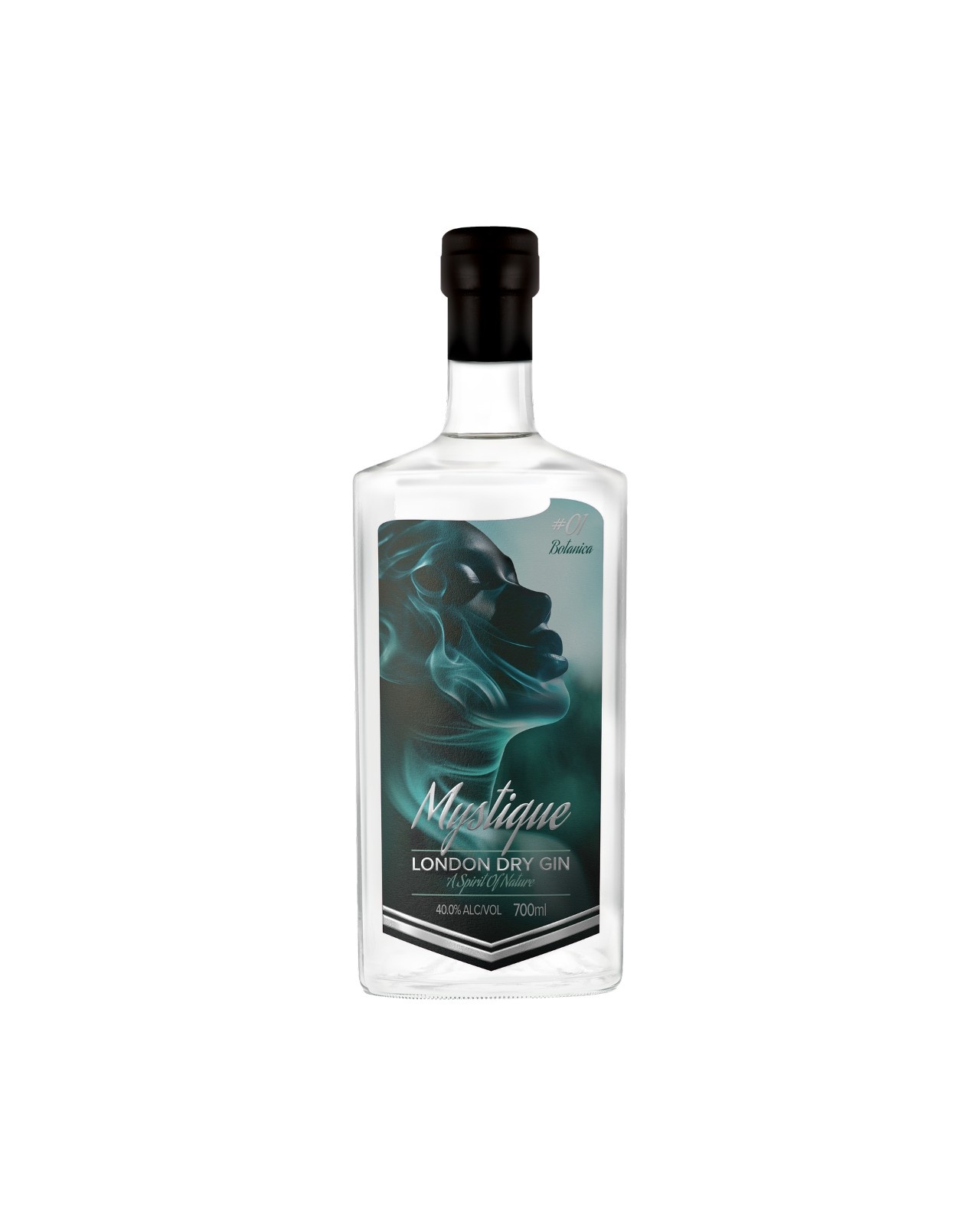
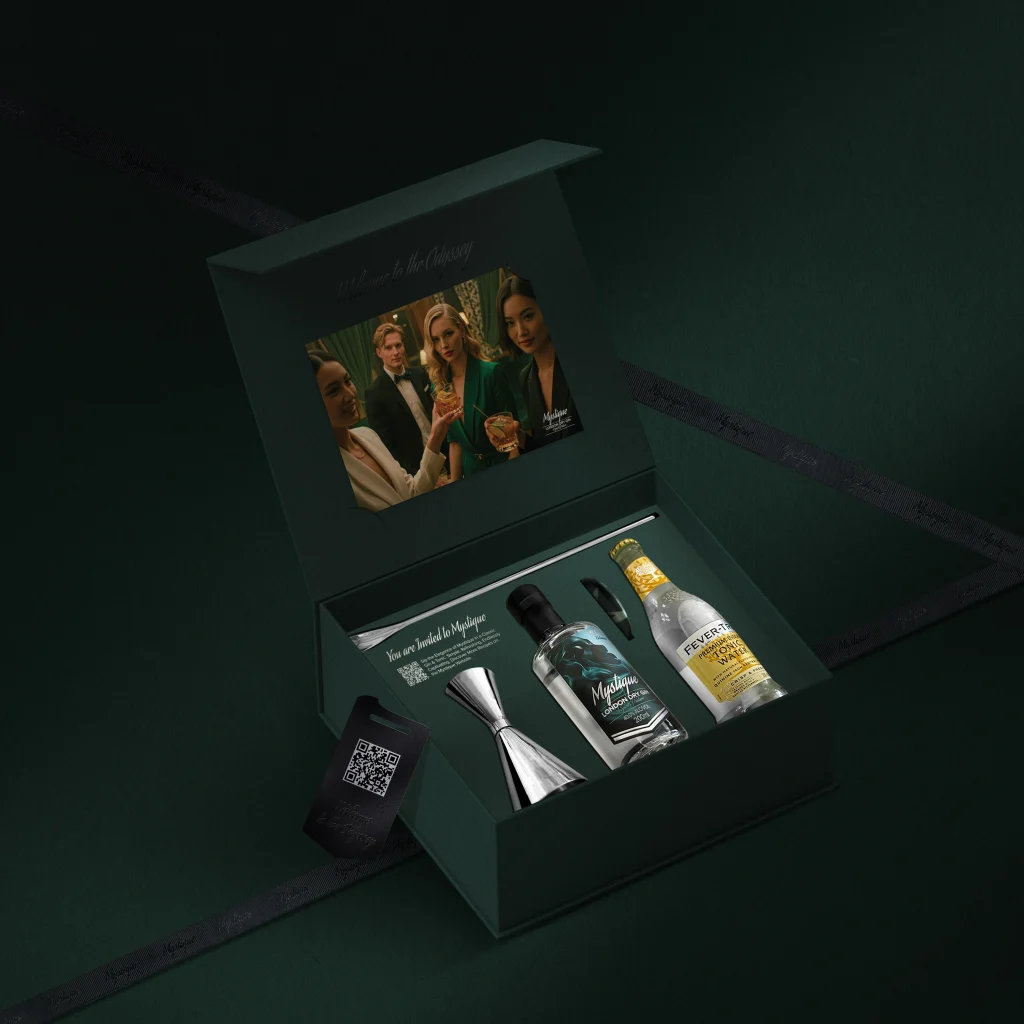
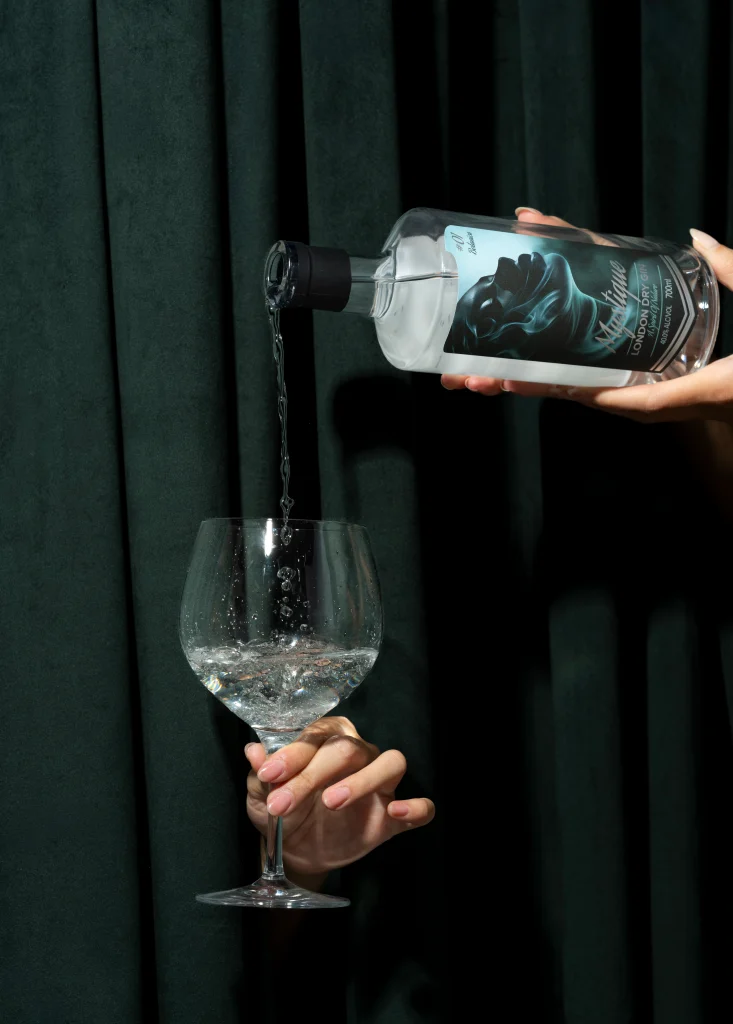
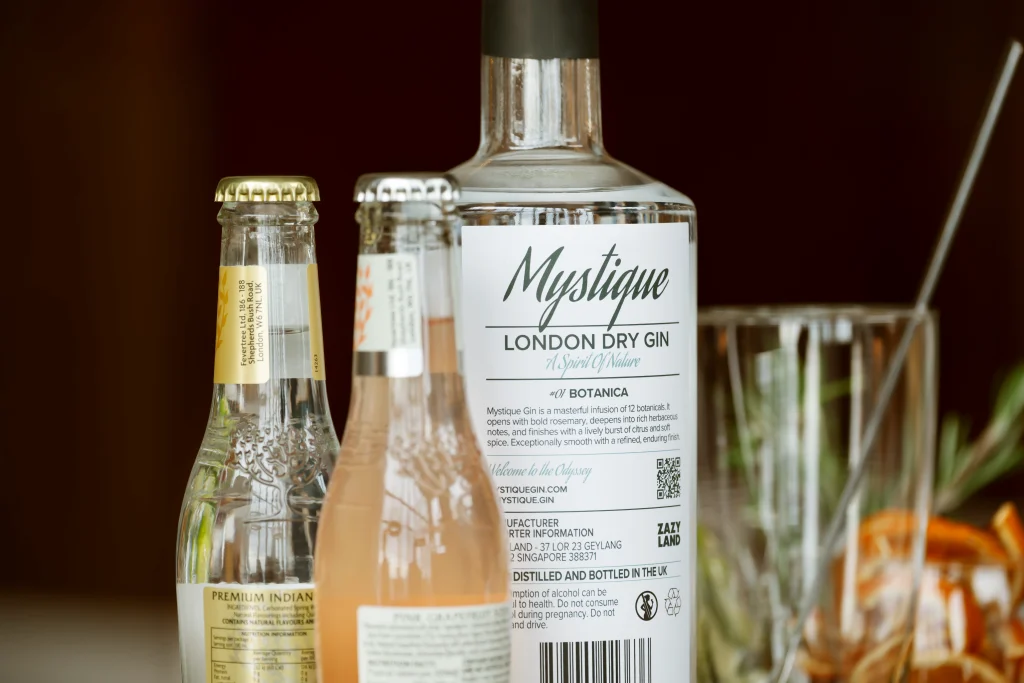
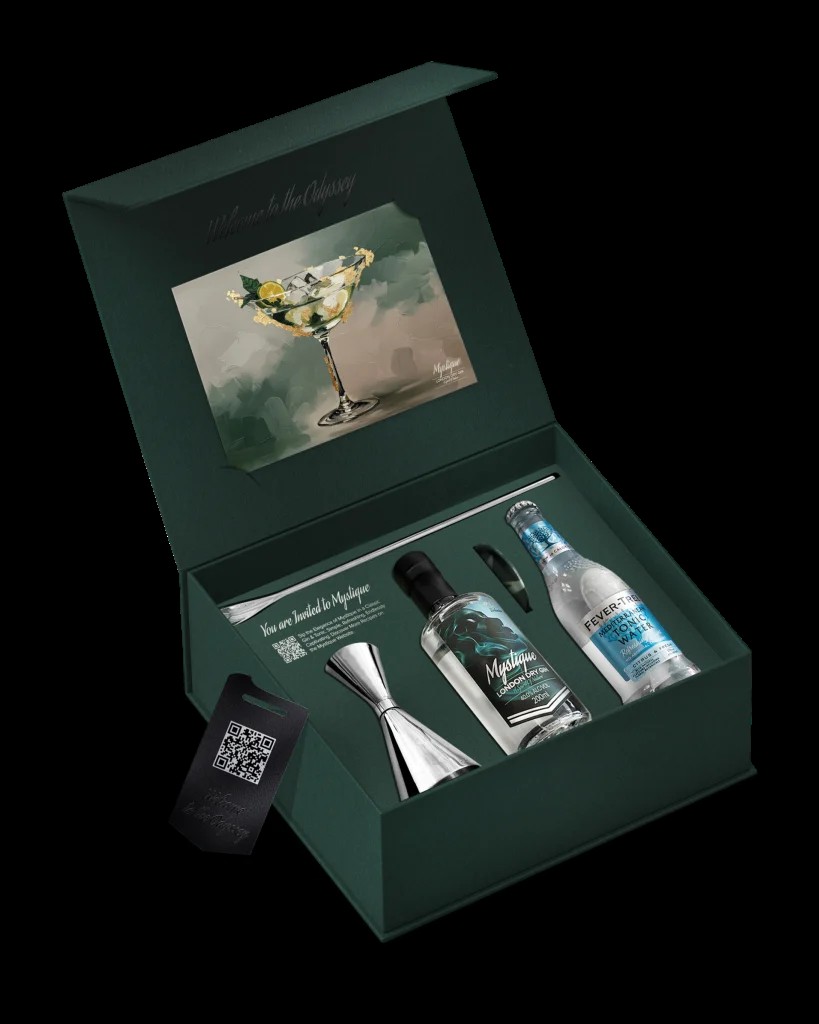
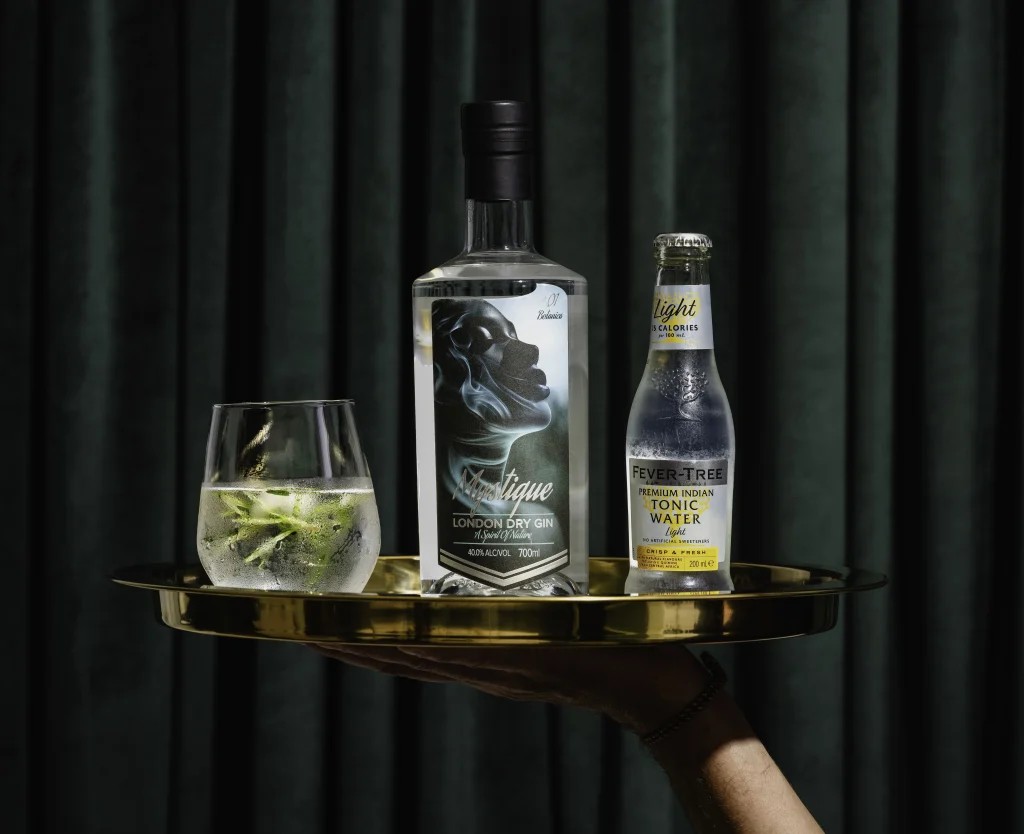
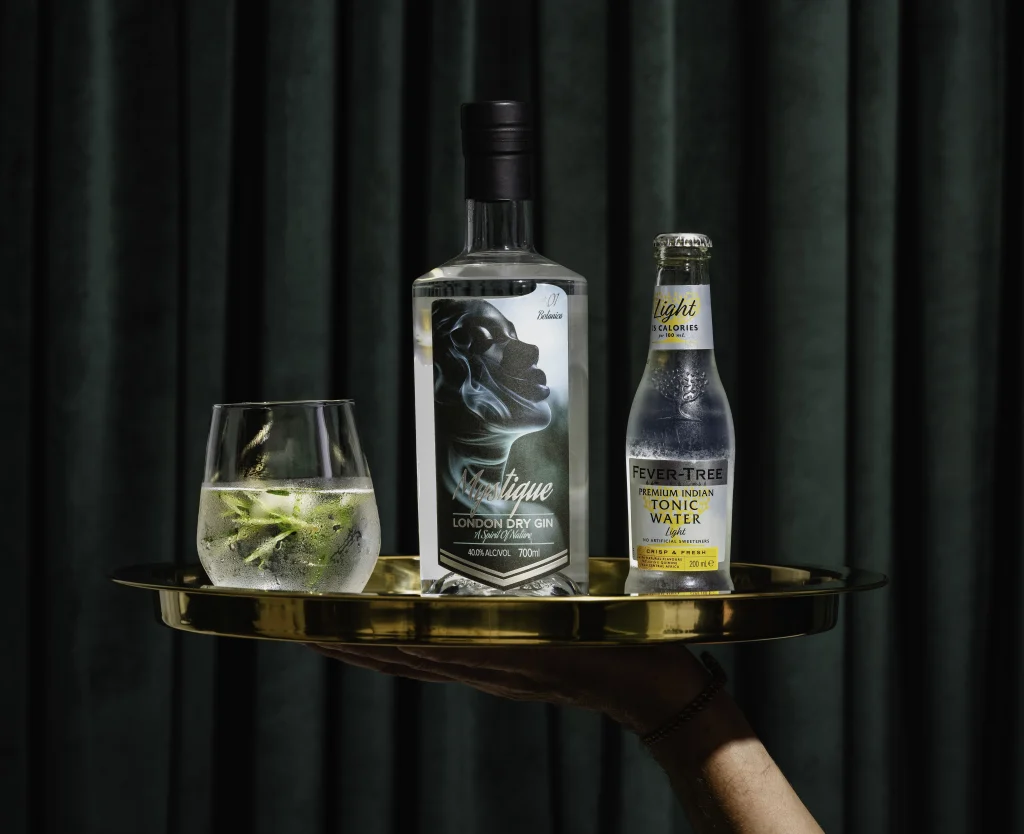
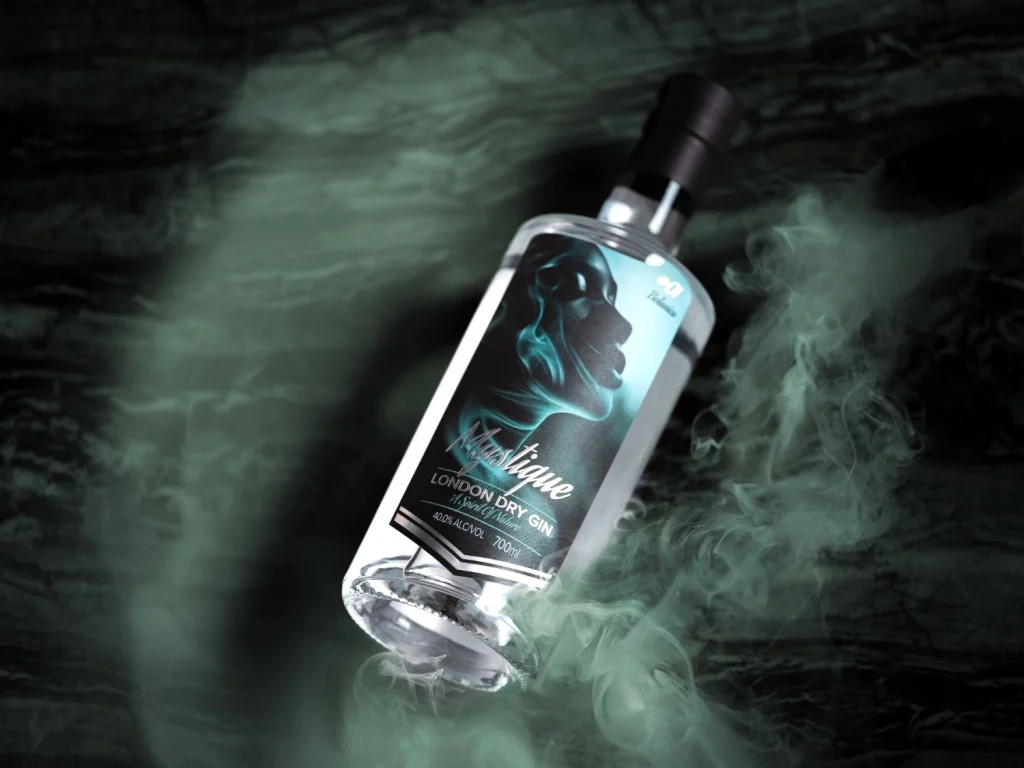
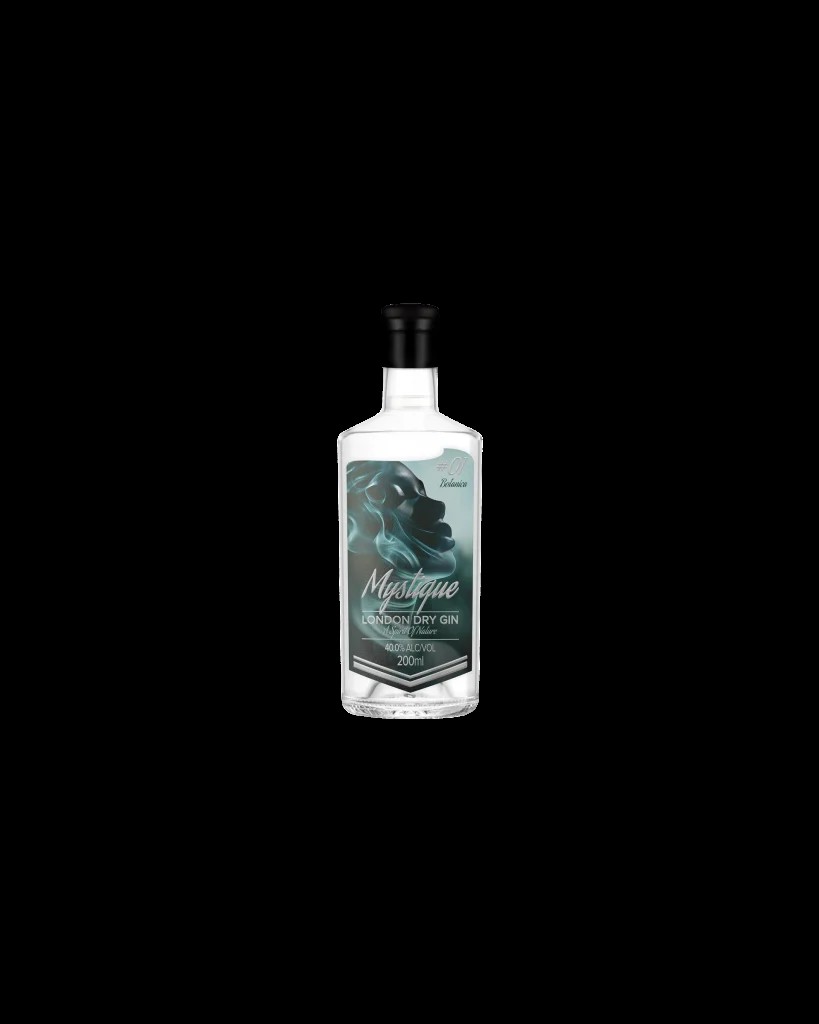
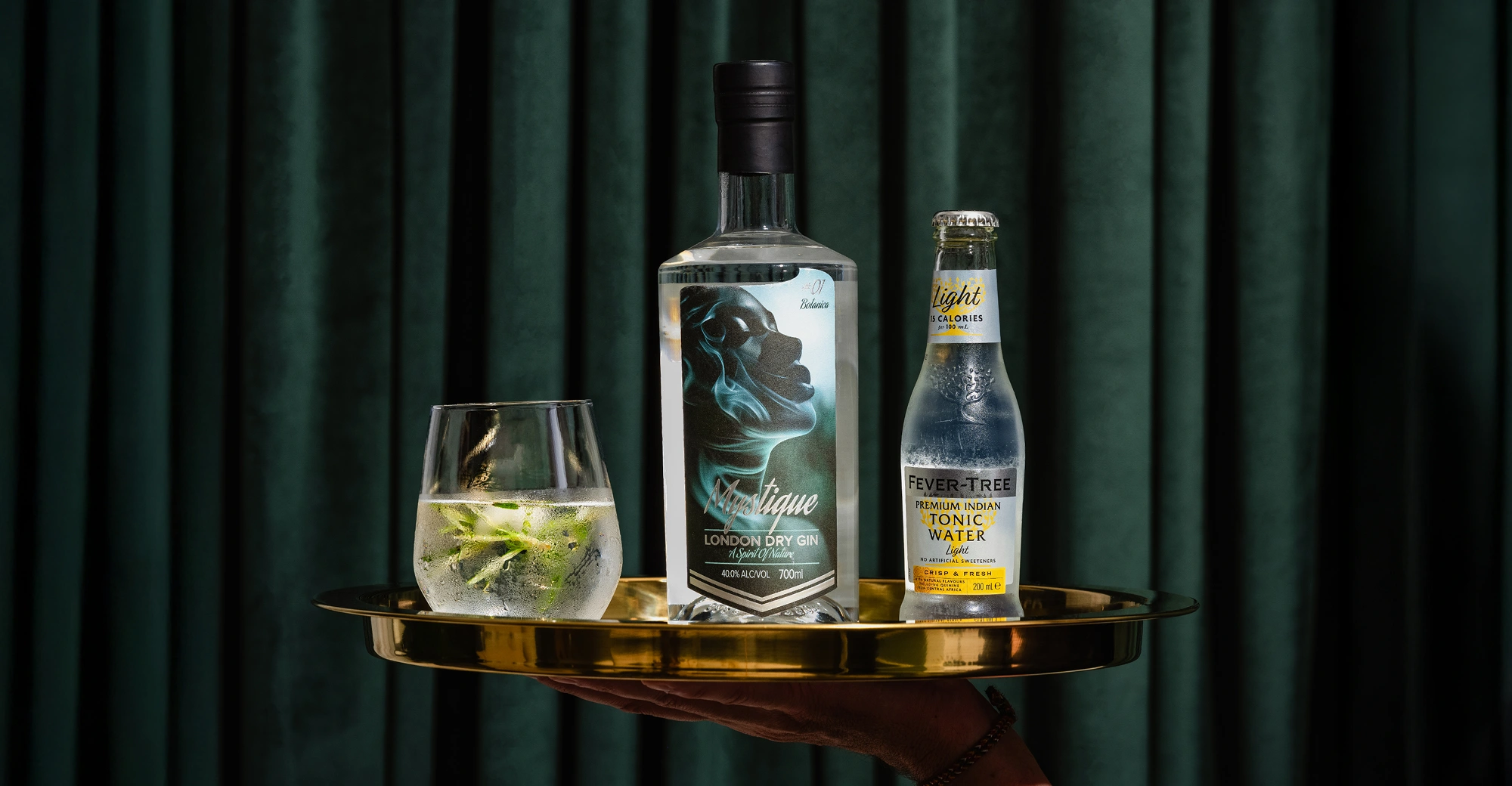
For example, Mystique Gin is made in the United Kingdom, and that information forms part of the product’s identity.
Origin, however, is only one piece of the picture. Two gins produced in the same country can still taste very different.
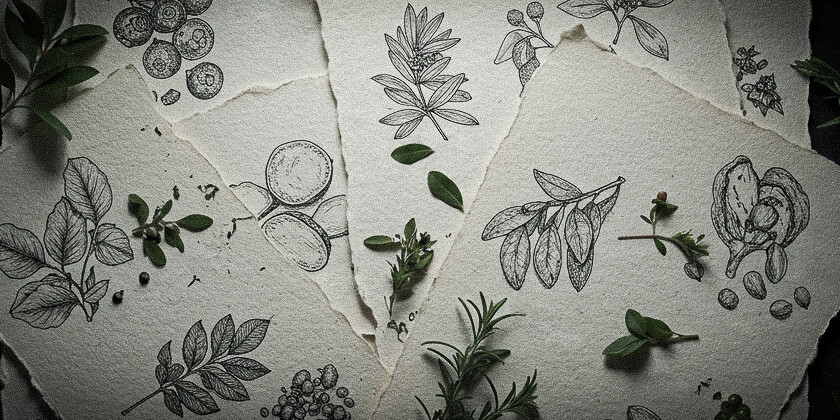
Pay Attention to the Gin Botanicals
Gin is defined by the use of botanicals during production, with juniper playing a central role.
Some labels provide additional information about the botanicals used, while others keep the description relatively simple. When this information is available, it can give you an indication of the flavours and aromas you might encounter.
Citrus, spices, herbs and other botanicals can contribute different characteristics to a gin.
It is worth remembering that a list of botanicals does not necessarily tell you exactly how the finished gin will taste. The proportions, production method and interaction between the ingredients all influence the final character.
Still, the information can be useful when comparing different bottles.
Check the Alcohol by Volume (ABV)
The alcohol by volume, or ABV, tells you the percentage of alcohol in the bottle.
It is usually displayed clearly on the front or back label. While ABV alone does not determine whether a gin is right for you, it is useful information when considering how you intend to serve it.
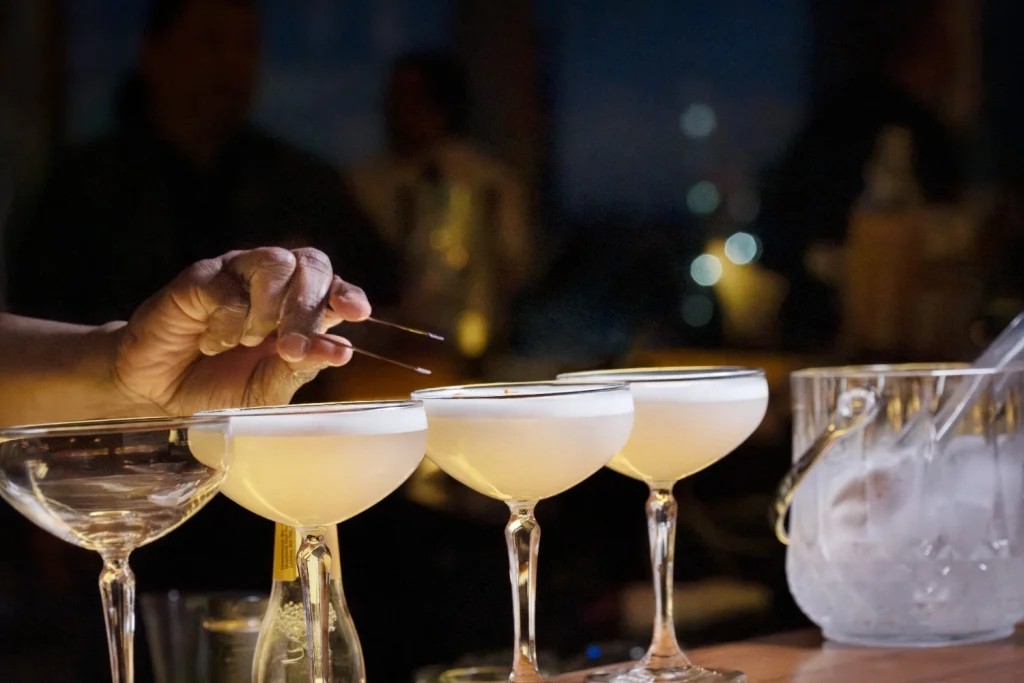
A gin served neat, with tonic or as part of a cocktail may offer a different experience depending on the overall balance of the drink.
Checking the ABV is therefore a simple step that should not be overlooked when purchasing gin.
Read the Producer’s Description Carefully
Many gin labels include a short description from the producer.
This may explain the inspiration behind the gin, its production process, the botanicals used or the way the producer recommends serving it.
These descriptions can be useful, but they are also part of the brand’s storytelling. Reading them alongside the factual information on the label gives you a more complete picture.
If you are unfamiliar with a particular gin, look for specific information rather than relying only on broad words such as “premium,” “handcrafted” or “luxury.”
The more concrete the information, the easier it is to understand what you are actually buying.
Think About How You Plan to Drink It
The best bottle for one person may not be the right bottle for another.
Someone who enjoys a classic gin and tonic may approach a bottle differently from someone who prefers cocktails. Another drinker may enjoy tasting gin on its own to understand its character.
This is why reading the label should ultimately connect back to how you intend to enjoy the gin.
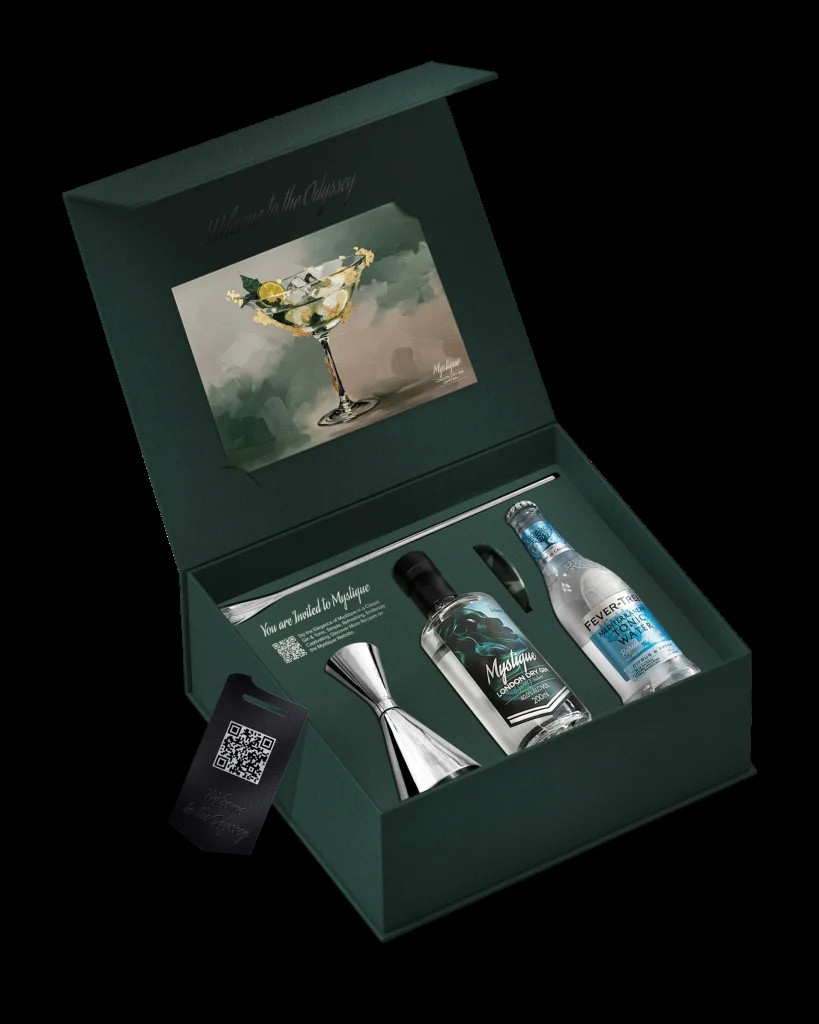
Serving suggestions provided by the producer can offer a useful starting point. They may also give you ideas about mixers, garnishes or cocktails that suit the particular style.
Look Beyond the Bottle Design
Gin producers put considerable thought into packaging, and a well-designed bottle can certainly catch the eye.
But appearance does not tell you everything about what is inside.
When choosing a gin, the label can provide much more useful information than the bottle design alone. Style, origin, ABV, botanical information and serving suggestions can help you make a more informed decision.
This is particularly useful when browsing several options online, where the label information may be one of the main sources of product detail available before purchase.
A Label Is a Starting Point, Not the Whole Story
Reading a gin label will not tell you everything about a bottle. Taste is subjective, and the same botanical combination can be experienced differently by different people.
What the label can do is give you a clearer starting point.
For anyone looking to buy gin in Singapore, understanding the information on a bottle can make the selection process less about attractive packaging or unfamiliar terminology and more about finding a gin that matches your preferences.
Once you understand the style, origin, botanical information, ABV and suggested serves, you have a much better sense of what you are considering.
And that small habit—taking a little time to read before buying—can make exploring gin a much more interesting experience.
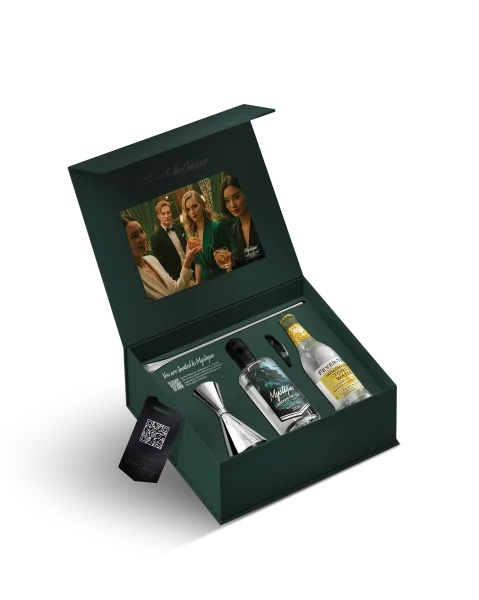
Ready to put it into practice? Explore Mystique Gin, made in the United Kingdom, and read the label for yourself.
Frequently Asked Questions
What does “London Dry Gin” mean on a label?
London Dry Gin is a style defined by how it is made, not where. It must get its flavour through distillation with natural botanicals, with juniper predominant, and cannot have colouring or more than a trace of sweetener added afterwards. It can be produced anywhere in the world.
What ABV is gin usually?
Most gins are bottled at around 37.5% to 47% ABV. In the UK and EU, 37.5% is the legal minimum for gin, while higher-strength “navy strength” gins are bottled at around 57%.
What is the most important botanical in gin?
Juniper. It is the defining botanical and must give gin its predominant flavour. Other botanicals such as citrus peel, coriander seed, angelica root and spices shape each gin’s individual character.